Manhattan vs Martini: A Taste Profile Showdown
The Basic Tastes
- Manhattan: Known for its sweetness from the Vermouth, bitterness from the Angostura bitters, and the umami notes from the whiskey.
- Martini: A martini is defined by its sourness from the lemon twist, umami from the gin, and bitterness from the vermouth. A hint of saltiness can also be detected from the olives.
Other Taste Profile Factors
- Manhattan: A Manhattan cocktail is warm and has a full-bodied mouthfeel. The aftertaste is slightly bitter and aromatic due to the bitters and whiskey.
- Martini: Martini offers a cool temperature, smooth texture, and a dry mouthfeel. The aftertaste is crisp with a lingering tanginess from the lemon twist and gin.
Considerations
| Manhattan | Martini | |
|---|---|---|
| Balance | Perfectly balanced between sweet and bitter. | Leans towards sour and bitter. |
| Harmony | Complex harmony of whiskey, vermouth, and bitters. | Simple harmony of gin and vermouth. |
| Complexity | High complexity due to the mix of ingredients. | Low complexity with fewer ingredients. |
| Intensity | Moderate intensity with a rich flavor profile. | High intensity due to the strong flavor of gin. |
| Contrast | Sweet and bitter contrast. | Sour and bitter contrast. |
💡 While the Manhattan offers a complex and warm flavor profile, the Martini stands out with its simple, crisp, and cool taste. The choice between Manhattan and Martini ultimately lies in one’s preference for complexity and temperature in their cocktail.
Manhattan vs Martini: A Comprehensive Guide to Barware and Glassware
Mixing & Preparation
- Manhattan utilizes a mixing glass, bar spoon, and a jigger in its preparation. Ice is also essential, with the use of an ice crusher or ice molds to achieve the perfect chill.
- Martini requires a cocktail shaker, bar spoon, muddler, and a jigger. Similar to the Manhattan, ice plays a critical role, necessitating the use of an ice crusher or molds.
Serving & Presentation
- A Manhattan is traditionally served in a lowball glass, with the option of a cocktail glass. Garnishing is key to the final presentation, often requiring a garnish tray and coasters.
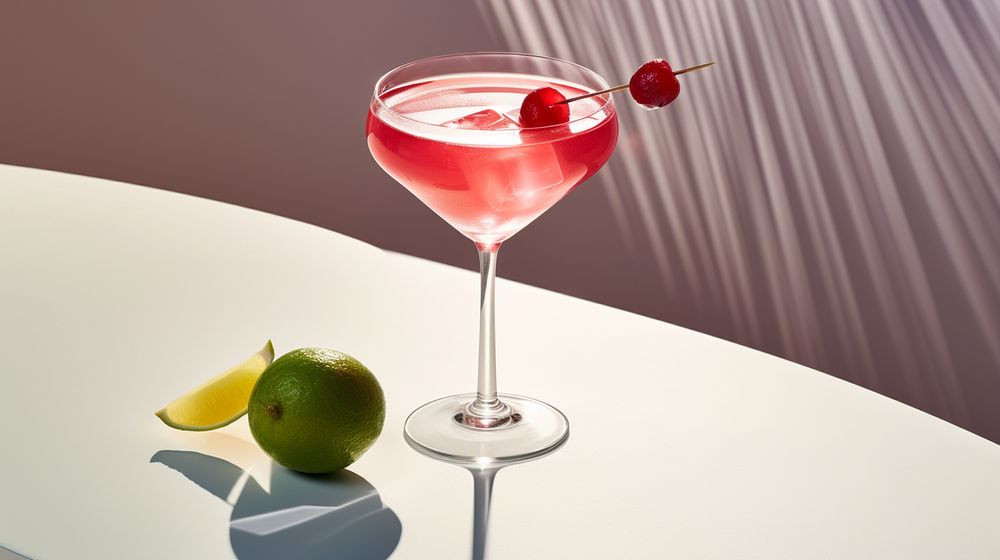
- A Martini, on the other hand, is typically presented in a cocktail glass, with a garnish tray for those olives or lemon twists. Coasters add a touch of sophistication to the service.
Storage & Organization
- Both the Manhattan and the Martini need efficient storage and organization for their ingredients. This includes an ice bucket & tongs, bottle opener & corkscrew, speed pourers, and liquor pour spouts. A bar mat and a bar roll or tool bag can help keep everything in order.
Garnishing & Fine Detailing
- For the Manhattan, a cutting board & knife, peeler & zester, channel knife, and citrus juicer are necessary for preparing the garnish.
- For the Martini, these tools are equally important, with an added emphasis on the atomizer for that spritz of vermouth and the bitters bottle.
Preservation & Enhancement
- While the Manhattan doesn’t require much in terms of preservation, a wine aerator can enhance the flavors of the whiskey.
- For the Martini, a wine preserver can help keep the vermouth fresh, while a decanter can open up and soften the gin.
💡 Although both cocktails require similar barware and glassware, it’s the subtle differences in preparation, presentation, and garnishing that distinguish a Manhattan from a Martini. The choice of glassware can also subtly influence the drinking experience, with the lowball glass of a Manhattan offering a different feel and taste profile compared to the stemmed cocktail glass of a Martini.
Manhattan vs Martini: A Guide to Cocktail Versatility
Occasions and Events
Manhattan: Ideal for prestigious corporate parties, product launches, and award ceremonies. It’s also a fitting choice for a sophisticated date night or a high-end themed party.
Martini: Perfect for weddings, anniversaries, and charity events. It’s also a classy option for a girls’ night out or a romantic Valentine’s Day celebration.
Seasonal Pairings
Manhattan: Best enjoyed in autumn or winter, with its rich, warming flavors making it a cozy choice for Thanksgiving or a festive Christmas gathering.
Martini: A summer or spring drink, its refreshing and crisp taste makes it a hit at beach days, barbecues, and Fourth of July parties.
Table Comparison
| Cocktail | Best Occasion |
|---|---|
| Manhattan | Corporate Parties, Date Night |
| Martini | Weddings, Girls’ Night Out |
💡 Interesting Fact: While both cocktails have a reputation for sophistication, the Manhattan is often seen as more masculine, and the Martini as more feminine. However, the world of cocktails is breaking free from these stereotypes, encouraging everyone to enjoy whichever drink they prefer.
Manhattan vs Martini: Ingredient Accessibility
The Manhattan Cocktail
The ingredients for a classic Manhattan cocktail are fairly common and can be found in most liquor stores. Here’s what you’ll need:
- Rye Whiskey
- Sweet Vermouth
- Angostura Bitters
- Maraschino Cherry (for garnish)
The Martini
Martini ingredients are also quite easy to source. Your shopping list should include:
- Gin or Vodka
- Dry Vermouth
- Lemon twist or Olive (for garnish)
Comparative Table
| Manhattan | Martini |
|---|---|
| Rye Whiskey, Sweet Vermouth, Angostura Bitters, Cherry | Gin/Vodka, Dry Vermouth, Lemon twist/Olive |
Bottom Line
Both the Manhattan and Martini cocktails have easily accessible ingredients that can be found in most local liquor stores or online.
💡 Despite their high-class reputation, both Manhattan and Martini cocktails are quite simple to prepare, with ingredients that are readily available, making them perfect for amateur mixologists to try at home.
Manhattan vs Martini: A Cocktail Variations Showdown
Manhattan: Classic and Modern Twists
- Classic Manhattan: A time-honored mix of rye whiskey, sweet vermouth, and Angostura bitters.
- Perfect Manhattan: Treads a balanced path with equal parts sweet and dry vermouth.
- Black Manhattan: Swaps the vermouth for dark, herbaceous Averna, and a touch of orange bitters.
Martini: Traditional and Innovative Riffs
- Classic Martini: An elegant blend of gin and dry vermouth, often garnished with a lemon twist or olive.
- Dirty Martini: Adds a splash of olive brine for a salty kick.
- Espresso Martini: A caffeinated twist combining vodka, espresso, coffee liqueur, and a hint of sugar syrup.
| Manhattan | Martini |
|---|---|
| Whiskey based | Gin or Vodka based |
| Sweet, spiced flavor profile | Crisp, clean flavor profile |
| Served in a coupe glass | Served in a Martini glass |
💡 While both cocktails are iconic, the Martini is more customizable, making it the ideal choice for those who like to experiment with flavors and ingredients. On the other hand, the Manhattan offers a richer taste, perfect for those who prefer a more robust cocktail experience.
Manhattan vs Martini: The Cost Analysis
Manhattan: A Taste of Luxury in a Glass
Manhattan, a classic cocktail with a rich history, is a blend of whiskey, sweet vermouth, and bitters. The cost of making this cocktail largely depends on the brands of these ingredients you choose.
- Lower-end options: Using more affordable brands such as Jim Beam Bourbon and Martini Rosso Vermouth, a Manhattan could cost around $1.50 per glass.
- Higher-end options: Opting for top-shelf brands like Woodford Reserve Bourbon and Carpano Antica Vermouth, the price per glass could rise to approximately $4.00.
Martini: Simplicity at Its Finest
A martini is a simple yet elegant cocktail made with gin and vermouth. The cost of a martini also varies based on the brands of these two ingredients.
- Lower-end options: With affordable brands like Gordon’s Gin and Martini Bianco Vermouth, a Martini may cost around $1.20 per glass.
- Higher-end options: Using premium brands such as Hendrick’s Gin and Noilly Prat Vermouth, a Martini might cost up to $3.50 per glass.
Conclusion
Based on the cost of ingredients, a Manhattan tends to be slightly more expensive to make than a Martini due to the costlier whiskey brands.
💡 Unique Insight: Despite the slightly higher cost, the Manhattan cocktail is often a favorite among mixologists and cocktail enthusiasts for its complexity and depth of flavor.
Manhattan vs Martini: Prep & Mix Time
Manhattan Cocktail
Preparation time: 5 minutes
Mixing time: 1 minute
Complexity of preparation: Easy
- Ingredient Preparation: Gather 2 ounces of rye whiskey, 1 ounce of sweet vermouth, and 2 dashes of Angostura bitters.
- Mixing Techniques: Stir ingredients well with ice cubes in a mixing glass.
- Presentation: Strain cocktail into a chilled cocktail glass.
- Set up: Garnish with a cherry.
- Cleanup: Rinse mixing glass, jigger, and stirring spoon.
- Waiting Time: No waiting time required.
- Expert Tips: Always opt for high-quality vermouth.
Martini Cocktail
Preparation time: 5 minutes
Mixing time: 1 minute
Complexity of preparation: Easy
- Ingredient Preparation: Gather 2 ounces of gin or vodka, 1/2 ounce of dry vermouth.
- Mixing Techniques: Stir ingredients with ice cubes in a mixing glass.
- Presentation: Strain cocktail into a chilled martini glass.
- Set up: Garnish with a lemon twist or olive.
- Cleanup: Rinse mixing glass, jigger, and stirring spoon.
- Waiting Time: No waiting time required.
- Expert Tips: For a twist, try using different types of gin or vodka to alter the taste.
💡 While both cocktails have similar prep and mix times, the Manhattan offers a sweeter palate due to the use of sweet vermouth, whereas the Martini offers a crisp and clean taste with its use of gin or vodka.
Mixology Hacks for the Perfect Manhattan and Martini Blend
Muddling Right
- A Manhattan requires no muddling, while a martini might require muddling if fruit or herbs are used.
Ice Matters
- Both Manhattan and Martini require well-chilled ice to maintain the optimal cocktail temperature.
Shake vs Stir
- A Manhattan is stirred, whereas a Martini can be either shaken or stirred.
Balancing Act
- Manhattan is all about balancing the sweet vermouth and rye whiskey, while the Martini requires a balance between gin and dry vermouth.
Herb Infusion
- While infusing herbs isn’t common in Manhattans or Martinis, a rosemary-infused Martini could be a unique twist.
Aromatic Bitters
- Manhattan requires aromatic bitters, whereas a classic Martini does not.
Smoke Effects
A smoked Manhattan can add an exciting layer of complexity while a smoked Martini might not work so well.
Double Straining
- Double straining isn’t typically needed in a Manhattan, but a Martini might require it if shaken with ice.
Perfect Presentation
- A Manhattan is typically served in a cocktail glass with a cherry, whereas a Martini is served in a martini glass with an olive or lemon twist.
Glassware
- Manhattan: Cocktail glass. Martini: Martini glass.
Garnish Game
A cherry for Manhattan and a lemon twist or olive for Martini.
Temperature
Both cocktails are best served chilled.
Crafting signature cocktails at home
Experiment with different vermouths and bitters for Manhattan, or gins and garnishes for Martini.
Mixology techniques for beginners
Start with the basics: learn to measure, stir, and garnish properly.
How to balance flavors in a cocktail
Understand the flavor profiles of your ingredients and adjust ratios accordingly.
Clarified Cocktails
Not typically used in either Manhattan or Martini.
Dehydrated Garnish
Add a twist to your cocktails with dehydrated fruit garnishes.
Freeze & Squeeze
Use this technique to extract the most flavor from your fruit ingredients.
💡 A Martini can be made dirty with the addition of olive brine, but a “Dirty Manhattan” isn’t a common variation. Experiment with different ingredients to create your unique cocktail blend.
Manhattan vs Martini: A Deeper Look into Alcohol Content
Manhattan: Bold and Strong
The Manhattan cocktail, a classic mix of whiskey, sweet vermouth, and bitters, typically has an Alcohol By Volume (ABV) percentage of 30-35%. This is due to the high alcohol content of the primary ingredient, whisky, which on average contains 40-50% ABV.Note: The ABV can vary slightly depending on the type of whiskey and vermouth used. Remember, cocktails are versatile; feel free to experiment with your choice of alcohol.
Martini: Elegant and Potent
The Martini, an iconic blend of gin and dry vermouth, carries an ABV of around 31.5%. Gin, the main component, usually possesses an ABV ranging between 37.5% to 50%. The ABV of a martini can be adjusted by altering the ratio of gin to vermouth.Tip: The ‘dryer’ the martini, the higher the gin proportion, thus increasing the ABV.
Alcohol-Free Alternatives: Mocktails
Mock Manhattan
A non-alcoholic version of the Manhattan can be crafted using alcohol-free whiskey, non-alcoholic red vermouth, and bitters. Despite the absence of alcohol, it maintains the distinct flavors of the classic Manhattan.Mock Martini
An alcohol-free Martini, or a ‘No-Gin Martini’, uses a non-alcoholic gin substitute and dry vermouth. The result is a refreshing mocktail that stays true to the original martini’s sophisticated flavor profile.| Manhattan | Martini |
|---|---|
| ABV: 30-35% | ABV: 31.5% |
| Mock Manhattan: Alcohol-free whiskey, non-alcoholic vermouth, bitters | Mock Martini: No-gin substitute, dry vermouth |
💡 While both the Manhattan and Martini pack a punch in terms of ABV, they can be enjoyed responsibly as mocktails, offering the same sophisticated flavors without the alcohol content.
Manhattan vs Martini: Nutritional Information
Caloric Intake
Martini: Around 176 calories per servingManhattan: Approximately 186 calories per servingSpirits, Mixers, and Sugar Content
Martini uses gin or vodka mixed with vermouth, containing less sugar than the whiskey used in Manhattan.
Simple Syrups and Pre-mixed Cocktails
Neither cocktail typically uses simple syrups or comes in pre-mixed form, maintaining a lower sugar content.Carbohydrates, Proteins, and Fats
Both cocktails have negligible amounts of proteins and fats. A Martini contains around 0.4g of carbohydrates, while a Manhattan contains about 4g.Vitamins, Minerals, and Citrus Fruits
Both cocktails lack substantial amounts of vitamins and minerals due to the absence of fruit juices, including citrus fruits.
Herbs, Allergens, and Other Factors
Martini sometimes includes olives, posing a potential allergen. Manhattan has no common allergens.Caffeine and Sodium
Both cocktails are caffeine and sodium-free.Low-Calorie, Sugar-Free, and Gluten-Free Options
- Low-Calorie: Opt for a vodka martini for a lower-calorie option.
- Sugar-Free: Both cocktails can be made sugar-free, although a Manhattan’s natural sweetness will be reduced.
- Gluten-Free: Choose a Martini with potato-based vodka for a gluten-free option.
💡 Despite their sophistication, neither Manhattan nor Martini cocktails contribute significantly to your daily nutritional intake. They are mostly enjoyed for their distinctive flavors and cultural significance.
Manhattan vs Martini: Unearthing High-Quality Facts
The Base Spirit: Whiskey vs Gin
- Manhattan: Traditionally, a Manhattan is made with whiskey, most commonly rye. The strong, spicy flavor of rye whiskey contrasts beautifully with the sweet vermouth and bitter Angostura bitters used in the cocktail.
- Martini: Martini, on the other hand, is gin-based. The botanicals in the gin, combined with dry vermouth, create a smooth, crisp cocktail.
The Vermouth Variance
- Manhattan: A Manhattan uses sweet vermouth which gives it a rich, slightly sweet flavor.
- Martini: A classic Martini uses dry vermouth, lending a dry, subtle flavor to the drink.
The Garnish Game
While both cocktails are often garnished with a cherry, a Manhattan typically uses a Maraschino cherry, while a Martini opts for an olive, adding a savory note to the drink.
Serving Style
- Manhattan: A Manhattan is usually served in a cocktail glass, often chilled.
- Martini: A Martini is typically served in a Martini glass, and can be served either shaken or stirred.
💡 Despite their differences, both Manhattan and Martini are stirred, not shaken. This is because both are spirit-forward cocktails that don’t include any ingredients that would require shaking, like juice or cream.
Manhattan vs Martini: A Detailed Comparison
What are the main ingredients for a Manhattan and a Martini?
A classic Manhattan cocktail is made with whiskey, sweet red vermouth, and a dash of bitters. A cherry on top serves as the garnish. On the other hand, a traditional Martini uses gin and dry white vermouth, garnished with an olive or a lemon twist.
How is each cocktail prepared?
Both cocktails are stirred with ice and strained into a chilled glass. The Manhattan is stirred with ice in a mixing glass, while the Martini is typically stirred in a cocktail shaker before being strained into a Martini glass.
What alcohol brands are often used in these cocktails?
For the Manhattan, popular whiskey brands like Maker’s Mark or Bulleit Rye are often used, while for the Martini, brands like Bombay Sapphire or Tanqueray are common choices.
What barware and glassware are essential for each cocktail?
For the Manhattan, you’ll need a mixing glass, a strainer, and a short, wide cocktail glass, often a coupe glass. For the Martini, you’ll need a cocktail shaker, a strainer, and a Martini glass.
What foods pair well with these cocktails?
A Manhattan pairs well with rich, savory foods like steak or dark chocolate, while a Martini is often enjoyed with salty foods like olives, caviar, or oysters.
How are these cocktails visually presented?
A Manhattan is usually served in a coupe glass with a cherry garnish, while a Martini is served in a Martini glass, garnished with an olive or a lemon twist.
What is the nutritional information for each cocktail?
A typical Manhattan contains around 150-160 calories, while a Martini contains around 120-130 calories. Both cocktails are gluten-free but contain alcohol, so they are not suitable for individuals under the legal drinking age or those with certain health conditions.
What is the average cost of making these cocktails?
The cost of making a Manhattan or a Martini can vary depending on the brand of alcohol used, but on average, a homemade Manhattan may cost around $2.50 – $3.00 per drink, while a Martini may cost around $2.00 – $2.50.
What is the alcohol content (ABV percentage) of these cocktails?
Both the Manhattan and the Martini have a high alcohol content due to their main ingredients being spirits. A Manhattan typically has an ABV of around 30% while a Martini has an ABV of around 31.6%.
Unique Insight: Although the Manhattan and Martini cocktails may seem similar due to their high alcohol content and sophisticated image, the experience of drinking each is different. A Manhattan offers a robust and warming sensation with its whiskey base, while a Martini provides a crisp and refreshing taste, owing to its gin base.