Dive deep into the world of spirits! Discover the unique processes behind crafting Tequila and Gin. Unravel how they’re made differently and the rich histories that shape their flavors. Your ultimate guide to understanding two iconic drinks
A Tale of Two Spirits: Tequila Meets Gin
Hola amigos! Let’s embark on a flavorful journey, taking a sippin’ detour through the charismatic worlds of tequila and gin.
Now, unless you’ve been living under a rock (or maybe just haven’t frequented many cocktail bars), you’re likely familiar with these two spirits.
They’re staples in any mixologist’s arsenal and beloved by many a night owl.
The smoky allure of tequila shots, the sophisticated kiss of a gin martini—they’re more than just drinks; they’re experiences.
But hold up, have you ever paused mid-sip and wondered, “How do these two libations, so different in taste and essence, come to be?”
Sure, they dance differently on the palate, but it’s the unique crafting behind each that makes the magic happen.
Let’s unravel this cocktail conundrum.
Birthplaces: From Sun-soaked Agave Fields to English Gin Palaces
The Heart of Tequila: Arid Landscapes of Mexico
Close your eyes and imagine standing amidst sprawling fields, the sun casting a golden hue on giant blue agave plants.
The land whispers tales of ancient traditions, and the air is thick with anticipation.
This is Jalisco, Mexico, the birthplace of tequila.
Derived from the heart of the blue agave plant (called “piña” for its resemblance to a pineapple), tequila stands tall and proud as Mexico’s national drink.
The making of tequila is an art.
Harvesters, known as jimadores, hand-pick and trim the agave, extracting the piña.
These are then roasted, fermented, and distilled to produce the fiery spirit we all know and sometimes regret the next morning!
But every sip, every shot, and every cocktail carry with them the warmth and spirit of the Mexican sun and soil.
Gin’s Journey: From Dutch Beginnings to English Elegance
Now, take a leap across the pond and find yourself amidst the foggy streets of London.
But, wait! Before we get lost in the gin palaces of England, let’s rewind a bit.
Gin’s origins trace back to Holland, where it began as “jenever”, a medicinal, herb-infused spirit.
Fast forward, and the English, with their knack for both colonization and cocktails, embraced gin, refining and transforming it into the globally adored spirit we recognize today.
London’s gin distilleries are iconic.
They represent a blend of old-world charm and new-age innovation.
From the botanical selection (hello, juniper berries!) to the distillation process, crafting gin is like orchestrating a symphony of flavors.
Each note, be it citrus, spice, or herb, plays its part to perfection.
Gin, with its versatility, found its way into the hearts of many, becoming the backbone of classic cocktails like the Gin and Tonic or the Negroni.
It’s more than just a drink in England; it’s history in a glass, a testament to the nation’s love for all things refined and spirited.
So there you have it, folks: two spirits, both steeped in tradition and culture, both distinct in their making.
Whether you’re raising a glass of tequila to the Mexican sun or sipping a gin cocktail in an English pub, you’re partaking in a rich tapestry of history and craftsmanship.
Core Ingredients: Nature’s Offerings
Tequila’s Beating Heart: The Blue Agave Plant
Let’s take a stroll through the enchanting terrains of Mexico, where a special plant reigns supreme: the Blue Agave.
This isn’t just any old plant; it’s the very essence, the beating heart, of tequila. I
It’s like the main actor in a blockbuster movie, stealing every scene it’s in.
Native to Mexico’s sun-soaked regions, the blue agave takes about 8–10 years to mature, and trust me, it’s worth every second of the wait.
Once ripe, its core (the piña) is brimming with sweet nectar that’s destined for greatness—tequila greatness, to be precise.
Gin’s Liquid Canvas: Neutral Grain Alcohol and Botanical Bliss
Swing over to the world of gin, and it’s a different story. Imagine a blank canvas waiting to be painted—that’s neutral grain alcohol for gin.
It’s the foundation.
But the true magic, the artistry, comes alive with the infusion of juniper berries.
These little berries, with their sharp, piney scent, give gin its signature kick.
But why stop there? Gin’s flavor palette is as diverse as a rainbow thanks to a medley of botanicals, each adding its own unique note.
Now, we’re not just talking about a handful of herbs.
From aromatic coriander and zesty citrus peels to fragrant rose petals and even spicy peppercorns, the botanical universe is vast and varied.
Every gin brand has its own secret recipe, a proprietary blend of botanicals, which sets it apart in the crowded gin landscape.
The Art of Distillation: Processes Polished Over Centuries
Tequila’s Transformation: From Agave to Ambrosia
Let’s dive into the magic behind turning that sweet agave nectar into the tequila we toast with.
It starts with the jimadores, the skilled harvesters who wield their sharp coas (a type of hoe) to extract the piña from the plant.
These piñas are then roasted, breaking down their complex sugars.
The result? A sweet juice that’s ready for fermentation.
Yeast is introduced, and soon the juices are bubbling away, turning sugars into alcohol.
A few distillation rounds later, and voila, tequila is born, ready to be aged (or not) depending on the desired type.
Gin’s Craft: Maceration and Mystique
Gin’s journey is a blend of science and sorcery.
It begins with the neutral grain alcohol being infused with juniper berries and other botanicals, a process called maceration.
Think of it as a spa day for alcohol, where it gets to soak up all the delightful flavors from the botanical mix.
The longer the soak, the more intense the flavor.
But there’s more than one way to craft a gin.
Pot-distilled gin:
This is old-school, the traditional way.
The botanicals and alcohol are distilled together in pot stills.
The result? A richer, more full-bodied gin where flavors meld seamlessly.
Column Distilled Gin:
Here’s where modern technology meets age-old techniques.
The botanicals are placed in a column above the still, and as the alcohol vapors rise, they capture the flavors.
The gin produced this way is lighter and more delicate.
And there we have it: two spirits, centuries of tradition, and countless techniques.
Whether it’s the sun-kissed agave fields of Mexico or the misty botanical gardens catering to gin, the art of distillation is a dance between nature’s offerings and human craftsmanship.
Flavors and Profiles: A Dance of Aromas and Tastes
Tequila’s Transformations: Blanco, Reposado, Añejo
When you sip on tequila, you’re not just tasting a drink; you’re experiencing a spectrum of flavors shaped by time and technique. Let’s break it down:
Blanco Tequila (or Silver):
This is tequila in its purest form, fresh from the still.
It’s clear, vibrant, and offers a true taste of the blue agave’s raw essence. Imagine crisp, vegetal notes with a hint of pepper.
If tequila had a first impression, Blanco would be it!
Reposado (Rested):
Blanco takes a little nap in oak barrels, usually for 2 to 12 months, and wakes up as a reposado.
The result? A golden-hued tequila with mellowed flavors.
The sharp edges of blanco are rounded off, introducing hints of vanilla and caramel.
Añejo (Aged):
This is tequila’s refined version, having spent a year or more in barrels. Darker in color and richer in flavor—think of notes of dried fruits, almonds, and even chocolate.
It’s tequila with an added layer of sophistication.
Gin’s Flavorful Voyage: From London Dry to Botanical Extravaganza
Gin is like that artist who’s always evolving, never confined to one style. Let’s explore:
London Dry Gin:
This isn’t about geography; it’s all about flavor.
Distilled with traditional botanicals and void of any added sugars, it’s gin in its purest form.
Expect a strong juniper flavor with citrus and spice undertones.
Contemporary Gins:
The gin renaissance! Distillers have been playing around, introducing an array of botanicals, from lavender to cucumber.
Each sip is a surprise, and the flavor profiles can range from floral and fruity to spicy and earthy.
Neat Sipping Experience:
Taking tequila neat, especially the aged varieties, is like savoring a complex wine.
Each sip unravels layers of flavors.
On the other hand, sipping gin neat, especially a high-quality one, is a botanical journey.
The juniper’s crispness dances with other herbs, spices, and floral notes, making every sip an aromatic adventure.
The Barrel Effect: Aging and Its Influence
Tequila’s Woody Embrace
Aging tequila is like letting it read a good book; it absorbs stories and flavors from the wood.
Barrels, often made of American or French oak, aren’t just storage vessels; they’re catalysts for transformation.
As tequila rests inside, it starts picking up nuances from the wood—caramel, honey, and even hints of smoke.
That’s why reposado and añejo tequilas have those warm, amber tones and layered flavors.
The longer the aging, the deeper the flavors, and the richer the tales.
Gin’s Occasional Flirtation with Aging
Now, traditionally, gin is all about showcasing those fresh botanical flavors. But who says traditions can’t be tweaked?
A few distillers thought so and introduced barrel-aged gins. When gin is aged in barrels, typically used ones, it adopts a golden hue.
The gin, while retaining its botanical core, gains added depth—whispers of vanilla, hints of toasted nuts, and sometimes a trace of tropical fruits.
But remember, aged gin is still a rarity. Most gins prefer to stay clear, letting their botanicals do all the talking.
In conclusion, whether it’s tequila’s dance with oak or gin’s occasional dalliance with aging, barrels introduce a unique dimension to the spirits.
It’s all about added layers, added tales, and added sips of joy!
Tequila and Gin: How They’re Made Differently
Cocktails and Concoctions: Mixology’s Favorites
The Royalty of Tequila Cocktail Drinks: Margaritas and Tequila Sunrises
A toast to tequila, the spirit that’s birthed some of the world’s most iconic cocktails!
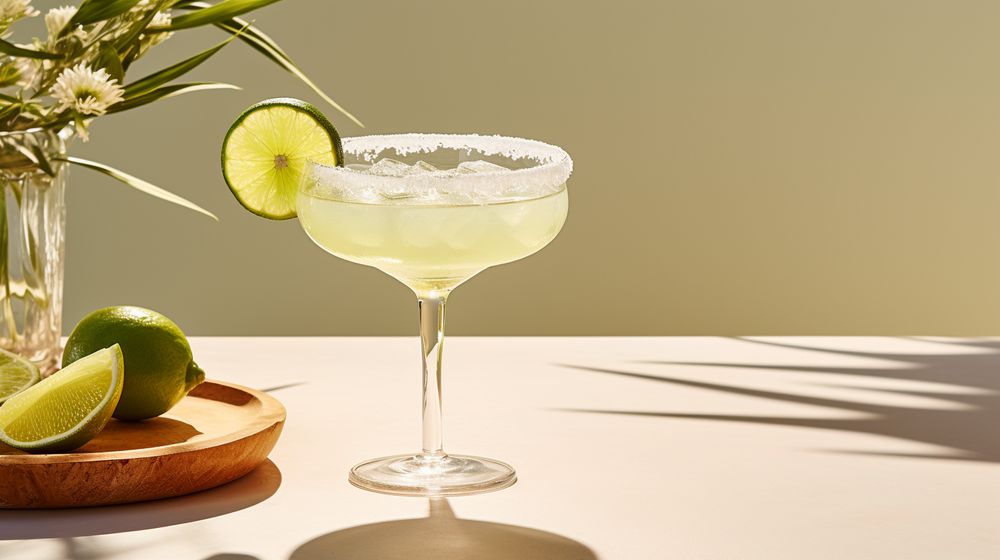
The Margarita, with its perfect blend of tequila, lime juice, and triple sec, is a global favorite.
It’s the drink of summer get-togethers, beachside sips, and patio parties.
Whether you like it on the rocks or blended, it’s hard to beat that citrusy kick!
Then there’s the Tequila Sunrise, a spectacle in a glass.
The golden touch of tequila complements the color gradient from the fiery red of grenadine to the bright orange of fresh juice.
It’s not just a drink; it’s an experience.
Gin’s Classic Cocktails: Gin Tonic and Martini
If tequila is the wild, fun-loving spirit, gin is the sophisticated, well-dressed friend.
The Gin and Tonic, with its crisp and refreshing taste, is simplicity perfected.
The tonic’s bitter quinine beautifully complements gin’s botanical flavors, making it a favorite in pubs, clubs, and bars worldwide.
The Martini, meanwhile, is pure elegance in a glass.
With gin and dry vermouth as its mainstays, it’s the epitome of cocktail class.
Shaken or stirred, olive or twist, it’s the drink of choice for many a suave secret agent and the elite.
Versatility in Mixing Cocktails: Tequila vs. Gin
In the world of mixology, both tequila and gin are titans.
Tequila, with its earthy and sometimes smoky flavor, brings depth to cocktails.
It pairs brilliantly with citrus, spice, and even fruits like pineapple and mango.
Gin, with its distinct herbal notes, is incredibly adaptable.
Depending on its botanicals, it can either complement or contrast with ingredients, leading to a wide range of cocktail possibilities.
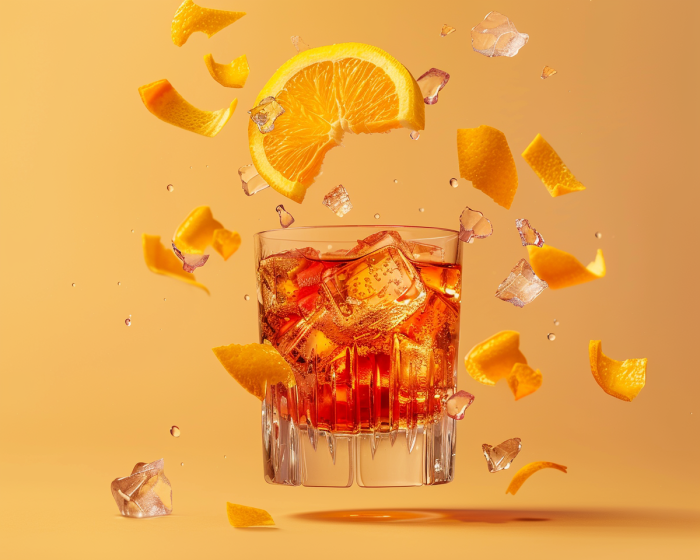
Whether it’s the sharpness of a Negroni or the floral notes of a Lavender Gin Fizz, there’s a gin cocktail for every palate.
Global Trends: Consumption and Popularity
Tequila’s Rising Stardom
Oh, tequila! Once relegated to quick shots and wild college parties, it’s now a superstar in the spirits universe, especially in premium markets.
The surge in demand for high-quality, aged tequilas—think Añejo and Extra Añejo – showcases a shift towards refined consumption.
Patrons are now savoring tequila much like they would fine whiskey or wine.
The Gin Renaissance in Europe
Gin’s journey mirrors a classic tale of resurgence. Its renaissance, particularly in Europe, is awe-inspiring.
Artisanal and craft gin distilleries are popping up faster than you can say “Juniper!”
These establishments emphasize unique botanical blends and local ingredients, turning gin into a canvas for creativity.
From floral to spicy, contemporary gins now offer a spectrum of flavors.
Consumer Shifts and Emerging Trends
Tastes evolve, and the world of spirits is no exception.
Tequila’s rise can be attributed to a combination of effective marketing, celebrity endorsements, and a genuine appreciation of its artisanal production methods.
People want to know the story behind their drink.
Gin, on the other hand, is riding the wave of craft spirit production.
The desire for local, unique, and high-quality beverages has propelled gin into the limelight once again.
Its versatility also means that new gin-based cocktails are continually being crafted, keeping the gin buzz alive and well.
In essence, both tequila and gin reflect a global trend: the thirst for authentic, well-made spirits with a rich backstory.
As consumers become more discerning, expect even more innovations and revivals in the spirits domain.
Tequila and Gin: How They’re Made Differently
Cultural Impact and Traditions
Tequila: Mexico’s Liquid Gold
Tequila, to many, is more than just a drink—it’s the soul of Mexico.
Derived from the heart of the blue agave plant, tequila carries with it the essence of the Mexican sun, soil, and centuries-old traditions.
From the rural areas of Jalisco, where the ‘jima’ (agave harvesting) ritual is a rite of passage, to the bustling streets during Da de los Muertos (Day of the Dead), where tequila toasts honor the departed, this spirit is deeply ingrained in Mexican culture.
You might’ve heard the saying, “Para todo mal, mezcal, y para todo bien, también,” which translates to “For everything bad, mezcal; for everything good, the same.”
While it specifically mentions mezcal (tequila’s smokier cousin), it underscores the spirit’s significance in daily life and major events alike.
Gin: From London’s Lanes to High Society Soirées
Gin, on the other hand, evokes images of rainy British afternoons, iconic London landmarks, and classy soirées.
Its history is deeply intertwined with the British Empire, starting with its medicinal use and evolving during London’s infamous ‘Gin Craze’ in the 18th century, when the city was literally intoxicated by its allure.
The term “Dutch Courage” has its roots in gin history.
British soldiers, during the Thirty Years’ War, were known to consume Dutch gin (or genever) before heading into battle, granting them a boost of ‘courage’.
However, gin wasn’t always celebrated.
During the ‘Gin Craze,’ its overconsumption led to societal issues, famously captured in Hogarth’s print ‘Gin Lane’, which depicted the dark side of gin in London.
But with time, Gin’s image was rehabilitated, moving from the dingy alleys to high society gatherings.
Appreciating Diversity in Distillation
The journey of tequila and gin, from their humble origins to global acclaim, is nothing short of remarkable.
Tequila, born in the rich terrains of Mexico, mirrors the vibrant culture, traditions, and celebrations of its homeland.
Every sip tells a story of the sun-kissed agave fields and the skilled jimadores who pour their hearts into every harvest.
Gin, with its intricate tapestry of botanicals, reflects the historical epochs of Britain, from medicinal cure-alls to hedonistic indulgences and finally to the refined spirit we toast with today.
Its evolution mirrors the changing face of London itself, moving from the shadowy lanes of the ‘Gin Craze’ to being the toast of the aristocracy.
Both spirits, despite their diverse paths, have carved unique niches in the world of mixology.
They’ve inspired countless cocktails and fueled memorable nights, and more importantly, they’ve become integral threads in the cultural tapestries of their respective nations.
And as we raise our glasses to these two magnificent spirits, we leave you with a question to ponder: Which spirit’s production story fascinates you more, the vibrant tale of tequila or the historic journey of gin? 🥂🌍
Liquor Lowdown: FAQs on Tequila and Gin Distinction
How are tequila and gin made differently?
Tequila is primarily produced from the blue agave plant found in Mexico, particularly in the Jalisco region.
The heart (or ‘piña’) of the agave is harvested, cooked to convert starches into sugars, and then crushed to extract its juices.
After fermentation and distillation, tequila is often aged in barrels for various durations, depending on the desired type (Blanco, Reposado, Añejo).
Gin, on the other hand, is a spirit made from grain alcohol and gets its characteristic flavor from juniper berries.
This base spirit undergoes a second distillation with botanicals like coriander, citrus peel, and cardamom, which impart various flavors and aromas.
Why is tequila associated with Mexico?
Tequila is intrinsically linked to Mexico due to its origin.
The blue agave, from which tequila is distilled, thrives in the volcanic soils of the Jalisco region.
Moreover, for a spirit to be officially labeled Tequila,’ it must be produced in designated areas in Mexico, much like Champagne must come from the Champagne region in France.
What’s the history behind gin in the UK?
Gin’s association with the UK began in the 17th century when William of Orange introduced it to England from the Netherlands.
This led to the ‘Gin Craze’ in the 18th century, when Londoners consumed gin in vast quantities, leading to societal problems.
Over time, gin evolved and became associated with British high society and colonial outposts, where the Gin & Tonic was born as a tasty way to consume quinine for malaria prevention.
What types of cocktails are tequila and gin famous for?
Tequila is iconic for cocktails like the Margarita, Tequila Sunrise, and Paloma.
These drinks highlight tequila’s versatility, blending seamlessly with citrus and sweet components.
Gin is celebrated in cocktails such as the Gin and Tonic, Martini, and Negroni. Its botanical character allows it to pair with a variety of mixers and ingredients, making it a staple in many classic cocktails.
Can you substitute gin for tequila in cocktails?
While both gin and tequila are versatile spirits, they have distinct flavor profiles. Substituting one for the other can drastically change a cocktail’s taste.
However, for experimental mixology, this could lead to interesting and innovative concoctions.
Always consider the balance of flavors when making such substitutions.
Are there craft or boutique producers for tequila and gin?
Absolutely! Both tequila and gin have seen a surge in craft or boutique producers.
In Mexico, artisanal tequilas focus on traditional production methods, often using stone ovens and tahona wheels.
Similarly, the gin renaissance, especially in Europe, has led to a plethora of craft distilleries emphasizing unique botanical blends and innovative distillation techniques.