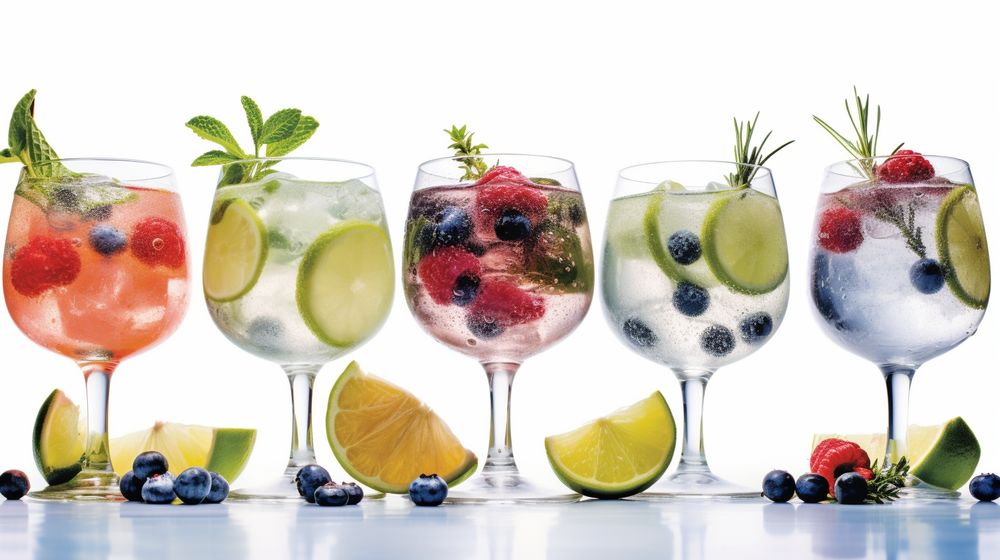
Gin, a spirit with a rich history and a versatile flavor profile, has captivated cocktail enthusiasts for centuries.
Originating from the Netherlands and gaining popularity in England, gin has become a beloved ingredient in classic and contemporary cocktails alike.
In this comprehensive guide, we will take you on a journey through the fascinating world of gin, exploring its diverse types and flavors and the art of gin tasting.
Understanding Gin Basics
To truly appreciate gin, it is essential to understand its fundamental elements. Gin is primarily made from juniper berries, which give it its distinct flavor.
However, other botanicals, such as coriander, citrus peel, and spices, are often added to create unique taste profiles.
The distillation process plays a crucial role in capturing the aromas and flavors of these botanicals, resulting in the complex and aromatic spirit we know as gin.
Different varieties of gin, including London Dry, Plymouth, Old Tom, and New Western, each have their own unique characteristics and flavor profiles.
London Dry, for instance, is known for its strong juniper flavor and dry finish.
Plymouth, on the other hand, has a slightly sweeter profile, while Old Tom is even sweeter and often barrel-aged. New Western, also known as American or International style gin, is a newer category where the juniper flavor is less pronounced, allowing other botanicals to shine.
Craftsmanship and the quality of ingredients are crucial factors in the gin production process. Premium gins often use fresh botanicals and superior grain alcohol, which contribute to a cleaner, more nuanced flavor.
The rise of craft distilleries has seen an increasing number of small-batch gins with innovative and experimental flavors, further expanding the spectrum of gin’s taste and offering gin lovers an exciting world to explore.
Exploring Different Types of Gin
London Dry Gin
- The most common type of gin globally.
- Known for its dry and juniper-forward flavor profile.
- Not necessarily made in London; the term refers to its production style.
Old Tom Gin
- A slightly sweeter style of gin.
- Popular during the 18th century.
- Ideal for classic gin cocktails like Tom Collins and Martinez.
Navy Strength Gin
- Originally developed for the British Royal Navy,
- Bottled at a higher alcohol content (usually 57% ABV),
- Known for its robust flavor and ability to withstand dilution.
Plymouth Gin
- A style of gin produced exclusively in the historic Plymouth distillery.
- Characterized by its smooth, earthy flavor profile.
- Perfect for classic cocktails like the Negroni and Martini.
Exceptional Taste at an Affordable Price
For the frugal gin lover, we’ve curated a list of exceptional gins that won’t break the bank. Discover our top picks for budget-conscious sippers, including insider tips on where to find the best deals.
We believe that price should not be an impediment to quality, and we will point you in the direction of inexpensive treasures.
Here are our top picks.
Gordon’s London Dry Gin
- Tasting Notes: Classic and straightforward, with a clean and refreshing taste. Juniper-forward with subtle hints of citrus and spice.
- Ideal for: Highballs, refreshing cocktails, and long drinks. Gordon’s is an excellent choice for mixing with various flavors and ingredients, making it versatile for a wide range of cocktail creations.
Beefeater London Dry Gin
- Tasting Notes: Crisp and aromatic, with prominent juniper flavors balanced by hints of citrus and spice. Smooth and well-rounded.
- Ideal for: Classic gin cocktails such as Gin and Tonic, Martini, and Negroni. Its versatile flavor profile makes it a great choice for various mixed drinks.
Tanqueray London Dry Gin
- Tasting Notes: Bold and robust, with pronounced juniper and citrus notes. The botanical blend provides a rich and complex flavor profile.
- Ideal for: Traditional gin cocktails like Gin and Tonic, Gimlet, and Tom Collins. Its strong flavor profile makes it a go-to gin for those who enjoy a pronounced juniper presence.
Luxury Gin Showcase
Indulge in the world of premium gins, perfect for those seeking a luxurious and refined drinking experience. Explore the opulent world of high-end gins, where craftsmanship and rare botanicals converge.
From velvety textures to intricate flavor profiles, we’ll provide tasting notes and suggest delectable pairings to complement these extraordinary spirits.
Here are our hand-picked selections.
Hendrick’s Gin
- Tasting Notes: Distinctive and unique, with a delicate balance of floral and citrus notes. Infused with cucumber and rose petals, it offers a refreshing and aromatic flavor profile.
- Ideal for: crafting sophisticated and elegant cocktails. Hendrick’s Gin’s botanical blend and intricate flavors make it a perfect choice for creating elevated and visually appealing gin-based drinks.
The Botanist’s Islay Dry Gin
- Tasting Notes: Complex and herbaceous, with a rich array of botanicals sourced from the Scottish island of Islay. It showcases a harmonious blend of floral, citrus, and herbal flavors.
- Ideal for: Enjoying neat or classic gin cocktails that allow the gin’s unique character to shine. Its layered flavors make it an excellent choice for sipping and savoring, as well as for creating refined and nuanced gin cocktails.
Monkey 47 Schwarzwald Dry Gin
- Tasting Notes: Intricate and aromatic, with an extensive range of botanicals, including juniper, citrus, herbs, and spices. It offers a harmonious balance of flavors, with a hint of sweetness.
- Ideal for: Showcasing the gin’s complexity in premium cocktails and gin-forward drinks. Monkey 47 is perfect for those who appreciate the depth of flavors and enjoy exploring the intricate nuances of gin in their cocktails.
DIY Craft Gin Making
For the adventurous souls yearning to create their gin elixirs, we’ve crafted a step-by-step guide to DIY craft gin making.
We’ll unveil the essential tools and ingredients required, empowering you to experiment with flavors and embark on a personal gin-making adventure.
Unleash your creativity and craft your gin at home with this step-by-step guide:
Gather Your Tools and Ingredients:
- Tools
- Glass Jar or Container: Use a clean, airtight glass jar or container to steep and infuse your botanicals.
- Copper Still or Alembic Pot Still: While not essential, a small copper still or alembic pot still can enhance the distillation process. Alternatively, you can use a stovetop distillation setup with a condenser.
- Thermometer: A thermometer is necessary to monitor the temperature during distillation.
- Measuring Spoons: Use measuring spoons to ensure precise measurements of botanicals.
- Fine-Mesh Strainer: A fine-mesh strainer or cheesecloth is needed to strain out the botanicals from the final gin.
- Glass Jar or Container: Use a clean, airtight glass jar or container to steep and infuse your botanicals.
- Ingredients
- Neutral Grain Spirit or Vodka: Start with a high-quality neutral grain spirit or vodka as the base for your gin. Choose one with a clean and neutral taste to allow the botanical flavors to shine.
- Botanicals: This is where you can get creative. Some common botanicals used in gin include juniper berries, coriander seeds, citrus peels (lemon and orange), angelica root, orris root, cardamom pods, cinnamon, and more. Experiment with different combinations to create your desired flavor profile.
- Filtered Water: Use filtered water to dilute the distilled spirit and achieve the desired final alcohol content.
- Neutral Grain Spirit or Vodka: Start with a high-quality neutral grain spirit or vodka as the base for your gin. Choose one with a clean and neutral taste to allow the botanical flavors to shine.
- The Distillation Process
- Prepare Your Botanicals: Gather your desired botanicals and measure them according to your recipe or preferred taste. You can adjust the amounts based on personal preference and experimentation.
- Steep the Botanicals: Add the measured botanicals to your glass jar or container. Pour the neutral grain spirit or vodka over the botanicals, ensuring they are fully submerged. Seal the container and let it sit for at least 24 hours to allow the flavors to infuse.
- Distillation Process: If using a small copper still or alembic pot still, follow the manufacturer’s instructions for setup and operation. If using a stovetop distillation setup, place the infused spirit in a heatproof container, and set it on a heat source. Attach a condenser to the container, and ensure it is properly sealed. Heat the mixture gently, collecting the distilled spirit in a separate container.
- Monitor Temperature: Throughout the distillation process, monitor the temperature using a thermometer. The temperature should remain constant, usually around 78-82 degrees Celsius (172-180 degrees Fahrenheit), as this is the boiling point of alcohol.
- Collect the Hearts: During distillation, the process produces different fractions: heads (undesirable compounds), hearts (the desired distillate), and tails (heavier, less desirable compounds). Collect the heart portion, discarding the heads and tails, to obtain the cleanest and best-flavored gin.
- Dilute and Bottle: Once you have collected the hearts, dilute the distillate with filtered water to achieve the desired alcohol content. Typically, gin has an alcohol content of around 40-45%. Taste and adjust as needed. Finally, strain the gin through a fine-mesh strainer or cheesecloth to remove any impurities, and bottle it for storage.
- Prepare Your Botanicals: Gather your desired botanicals and measure them according to your recipe or preferred taste. You can adjust the amounts based on personal preference and experimentation.
Remember, the distillation of spirits requires careful attention to safety and legal regulations. It is essential to research and adhere to the laws and regulations regarding home distillation in your specific location.
Non-Alcoholic Gin Alternatives: Flavors without the Buzz
For those seeking a refreshing gin experience minus the alcohol, we explore the world of non-alcoholic gin alternatives.
These options retain the complexity and flavor profile of traditional gin, making them ideal for designated drivers, health-conscious individuals, or anyone simply looking for a booze-free delight.
We’ll highlight renowned brands that excel at producing these exquisite alternatives.
Ritual Zero Proof
- Tasting Notes: Ritual Zero Proof offers a non-alcoholic gin alternative called Ritual Zero Gin. It boasts a balanced blend of juniper, citrus, and herbal notes, creating an everyday gin flavor experience.
- Ideal for: Ritual Zero Gin is perfect for those seeking a non-alcoholic substitute for classic gin cocktails like the Martini or Negroni. It provides the aromatic and flavor components necessary to recreate beloved gin-based drinks without alcohol.
Lyre’s
- Tasting Notes: Lyre’s Non-Alcoholic Spirits offers a non-alcoholic gin with a distinctive taste. Their Dry London Spirit delivers the characteristic juniper-forward flavor profile associated with traditional gin, alongside herbal and citrus undertones.
- Ideal for: Lyre’s Non-Alcoholic Gin is excellent for crafting non-alcoholic versions of classic gin cocktails. From a refreshing Gin and Tonic to a sophisticated Gimlet, it allows you to enjoy the essence of gin in a non-alcoholic form.
Seedlip
- Tasting Notes: Seedlip offers a range of non-alcoholic spirits with different flavor profiles. For example, Seedlip Garden 108 features herbal and floral notes, while Seedlip Grove 42 offers a citrus-forward profile. Expect complex flavors akin to traditional gin, minus the alcohol.
- Ideal for: Seedlip’s non-alcoholic gins are perfect for creating sophisticated mocktails that mimic the flavors of traditional gin cocktails. They serve as a base for refreshing and complex mixed drinks, allowing you to enjoy the botanical complexity without the alcoholic content.
Gin Pairings: Uniting Spirits with Culinary Delight
Explore the art of food and gin pairing, elevating your culinary experiences with these suggestions.
Appetizers
- Pairing Recommendation: Tanqueray No. Ten with Smoked Salmon Canapés
- Tasting Notes: Tanqueray No. Ten is a citrus-forward gin with vibrant flavors of grapefruit, lime, and orange. It also incorporates botanicals like chamomile and juniper. The bright and zesty citrus notes complement the richness of the smoked salmon, while the botanical blend adds complexity to the pairing.
Main Courses
- Pairing Recommendation: Monkey 47 Schwarzwald Dry Gin with Grilled Lamb Chops
- Tasting Notes: Monkey 47 is a complex and aromatic gin with a diverse range of botanicals, including juniper, citrus, herbs, and spices. It features a harmonious balance of flavors, with a hint of sweetness. The robust and herbaceous profile of Monkey 47 complements the rich and savory flavors of grilled lamb chops, enhancing the overall taste experience.
Desserts
- Pairing Recommendation: Hendrick’s Gin with Lemon Tart
- Tasting Notes: Hendrick’s Gin is known for its delicate balance of floral and citrus notes. It infuses cucumber and rose petals into the botanical blend, resulting in a refreshing and aromatic flavor profile. The floral and citrus elements of Hendrick’s Gin harmonize with the tangy and citrusy flavors of the lemon tart, creating a complementary pairing that elevates the dessert’s overall taste.
Check out more tips on Food Pairing with Gin
Gin Tasting Guide: Savoring Every Sip
Enhance your gin appreciation with our comprehensive tasting guide. We’ll provide practical tips on properly tasting gin, from examining its color to savoring its aroma and identifying tasting notes.
Whether you’re a budget-conscious sipper or a luxury cocktail connoisseur, our guide will equip you with the knowledge to savor each sip and appreciate the nuances of this beloved spirit.
Visual Examination
- Note the color and clarity of the gin.
- Discuss the importance of a clean and clear appearance.
Aroma Assessment
- Instruct readers to swirl and smell the gin.
- Explain the significance of detecting different botanical aromas.
Tasting Notes
- Guide readers to take a small sip and identify the flavors.
- Encourage them to describe the taste using specific tasting notes.
Conclusion: Finding Your Perfect Gin
In this comprehensive guide to gin types, we have explored the vast array of options available to gin enthusiasts.
From budget-friendly selections to luxurious indulgences and non-alcoholic alternatives to DIY craft gin, there is a perfect gin for every taste and occasion.
When it comes to selecting your perfect gin, it’s essential to take note of the flavor profiles that you are drawn to. Do you prefer a traditional, juniper-heavy London Dry or something more modern and botanical-forward?
Maybe you enjoy the sweetly nuanced Old Tom, or maybe you’re drawn to the innovative and experimental flavors of New Western gins. And let’s not forget the unique tastes offered by flavored gins, which run the gamut from subtle to bold and sweet to spicy.
Equally important is to consider the context in which you’ll be enjoying your gin. A well-made gin and tonic can be a refreshing accompaniment to a summer day, while a Negroni or a Martini might be more appropriate for a sophisticated evening affair.
The best part is that there are no strict rules in the realm of gin; it’s all about personal taste and enjoyment.
As you journey through the world of gin, savor the process of discovery and remember that every bottle has a story to tell, a story intertwined with history, culture, craftsmanship, and innovation.
Here’s to finding your perfect gin, one sip at a time.
Whether you enjoy classic cocktails, innovative mixology, or simply sipping gin neat, the key is to explore and experiment to find the gin that resonates with your personal preferences.
Remember, the best gin is the one that brings you joy and enhances your cocktail experience. Cheers to the wonderful world of gin!
Unraveling the World of Gin: Your Guide to Gin Types
What is gin and how is it made?
Gin is a spirit that is primarily made from juniper berries and other botanicals. It is produced through a process called distillation, where the botanicals are infused into a neutral grain spirit or vodka.
What are the different types of gin?
There are various types of gin, including London Dry Gin, Old Tom Gin, Navy Strength Gin, Plymouth Gin, and contemporary gins. Each type has its own unique characteristics and flavor profiles.
What is the difference between London Dry Gin and other gin types?
London Dry Gin is known for its dry and juniper-forward flavor profile. Unlike other types of gin, it doesn’t have any added sweeteners or flavors after distillation, making it a purer expression of gin.
What makes Navy Strength Gin different from other gins?
Navy Strength Gin has a higher alcohol content, traditionally at 57% ABV. It was historically developed for naval officers who needed spirits that wouldn’t compromise even if they came into contact with gunpowder.
What is the history behind Old Tom Gin?
Old Tom Gin is a style of gin that originated in the 18th century. It is slightly sweeter than London Dry Gin and was popular during the gin craze in London. It is often used in classic cocktails like the Tom Collins and the Martinez.
Where can I find budget-friendly gin options?
Budget-friendly gins can often be found at local liquor stores or online retailers. Additionally, some brands offer value-for-money options that deliver quality without compromising taste.
What are some premium gin options worth trying?
Luxury or premium gin brands offer exceptional quality and unique flavor profiles. Examples of premium gins include Hendrick’s, Monkey 47, and The Botanist. These gins often feature rare botanicals and meticulous craftsmanship.
Can I make my own gin at home?
Yes, it is possible to make your own gin at home. DIY craft gin involves infusing botanicals into a neutral spirit and then distilling it. However, it’s important to research and follow legal guidelines and safety precautions.
Are there non-alcoholic gin alternatives available?
Yes, there are non-alcoholic gin alternatives that mimic the flavors of gin without the alcohol content. Brands like Seedlip, Ritual Zero Proof, and Lyre’s offer non-alcoholic gin options with their own unique profiles.
What are some popular gin-based cocktails I can try?
Classic gin-based cocktails include the Martini, Negroni, Gin and Tonic, and Tom Collins. Additionally, mixologists and enthusiasts are constantly creating innovative gin cocktails that showcase the versatility of this spirit.