Taste Profile
Mimosa
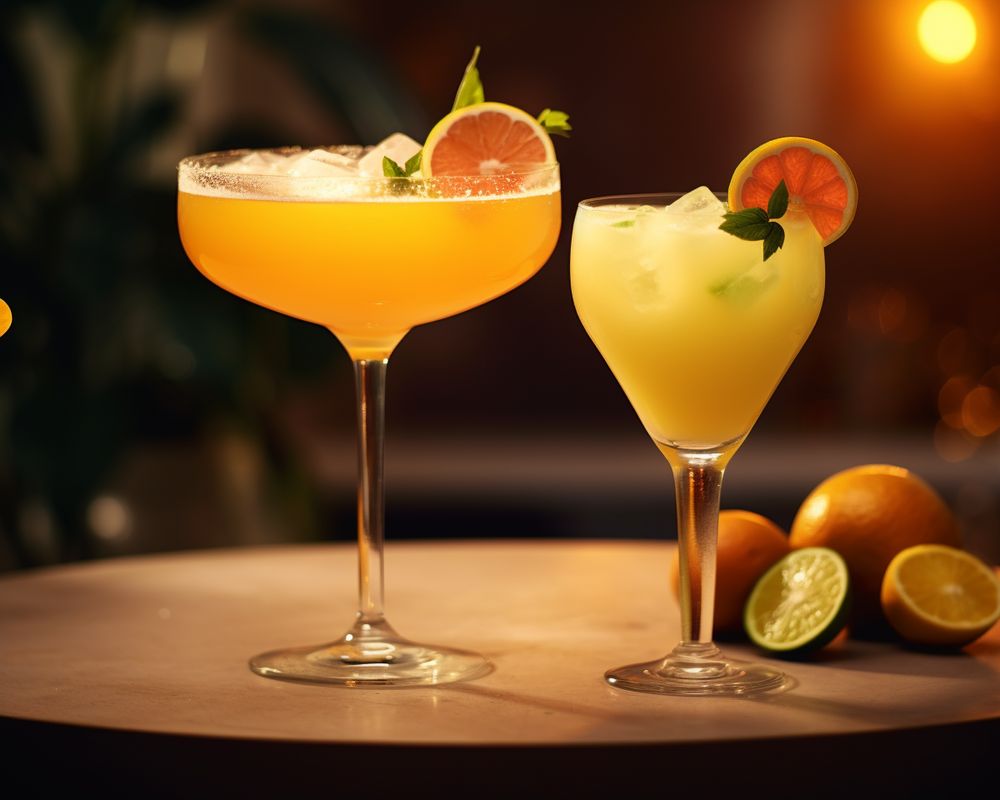
A Mimosa cocktail is a sweet and tangy delight, largely due to its two primary ingredients: champagne and orange juice. The sweetness comes from the natural sugars in the orange juice, while the sourness is derived from its citric acid. The champagne adds a bubbly texture, making it a refreshing and light cocktail. The temperature is typically chilled, enhancing the overall mouthfeel and aftertaste. The balance between the sweetness and sourness is key in a Mimosa, with neither overpowering the other, creating a harmonious taste profile.
Margarita
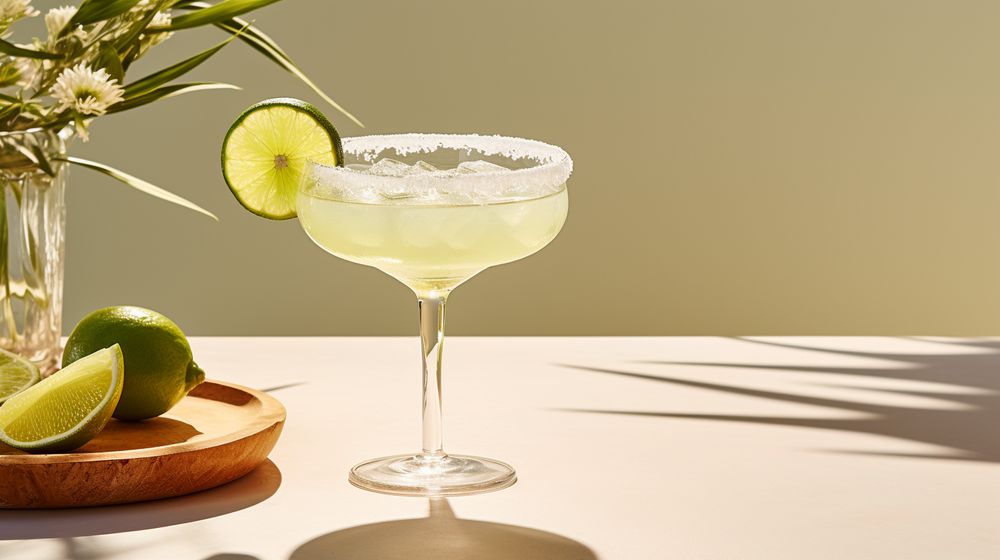
The Margarita, on the other hand, is a cocktail that is both sweet and sour, with a hint of saltiness. The sweetness comes from the orange liqueur, the sourness from the lime juice, and the saltiness from the salt rim on the glass. The texture is often smooth, but can be made slushy if blended with ice. The temperature of a Margarita is usually cold, which enhances the contrast between the sweet and sour flavors. The complexity of a Margarita comes from the balance of these three basic tastes, creating an intense and robust taste profile.
Comparison
| Mimosa | Margarita |
|---|---|
| Sweet and sour | Sweet, sour, and salty |
| Light and bubbly texture | Smooth or slushy texture |
| Chilled temperature | Cold temperature |
| Harmonious balance | Complex and intense balance |
💡 While both Mimosa and Margarita share a sweet and sour taste profile, the Margarita adds an extra layer of complexity with its hint of saltiness. This makes the Margarita a more robust and intense cocktail, while the Mimosa remains a light and refreshing option.
Essential Barware and Glassware
Mixing & Preparation
When it comes to mixing and preparing both Mimosa and Margarita cocktails, a variety of tools are needed. A Cocktail Shaker and a Mixing Glass are essential for blending the ingredients together. A Bar Spoon and Muddler are used to mix and crush the ingredients to release their flavors. Strainers such as a Fine Mesh Strainer, Hawthorne Strainer, and Jigger are used to measure and pour the cocktail without any unwanted particles. To create the perfect ice for your cocktail, an Ice Crusher and Ice Molds are necessary.
Serving & Presentation
Once your cocktail is prepared, the presentation is key. For a Mimosa, a Champagne Flute is used, whereas a Margarita is served in a Cocktail Glass. A Highball Glass or Lowball Glass can be used for other cocktails. A Glass Rimmer and Garnish Tray are used to add the finishing touches to your cocktail, and Coasters are used to prevent any damage to your surfaces.
Storage & Organization
Proper storage and organization are crucial in maintaining the quality of your cocktails. Tools such as an Ice Bucket & Tongs, Bottle Opener & Corkscrew, Speed Pourers, and Liquor Pour Spouts are used to store and serve your cocktails. A Bar Mat, Bar Roll or Tool Bag are used to organize your barware and glassware.
Garnishing & Fine Detailing
Garnishing and detailing are what make your cocktails stand out. A Cutting Board & Knife, Peeler & Zester, Channel Knife, Citrus Juicer, Atomizer, and Bitters Bottle are used to add the final touches to your cocktails.
Preservation & Enhancement
Preserving and enhancing the quality of your cocktails is important. A Champagne Stopper, Wine Aerator, Decanter, and Wine Preserver are used to maintain the freshness and enhance the flavors of your cocktails.
💡 While both Mimosa and Margarita cocktails require similar barware and glassware, the key difference lies in the serving glass. A Mimosa is traditionally served in a Champagne Flute to maintain the bubbles, while a Margarita is served in a Cocktail Glass to showcase its vibrant color and garnishes.
Versatility
Mimosa vs Margarita: Occasions and Events
| Mimosa | Margarita |
|---|---|
|
|
Mimosa vs Margarita: Season Pairing
| Mimosa | Margarita |
|---|---|
|
|
Summary
The Mimosa, with its light, crisp, and refreshing taste, is a versatile cocktail that pairs well with a variety of occasions and seasons. It’s perfect for brunch, weddings, baby showers, and family reunions. It’s also a great choice for any season. The Margarita, on the other hand, is a vibrant and festive cocktail that’s ideal for beach days, barbecues, birthday parties, and themed parties. It’s best enjoyed in the warmer seasons of spring and summer.
💡 While both cocktails are popular and versatile, the Mimosa’s broader range of season pairing makes it a more flexible choice for various events and occasions throughout the year.
Ingredient Accessibility
Mimosa Ingredients
The Mimosa, a classic brunch cocktail, is delightfully simple to craft. It requires just two main ingredients:
- Orange Juice
- Champagne
These ingredients are widely available in most supermarkets, making the Mimosa a convenient choice for cocktail enthusiasts and newbies alike.
Margarita Ingredients
On the other hand, the Margarita, a Mexican classic, requires a bit more effort in terms of ingredient gathering. Here’s what you need:
- Tequila
- Lime Juice
- Triple Sec (or any other orange liqueur)
- Salt (for rimming the glass)
While tequila and lime juice are relatively easy to find, sourcing Triple Sec may prove a tad more challenging, especially for cocktail newbies. Furthermore, perfecting the art of rimming a glass with salt may require some practice.
Whether you opt for a Mimosa or a Margarita largely depends on your preference for simplicity or a bit of a challenge. Both cocktails offer unique flavors and experiences, but the Mimosa wins out in terms of ingredient accessibility.
Comparison Table
| Mimosa | Margarita |
|---|---|
| Highly accessible ingredients | Some ingredients may be harder to find |
💡 Unique Insight: While the Margarita may require a bit more effort in terms of ingredient gathering and preparation, it’s this very complexity that makes the cocktail a rewarding experience for those who love to experiment. On the other hand, the Mimosa, with its easy-to-find ingredients, is perfect for those who prefer simplicity and convenience.
Most Popular Cocktail Variations
Mimosa Variations
As a brunch staple, the Mimosa’s versatility makes it a favorite amongst cocktail enthusiasts and newbies alike. Here are some of the most popular variations:
- Grand Mimosa: This variation adds a splash of Grand Marnier to the classic Mimosa recipe, providing a hint of citrusy sweetness.
- Pomegranate Mimosa: Swap the orange juice for pomegranate juice and you have a tangy, antioxidant-rich twist on the classic.
- Tropical Mimosa: For a taste of the tropics, replace the orange juice with a combination of pineapple and mango juices.
Margarita Variations
From beach bars to fine dining restaurants, the Margarita is a cocktail icon. Here are a few tasty versions that have gained popularity:
- Strawberry Margarita: This fruity variation blends fresh or frozen strawberries with the traditional Margarita ingredients.
- Spicy Margarita: Add a kick to your cocktail with a splash of hot sauce or a slice of jalapeño.
- Beer Margarita: For a fizzy twist, top off your Margarita with a splash of light beer.
Comparing Mimosa and Margarita Variations
| Mimosa Variations | Margarita Variations |
|---|---|
| Grand Mimosa | Strawberry Margarita |
| Pomegranate Mimosa | Spicy Margarita |
| Tropical Mimosa | Beer Margarita |
💡 While Mimosas and Margaritas are both beloved cocktails, their variations reveal a key difference. Mimosa variations tend to play with different fruit flavors, while Margarita variations often experiment with adding heat or fizz to the classic recipe.
Which One is More Expensive to Make?
Mimosa
For a classic Mimosa, the main ingredients are champagne and orange juice. The cost of making a Mimosa can vary greatly depending on the quality of the champagne you choose. Here are some options:
- Lower Spirit Brand: Andre Brut Champagne – $6.99
- Medium Spirit Brand: Moet & Chandon Imperial Brut – $49.99
- Higher Spirit Brand: Dom Perignon Vintage – $180.99
Margarita
Margaritas require tequila, triple sec, and lime juice. Similar to Mimosa, the cost can differ based on the brand of tequila. Here are some options:
- Lower Spirit Brand: Jose Cuervo Especial Gold Tequila – $14.99
- Medium Spirit Brand: Patron Silver Tequila – $45.99
- Higher Spirit Brand: Don Julio 1942 Anejo Tequila – $139.99
Comparative Analysis
Based on the spirit brands listed, it’s clear that the cost of making a Margarita can be more expensive than a Mimosa if you opt for higher-end tequila. However, if you’re on a budget, a Mimosa can be made more affordably with a lower-end champagne.
| Mimosa | Margarita |
|---|---|
| Andre Brut Champagne – $6.99 | Jose Cuervo Especial Gold Tequila – $14.99 |
| Moet & Chandon Imperial Brut – $49.99 | Patron Silver Tequila – $45.99 |
| Dom Perignon Vintage – $180.99 | Don Julio 1942 Anejo Tequila – $139.99 |
💡 While the cost of the base spirit can significantly affect the overall cost of the cocktail, it’s also important to consider the cost of the other ingredients. For example, fresh squeezed orange juice for a Mimosa or high-quality triple sec for a Margarita can also add to the overall cost of the cocktail.
Prep & Mix Time (Complexity of Preparation)
Mimosa
The Mimosa is a classic brunch cocktail that is easy to prepare. Here’s a breakdown of its preparation:
- Total Preparation Time: 5 minutes
- Mixing Time: 2 minutes
- Complexity of Preparation: Easy
- Ingredient Preparation: Chill champagne and orange juice
- Mixing Techniques: Pour champagne into a glass, top off with orange juice
- Presentation: Serve in a champagne flute, garnish with a strawberry
- Set up: Champagne, orange juice, champagne flute, strawberry
- Cleanup: Rinse glasses, recycle bottles
- Waiting Time: None
- Expert Tips: Use freshly squeezed orange juice for the best flavor
Margarita
The Margarita, a classic tequila-based cocktail, requires a bit more preparation. Here’s what you need to know:
- Total Preparation Time: 10 minutes
- Mixing Time: 5 minutes
- Complexity of Preparation: Medium
- Ingredient Preparation: Juice limes, prepare salt rim
- Mixing Techniques: Shake ingredients with ice, strain into glass
- Presentation: Serve in a margarita glass, garnish with a lime wheel
- Set up: Tequila, triple sec, limes, salt, margarita glass, shaker
- Cleanup: Rinse glasses and shaker, recycle bottles
- Waiting Time: None
- Expert Tips: Use high-quality tequila for the best taste
💡 While both cocktails are refreshing and delightful, the Mimosa is the quicker and easier option to prepare, making it ideal for large gatherings or a lazy Sunday brunch. On the other hand, the Margarita, with its additional preparation steps, is perfect for those who enjoy the art of cocktail making and have a little more time on their hands.
Mixology Hacks for the Perfect Blend
Muddling Right
When it comes to muddling, it’s all about the gentle press and twist. Over-muddling can lead to bitter flavors, especially with herbs. Remember, your goal is to release flavors, not destroy the ingredients.
Ice Matters
Ice is not just for chilling your cocktail, it plays a crucial role in diluting the strong flavors. Larger ice cubes are ideal for slow dilution, while crushed ice is perfect for frosty cocktails.
Shake vs Stir
Shaking is best for cocktails with citrus or dairy, while stirring is ideal for spirit-forward cocktails like the Margarita. The key is to know when to shake and when to stir.
Balancing Act
Balancing the flavors in a cocktail is an art. The perfect blend is achieved by balancing the sweet, sour, bitter, and alcohol flavors. For instance, the Mimosa strikes a perfect balance with its sweet champagne and sour orange juice.
Herb Infusion
Herb infusions add a unique twist to cocktails. Fresh herbs like mint or basil can be muddled or infused into the liquor for a refreshing flavor.
Aromatic Bitters
Bitters are the salt and pepper of cocktails. They enhance the other flavors, making your cocktail more complex and enjoyable.
Smoke Effects
Adding a smokey flavor can elevate your cocktail to a whole new level. This can be achieved by smoking the glass or using a smokey liquor.
Double Straining
Double straining ensures a smooth cocktail, free from any tiny ice shards or fruit pulp. It’s especially important for cocktails like the Margarita.
Perfect Presentation
The presentation is just as important as the taste. A well-presented cocktail is more appealing and enhances the overall drinking experience.
Glassware
The right glassware can enhance the flavors and aromas of your cocktail. For instance, a flute is perfect for the Mimosa, while a margarita glass is ideal for the Margarita.
Garnish Game
Garnishing is not just for looks, it adds to the overall flavor. A slice of orange or a cherry can make a big difference in your cocktail.
Temperature
The right temperature is crucial for the perfect cocktail. It affects the taste, aroma, and presentation of your cocktail.
Crafting Signature Cocktails at Home
With the right tools and techniques, you can create your own signature cocktails at home. Experiment with different flavors and ingredients to create your unique blend.
Mixology Techniques for Beginners
Start with the basics, learn to muddle, shake, and stir. Once you’ve mastered these, you can start experimenting with more complex techniques like smoking and infusing.
Clarified Cocktails
Clarified cocktails are clear but packed with flavor. The process involves removing the solid particles from the cocktail, resulting in a smooth and visually stunning drink.
Dehydrated Garnish
Dehydrated fruits are a trendy garnish in the cocktail world. They add a unique aesthetic and a concentrated flavor to your cocktail.
Freeze & Squeeze
Freezing and squeezing citrus fruits before juicing can yield more juice. It’s a simple trick that can make a big difference in your cocktails.
💡 The secret to a perfect cocktail is not just about the right ingredients, but how you use them. Mastering the art of mixology involves understanding the balance of flavors, the importance of presentation, and the subtle nuances of each technique. So, keep experimenting and keep tasting, because the perfect blend is all about trial and error.
Alcohol Content (Low to Maximum ABV%) and Alcohol-Free Alternatives (Mocktails)
Mimosa
Typically, a Mimosa consists of one part champagne and one part orange juice, leading to an average alcohol by volume (ABV) of around 10%. This can vary, however, depending on the type of champagne used and the ratio of champagne to juice.
Alcohol-Free Alternative: Virgin Mimosa
For those looking for an alcohol-free alternative, the Virgin Mimosa is a great choice. This mocktail is made with sparkling white grape juice and orange juice, providing the same refreshing citrus taste without the alcohol.
Margarita
The Margarita, on the other hand, is a stronger cocktail with an average ABV of around 20%. This is due to the combination of tequila, triple sec, and lime juice. The exact ABV can also vary depending on the brands of spirits used and the ratios in the recipe.
Alcohol-Free Alternative: Virgin Margarita
The Virgin Margarita, also known as a ‘Mockarita’, is an alcohol-free version of the classic Margarita. It is made with lime juice, orange juice, and a sweetener such as agave nectar or simple syrup. The result is a refreshing, tangy drink that closely resembles its alcoholic counterpart.
| Cocktail | Average ABV% |
|---|---|
| Mimosa | 10% |
| Margarita | 20% |
💡 Unique Insight: While both the Mimosa and Margarita have their alcohol-free versions, the taste profile changes significantly in the case of the Margarita. The absence of tequila in the Virgin Margarita alters the flavor, making it less complex than its alcoholic version. On the other hand, the Virgin Mimosa retains much of the original Mimosa’s taste profile, making it a more faithful mocktail alternative.
Nutritional Information
Caloric Intake
When comparing the Mimosa and the Margarita, the former typically contains fewer calories. A standard Mimosa, made with 60ml of champagne and 60ml of orange juice, contains approximately 75-85 calories. On the other hand, a Margarita, containing 45ml of tequila, 30ml of lime juice, and 15ml of triple sec, can contain up to 150-200 calories.
Spirits and Mixers
The Mimosa is a lighter cocktail, with champagne and orange juice being its primary ingredients. On the contrary, the Margarita has tequila, lime juice, and triple sec, making it a more potent cocktail.
Sugar Content and Carbohydrates
The sugar content in a Mimosa is relatively low, with the orange juice contributing the majority of its sugar. It contains approximately 7.5g of sugar and 11g of carbohydrates. The Margarita, however, contains up to 24g of sugar and 36g of carbohydrates, primarily due to the triple sec and sweetened lime juice.
Protein, Fats, and Other Nutrients
Neither cocktail provides a significant source of protein or fats. However, the orange juice in a Mimosa does offer a small amount of Vitamin C and potassium.
Allergens, Gluten, and Other Factors
Both cocktails are typically gluten-free, assuming the spirits used are gluten-free. However, allergens can vary based on the specific brands of spirits and mixers used.
Low-Calorie and Sugar-Free Options
For those seeking a lower-calorie or sugar-free option, consider a Mimosa with a reduced-sugar orange juice or a Margarita with fresh lime juice and a sugar-free triple sec.
💡 Despite their differences, both the Mimosa and the Margarita can be enjoyed as part of a balanced lifestyle. The key is moderation and being aware of the ingredients used in your cocktails.
Facts
Mimosa Facts
The Mimosa cocktail is a classic brunch drink, known for its refreshing and light taste. Here are some key facts:
- Components: It’s a simple drink made with only two ingredients – chilled champagne and fresh orange juice.
- Origin: The Mimosa was first created in Paris in the 1920s and is named after the Mimosa flower due to its bright, golden color.
- Variations: You can add a splash of Grand Marnier or use different types of citrus juice for a twist.
Margarita Facts
The Margarita is a popular cocktail, perfect for a sunny day or a Mexican-themed party. Here are some essential facts:
- Components: A classic Margarita is made with tequila, fresh lime juice, and triple sec.
- Origin: Its origin is disputed, but it was likely invented in Mexico in the 1930s or 1940s.
- Variations: You can experiment with different flavors by adding fresh fruits or switching the triple sec for other liqueurs.
Comparison
| Mimosa | Margarita |
|---|---|
| Light and refreshing | Strong and tangy |
| Best for brunch | Best for evening parties |
| Champagne-based | Tequila-based |
Remember, the quality of your cocktail heavily depends on the quality of your ingredients. Always opt for fresh juices and high-quality alcohol.
💡 While both cocktails have their unique charm, the choice between a Mimosa and a Margarita often depends on the occasion and personal taste preference. However, a lesser-known fact is that both these cocktails can be customized to a great extent. For instance, a Mimosa can be made with different types of sparkling wine, not just champagne, and a Margarita can be transformed into a fruity delight by adding fresh berries or tropical fruits.
Frequently Asked Questions
What are the main ingredients of a Mimosa?
A Mimosa cocktail is a simple yet elegant blend of chilled champagne and freshly squeezed orange juice. Some variations may also include a splash of Triple Sec or orange liqueur to enhance the citrus notes.
What are the main ingredients of a Margarita?
A classic Margarita comprises of tequila, lime juice, and Cointreau or Triple Sec. It’s typically served with a salt rim on the glass to contrast the tartness of the drink.
What barware is needed to make these cocktails?
For a Mimosa, a champagne flute is typically used to highlight the effervescence of the drink. A Margarita, on the other hand, is usually served in a margarita glass, and you’ll need a shaker to mix the ingredients together.
What are the ideal food pairings for these cocktails?
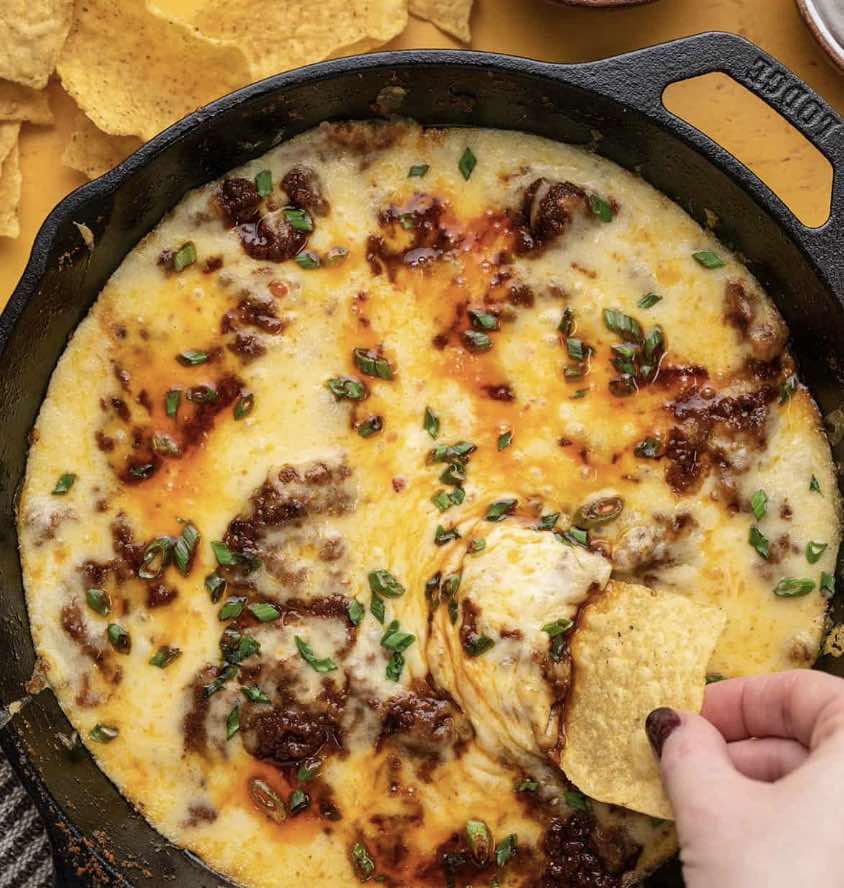
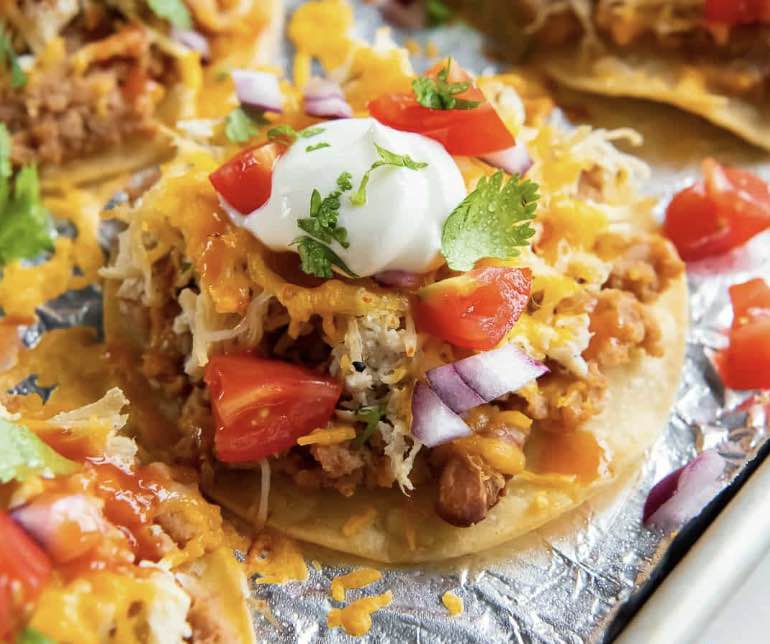
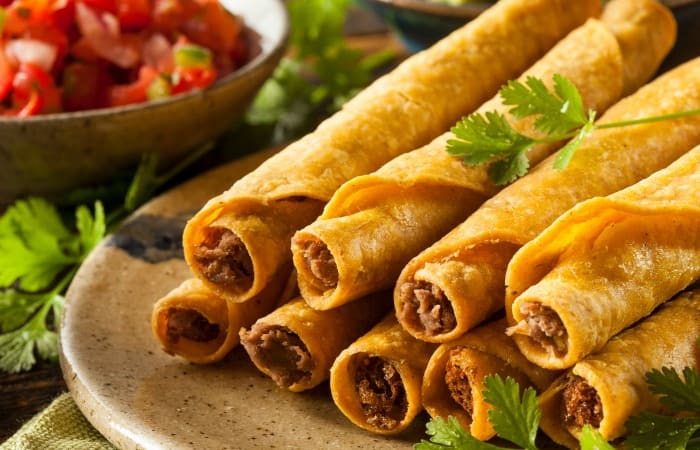
Mimosas are a brunch favorite and pair well with light, breakfast foods like pastries, eggs, and fruits. Margaritas, with their bold flavors, pair excellently with Mexican dishes like tacos, nachos, and enchiladas.
What is the calorie content of these cocktails?
A standard Mimosa contains approximately 75 calories, mainly from the champagne. A Margarita, on the other hand, is more calorie-dense with around 200 calories, depending on the amount of tequila and sweetener used.
How much do these cocktails typically cost to make at home?
The cost of making a Mimosa or Margarita at home largely depends on the quality of the ingredients used. For a Mimosa, a decent bottle of champagne can cost around $15-$20, while a Margarita requires tequila, which can range from $15-$50 for a quality bottle.
What is the alcohol content (ABV) of these cocktails?
The alcohol content of a Mimosa is relatively low, around 10% ABV, due to the dilution from the orange juice. A Margarita, however, is a stronger drink with an ABV of around 20-30%, depending on the ratio of tequila used.
💡 Although both cocktails are citrus-based, the Mimosa and Margarita offer different flavor profiles and experiences. The Mimosa, with its low ABV and refreshing taste, is perfect for daytime events like brunches. The Margarita, with its higher alcohol content and bold flavors, is more suited for evening gatherings and pairs well with spicy foods.