Taste Profile
Daiquiri
With its roots in Cuba, the Daiquiri cocktail is a delightful blend of sweetness and sourness. The sweetness comes from the use of simple syrup, while the sourness is from fresh lime juice. This cocktail does not offer any distinct saltiness, bitterness, umami, or spiciness.
Other taste profile factors include a citrusy aroma, a smooth texture, and a cool temperature. The mouthfeel is light and crisp, and the aftertaste is refreshing with a hint of tartness. The Daiquiri strikes a balance between sweetness and sourness, offering a simple yet harmonious flavor profile.
Bloody Mary
Originating from the United States, the Bloody Mary is a cocktail that offers a unique mix of saltiness, spiciness, and umami. The saltiness comes from the tomato juice and Worcestershire sauce, the spiciness is from the Tabasco sauce, and the umami is derived from the Worcestershire sauce and celery stalk. There is a slight sweetness and sourness from the tomato juice and lemon juice respectively.
Other taste profile factors include a savory aroma, a thick texture, and a cool temperature. The mouthfeel is rich and robust, and the aftertaste is long-lasting with a spicy kick. The Bloody Mary is a complex cocktail with intense flavors that contrast yet complement each other.
| Daiquiri | Bloody Mary |
|---|---|
| Sweetness and sourness | Saltiness, spiciness, and umami |
| Citrusy aroma | Savory aroma |
| Light and crisp mouthfeel | Rich and robust mouthfeel |
💡 While both cocktails offer a refreshing cool temperature, the Daiquiri is a simple, harmonious blend of sweet and sour flavors, while the Bloody Mary is a complex mix of contrasting yet complementary flavors, offering a rich and robust taste experience.
Essential Barware and Glassware
Mixing & Preparation
For the Daiquiri, a cocktail shaker, jigger, and Hawthorne strainer are indispensable. The shaker is used to combine the rum, lime juice, and sugar, while the jigger ensures precise measurements. The Hawthorne strainer, on the other hand, is used to separate the liquid from the ice before serving.
The Bloody Mary requires a mixing glass, bar spoon, muddler, and fine mesh strainer. The mixing glass and bar spoon are used to mix the vodka, tomato juice, and other ingredients. The muddler is used to crush the ingredients to release their flavors, and the fine mesh strainer ensures a smooth, pulp-free cocktail.
Serving & Presentation
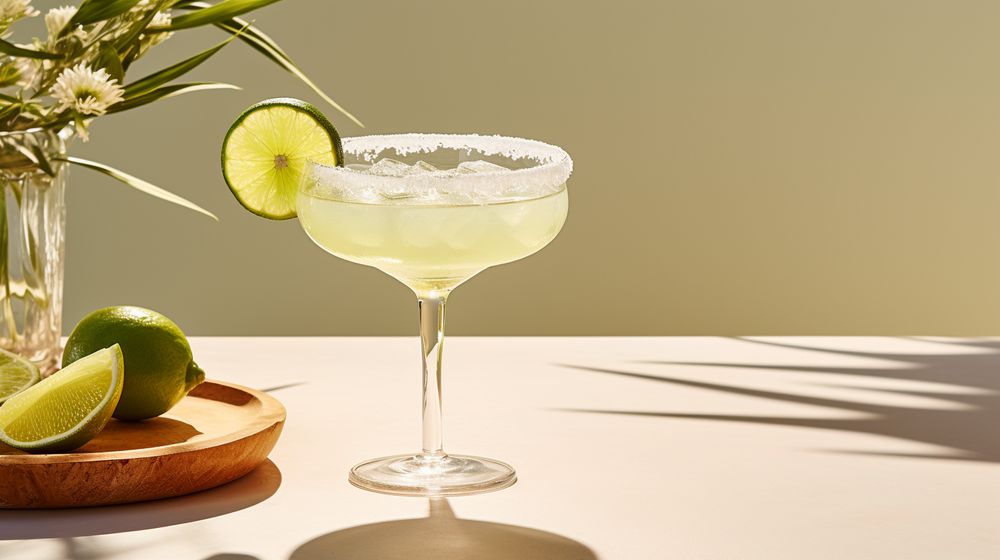
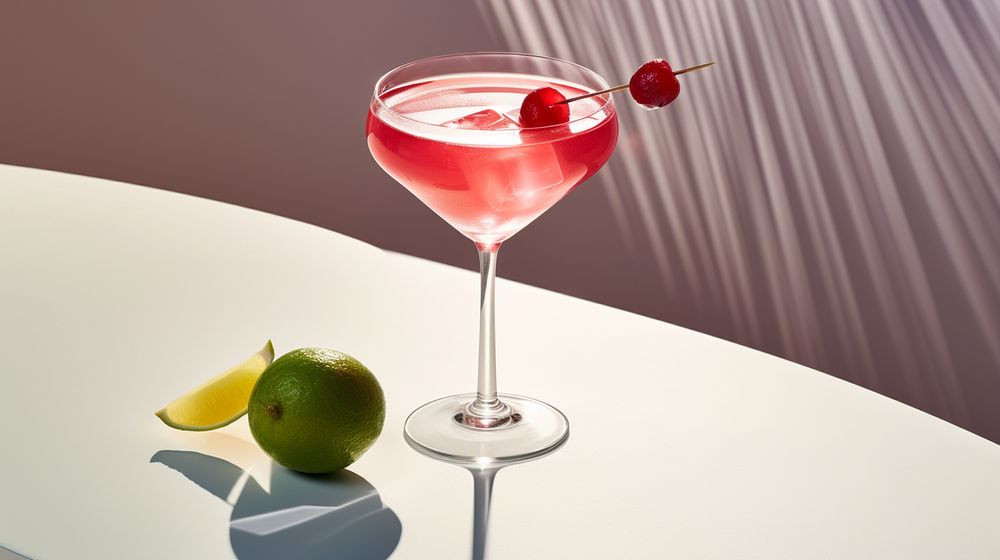
The Daiquiri is traditionally served in a cocktail glass, presenting its clear, light color and allowing the garnish to shine. A glass rimmer can be used to add a sugar rim for an extra touch of sweetness.
The Bloody Mary, on the other hand, is typically served in a highball glass, showcasing its vibrant red color. A garnish tray is essential for holding the variety of garnishes that can accompany this cocktail, from celery stalks to olives. Coasters are a must to prevent condensation rings on your bar or table.
Storage & Organization
Both cocktails benefit from an ice bucket & tongs for keeping and handling ice, and speed pourers for a steady, controlled pour of alcohol. A bar mat is useful for keeping your workspace clean, and a bar roll or tool bag helps organize your tools and make them easily accessible.
Garnishing & Fine Detailing
A cutting board & knife are essential for preparing garnishes for both cocktails. A peeler & zester can be used for adding citrus zest to the Daiquiri, while a citrus juicer is important for adding fresh lemon or lime juice to the Bloody Mary. An atomizer can be used to add a fine mist of additional flavor, like absinthe for the Bloody Mary.
Preservation & Enhancement
While not strictly necessary for these cocktails, a champagne stopper can be useful for preserving carbonated mixers, and a wine aerator and decanter can enhance the flavors of any wines used in other cocktails.
💡 While both the Daiquiri and Bloody Mary require a variety of barware and glassware for their preparation, serving, and presentation, the tools used highlight the different characteristics and flavors of these cocktails. The Daiquiri tools emphasize precision and clarity, while the Bloody Mary tools focus on mixing and enhancing complex flavors.
Versatility (Which occasion or season pairs best)
Daiquiri
The light and refreshing nature of a Daiquiri makes it a perfect cocktail for warmer seasons. It’s a great choice for a beach day, barbecue, or a summer music festival. The simplicity of its ingredients – rum, lime juice, and sugar – makes it an easy cocktail to serve at larger events like weddings or corporate parties. However, its elegance and tropical flair also make it suitable for more intimate occasions like date nights or girls’ nights out.
Bloody Mary
A Bloody Mary, with its robust and savory flavors, is a cocktail for all seasons. It’s a popular choice for brunch, making it a staple at family reunions, farewell parties, and welcome home parties. The versatility of a Bloody Mary also makes it a hit at holiday parties, particularly for New Year’s and Halloween. With its complex flavor profile, it can be a conversation starter at events like art galas or product launches.
| Daiquiri | Bloody Mary |
|---|---|
| Beach Day, Barbecue, Music Festival, Weddings, Corporate Parties, Date Night, Girls’ Night Out | Brunch, Family Reunion, Farewell Parties, Welcome Home Parties, New Year’s, Halloween, Art Galas, Product Launches |
💡 While both Daiquiri and Bloody Mary have their unique appeal, the Bloody Mary stands out in its versatility. Its savory nature allows it to pair well with a wider range of foods, making it a more flexible choice for various events and seasons.
Ingredient Accessibility
Procuring Daiquiri Ingredients
Locating and gathering the ingredients for a classic Daiquiri is a breeze. The core components are simple and readily available in most supermarkets or liquor stores. Here’s what you need:
- Rum – A staple in any liquor store.
- Lime juice – Fresh limes are available in any supermarket, or you can opt for bottled lime juice.
- Sugar – Another everyday item, found in any grocery store.
Procuring Bloody Mary Ingredients
While the Bloody Mary cocktail requires a few more ingredients than the Daiquiri, they are still relatively easy to find. However, some ingredients might require a trip to a specialty store. Here’s the list:
- Vodka – Available in any liquor store.
- Tomato juice – Found in most supermarkets, but quality can vary.
- Worcestershire sauce, Tabasco, salt, pepper, lemon juice – All of these are common household items, but if you’re missing any, a quick trip to the grocery store will solve the problem.
- Celery stalk, pickles, olives – These garnishes might require a visit to a specialty store, depending on your location.
💡 While both cocktails have easily accessible ingredients, the Bloody Mary might require a bit more effort due to the variety of garnishes. However, this also allows for more creativity and personalization in your cocktail creation.
Most Popular Cocktail Variations
Daiquiri Variations
Known for its refreshing blend of rum, lime juice, and sugar, the classic Daiquiri has inspired numerous tasty variations. Here are the top three:
- Hemingway Daiquiri: Named after Ernest Hemingway, this version replaces sugar with grapefruit juice and maraschino liqueur, delivering a tart and complex profile.
- Strawberry Daiquiri: This fruity twist adds fresh strawberries to the classic mix, creating a sweet and summery concoction.
- Banana Daiquiri: This creamy variation adds fresh bananas and cream of coconut for a tropical, dessert-like treat.
Bloody Mary Variations
The Bloody Mary, known for its savory blend of vodka, tomato juice, and spices, also boasts an array of unique variations. Here are the top three:
- Michelada: This Mexican twist on the Bloody Mary replaces vodka with beer and adds hot sauce for a spicy kick.
- Red Snapper: This version swaps vodka for gin, adding a botanical twist to the savory classic.
- Bloody Caesar: The Bloody Caesar adds clam juice to the mix, creating a briny and refreshing variation.
💡 While both Daiquiri and Bloody Mary have numerous variations, the key difference lies in their base spirits and flavors. Daiquiri variations tend to explore different fruits and sweetness levels, while Bloody Mary variations often play with savory and spicy elements.
Cost Comparison: Daiquiri vs Bloody Mary
Lower-End Brands
- Daiquiri: A budget-friendly Daiquiri can be whipped up with Bacardi Superior Rum ($12.99), lime juice ($2), and sugar ($1), totaling around $15.99.
- Bloody Mary: For a cost-effective Bloody Mary, you’ll need Smirnoff No. 21 Vodka ($13.99), tomato juice ($3), and a basic spice mix ($2), coming to a total of $18.99.
Mid-Range Brands
- Daiquiri: With Havana Club Añejo 3 Year Old Rum ($19.99), fresh limes ($4), and organic cane sugar ($3), a mid-range Daiquiri will cost you about $26.99.
- Bloody Mary: Using Absolut Vodka ($20.99), premium tomato juice ($5), and a gourmet spice mix ($4), a mid-tier Bloody Mary comes to around $29.99.
High-End Brands
- Daiquiri: A luxurious Daiquiri made with Diplomático Reserva Exclusiva Rum ($39.99), key limes ($6), and demerara sugar ($5) will set you back approximately $50.99.
- Bloody Mary: For a high-end Bloody Mary, you’ll need Grey Goose Vodka ($39.99), organic tomato juice ($7), and a deluxe spice mix ($6), totaling around $52.99.
Remember, the quality of your cocktail is not solely determined by the price of your ingredients. It’s about the balance of flavors and the skill of the mixologist.
💡 While both cocktails can be made on a budget, the Bloody Mary tends to be slightly more expensive due to the cost of its additional ingredients. However, the difference in price becomes less noticeable as you move up to mid-range and high-end brands.
Prep & Mix Time (Complexity of Preparation)
Daiquiri
- Total Preparation and Mixing Time: 5 minutes
- Complexity of Preparation: Easy
- Ingredient Preparation: Simple, only requires rum, lime juice, and simple syrup
- Mixing Techniques: Shaking with ice
Bloody Mary
- Total Preparation and Mixing Time: 10 minutes
- Complexity of Preparation: Medium
- Ingredient Preparation: More complex, requires a variety of ingredients including vodka, tomato juice, lemon juice, Worcestershire sauce, Tabasco, salt, pepper, and a celery stick for garnish
- Mixing Techniques: Stirring
Expert Tips
For a Daiquiri, always use fresh lime juice for the best flavor. For a Bloody Mary, feel free to experiment with different spices and garnishes to suit your taste.
💡 While both cocktails are relatively quick to prepare, the Daiquiri is simpler and faster due to its fewer ingredients and straightforward mixing technique. On the other hand, the Bloody Mary, with its array of ingredients and garnishes, offers more room for creativity and personalization.
Mixology Hacks for the Perfect Blend
Whether you’re crafting a refreshing Daiquiri or a savory Bloody Mary, these mixology hacks will elevate your cocktail game.
Muddling Right
Don’t pulverize the ingredients. Gentle muddling releases the essential oils without making your drink bitter. For a Daiquiri, muddle lime and sugar; for a Bloody Mary, muddle celery and lemon.
Ice Matters
Use large ice cubes for Bloody Mary to ensure slow dilution. For Daiquiri, crushed ice works best as it chills the drink quickly.
Shake vs Stir
Shake your Daiquiri to integrate the ingredients and create a frothy texture. Stir your Bloody Mary to keep the tomato juice’s consistency.
Balancing Act
Bloody Mary needs a balance of savory, salty, and spicy. Daiquiri requires a harmony of sweet, sour, and rum.
Herb Infusion
Infuse your Bloody Mary with rosemary for an aromatic twist. For Daiquiri, try basil for a refreshing change.
Aromatic Bitters
A dash of bitters can enhance the complexity of your Daiquiri. Bloody Mary doesn’t typically require bitters.
Smoke Effects
Smoked paprika can give a smoky edge to your Bloody Mary. Daiquiri doesn’t suit smoke flavors.
Double Straining
Double strain your Daiquiri to remove all the small ice chips and fruit pulp. Bloody Mary doesn’t require straining.
Perfect Presentation
Present your Bloody Mary with a celery stalk and a lemon wedge. Serve Daiquiri in a chilled glass with a lime wheel.
Glassware
Use a highball glass for Bloody Mary and a coupe glass for Daiquiri.
Garnish Game
Go wild with Bloody Mary garnishes – think pickles, olives, or even bacon. Keep Daiquiri garnishes simple with a lime wheel or a cherry.
Temperature
Serve Bloody Mary chilled but not ice-cold. Daiquiri should be served as cold as possible.
Crafting Signature Cocktails at Home
Experiment with different types of rum for Daiquiri and various hot sauces for Bloody Mary. Make them your own!
Mixology Techniques for Beginners
Start with mastering the shake for Daiquiri and the stir for Bloody Mary. Practice makes perfect!
How to Balance Flavors in a Cocktail
For Bloody Mary, adjust the hot sauce, Worcestershire sauce, and lemon juice. For Daiquiri, tweak the lime juice and simple syrup.
Clarified Cocktails
Try a clarified milk punch version of Daiquiri for a silky texture. Bloody Mary is best enjoyed in its classic form.
Dehydrated Garnish
Dehydrated lime wheels make a stylish and sustainable Daiquiri garnish. Dehydrated tomato can be a unique garnish for Bloody Mary.
Freeze & Squeeze
Freeze your Bloody Mary mix in ice cube trays for a quick and easy cocktail. Squeeze fresh lime juice for your Daiquiri and freeze it for later.
💡 A well-crafted cocktail is more than the sum of its parts. It’s a harmony of flavors, a visual treat, and an experience to savor. Whether it’s a Daiquiri or a Bloody Mary, mastering these mixology hacks will ensure every sip is a delight.
Alcohol Content and Alcohol-Free Alternatives
Daiquiri Alcohol Content
A classic Daiquiri cocktail generally contains 13.3% Alcohol by Volume (ABV). This is primarily due to the use of rum as the main ingredient. However, the alcohol content can vary based on the type of rum used and the bartender’s pour.
Bloody Mary Alcohol Content
On the other hand, a standard Bloody Mary cocktail has an alcohol content of around 10% ABV, owing to the use of vodka as its base spirit. Again, this percentage can fluctuate depending on the vodka’s strength and the drink’s overall preparation.
Alcohol-Free Alternatives
If you’re looking for a non-alcoholic version of these cocktails, you’re in luck! Here are some fantastic mocktail alternatives:
| Daiquiri Mocktail | Bloody Mary Mocktail |
|---|---|
| Nix the rum and blend together fresh lime juice, sugar syrup, and a dash of soda water to create a refreshing Virgin Daiquiri. | Simply omit the vodka and add more tomato juice, Worcestershire sauce, and spices to create a savory Virgin Bloody Mary. |
💡While both cocktails have similar alcohol content, the Daiquiri and Bloody Mary offer contrasting taste experiences. The Daiquiri, with its sweet and sour profile, is perfect for a hot summer day, while the Bloody Mary, with its savory and spicy notes, is a great brunch companion. So, choose based on your flavor preference and the occasion, not just the alcohol content.
Nutritional Information (Calories Content, Allergy Information, and more)
Caloric Intake
When it comes to caloric intake, the Daiquiri and Bloody Mary are quite different. A standard Daiquiri has around 130 calories, while a Bloody Mary can have up to 200 calories, depending on the mixers used.
Spirits and Mixers
The main spirit in a Daiquiri is rum, while Bloody Marys are vodka-based. Mixers also differ significantly, with Daiquiris typically containing lime juice and sugar, and Bloody Marys featuring tomato juice and a variety of spices.
Sugar Content and Simple Syrups
Daiquiris are known for their sweetness, with about 6 grams of sugar per serving. On the other hand, Bloody Marys have a lower sugar content, with only about 4 grams per serving.
Carbohydrates, Proteins, and Fats
Both cocktails are low in proteins and fats. However, due to their mixers, Bloody Marys contain more carbohydrates than Daiquiris.
Allergens and Other Factors
Those with gluten allergies can safely enjoy both Daiquiris and Bloody Marys, as both cocktails are typically gluten-free. However, those with tomato allergies should avoid Bloody Marys.
Vitamins and Minerals
Bloody Marys are rich in Vitamin C and lycopene due to the tomato juice, while Daiquiris, made with fresh lime juice, also provide some Vitamin C.
Low-Calorie and Sugar-Free Options
For a lower calorie option, consider a Daiquiri without the sugar or a Bloody Mary with a low-sodium tomato juice. Sugar-free options include a Daiquiri made with a sugar substitute or a Bloody Mary with fresh tomato juice.
💡 While both cocktails have their own unique nutritional profiles, it’s always best to enjoy them in moderation. Remember, the key to a healthy lifestyle is balance!
Facts
Daiquiri
- Origin: The Daiquiri was born in Cuba in the early 1900s and was named after a beach and an iron mine near Santiago de Cuba.
- Ingredients: A classic Daiquiri consists of just three ingredients – rum, citrus (usually lime), and sweetener.
- Taste: The Daiquiri is known for its sweet and sour balance, with the tartness of the lime juice complemented by the sweetness of the sugar and the robust flavor of the rum.
Bloody Mary
- Origin: The Bloody Mary is believed to have been invented in the 1920s or 1930s, with many attributing its creation to Fernand Petiot, a bartender at Harry’s New York Bar in Paris.
- Ingredients: The Bloody Mary is a vodka-based cocktail and also includes tomato juice, lemon juice, Worcestershire sauce, Tabasco, salt, and pepper. It’s often garnished with a celery stalk and a lime wedge.
- Taste: The Bloody Mary is famous for its savory, spicy, and tangy flavors. The tomato juice provides a hearty base, while the other ingredients add depth and complexity.
| Daiquiri | Bloody Mary |
|---|---|
| Rum-based | Vodka-based |
| Sweet and sour | Savory and spicy |
| Simple ingredients | Complex ingredients |
Whether you prefer the sweet and sour simplicity of the Daiquiri or the complex, savory depth of the Bloody Mary, both cocktails offer a unique drinking experience.
💡 Unique Insight: Despite their differences, both the Daiquiri and Bloody Mary share a common trait – they were both created as a means to make hard liquor more palatable. The Daiquiri’s sweetness masks the harshness of the rum, while the Bloody Mary’s savory and spicy flavors do the same for vodka.
Frequently Asked Questions: Daiquiri vs Bloody Mary
What are the main ingredients in a Daiquiri and a Bloody Mary?
The Daiquiri is a simple cocktail that consists of rum, fresh lime juice, and simple syrup. On the other hand, the Bloody Mary is a more complex cocktail, typically made with vodka, tomato juice, Worcestershire sauce, Tabasco, salt, pepper, lemon juice, and a celery stalk for garnish.
How are these cocktails prepared?
Daiquiris are shaken with ice and then strained into a chilled glass. Bloody Marys are stirred in a highball glass filled with ice and garnished with a celery stalk and, often, a slice of lemon or lime.
What brands of alcohol are commonly used?
For Daiquiris, Bacardi and Havana Club are popular rum choices. For Bloody Marys, vodka brands like Smirnoff, Absolut, and Grey Goose are often used.
What barware and glassware are needed?
To make a Daiquiri, you’ll need a cocktail shaker, a strainer, and a chilled coupe glass. For a Bloody Mary, you’ll need a highball glass, a long spoon for stirring, and a cocktail stick for the garnish.
What foods pair well with these cocktails?
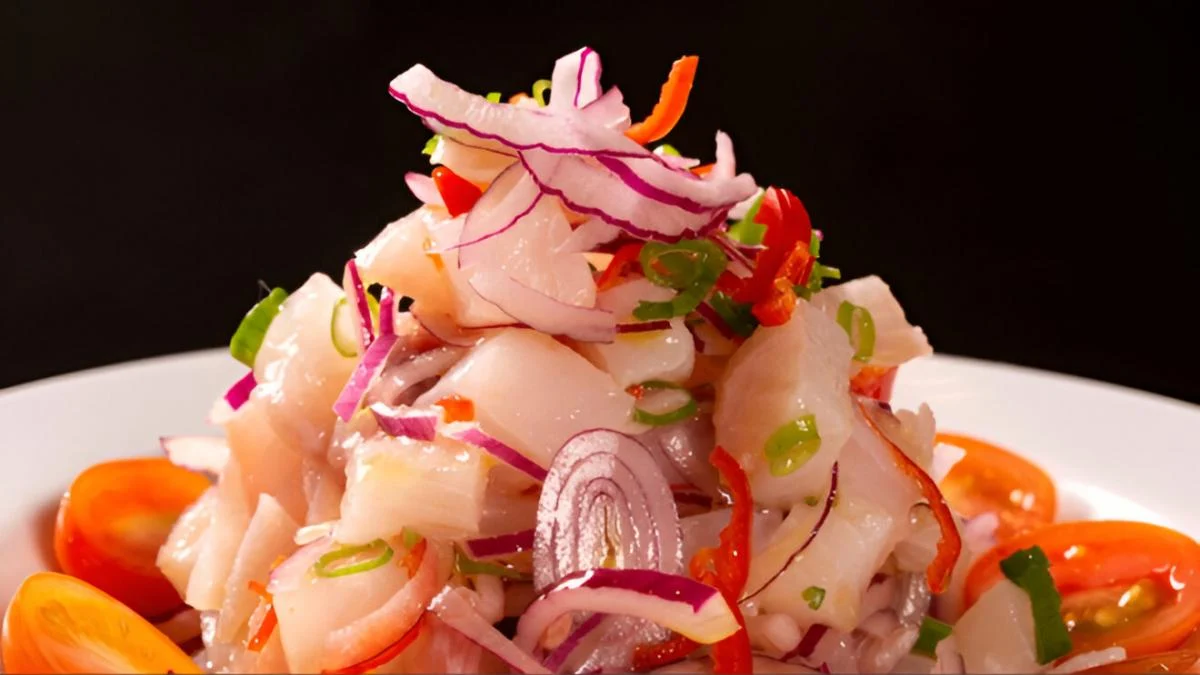
Daiquiris pair well with light, tropical dishes like ceviche or grilled shrimp. Bloody Marys, with their savory flavor, often accompany brunch dishes like eggs Benedict or smoked salmon bagels.
What’s the visual presentation like?
The Daiquiri is a clear, pale cocktail often garnished with a lime wheel. The Bloody Mary is a tall, red cocktail garnished with a celery stalk and sometimes additional garnishes like olives, pickles, or even bacon strips.
What’s the nutritional information?
A typical Daiquiri contains around 130 calories and no allergens, while a Bloody Mary has about 180 calories. The Bloody Mary contains allergens like celery and wheat (from the Worcestershire sauce).
What’s the making cost?
The cost of making a Daiquiri is generally lower due to its fewer ingredients. The Bloody Mary, with its more complex recipe, can cost more to make.
What’s the alcohol content?
Both cocktails have a similar alcohol content, around 20-25% ABV, depending on the specific recipe and the brands of alcohol used.
Unique Insight: Despite their differences, both the Daiquiri and the Bloody Mary have stood the test of time due to their distinct flavors and the versatility they offer to bartenders and cocktail enthusiasts alike.