Mimosa vs Negroni: A Taste Profile Showdown
Basic Tastes
Mimosa: Sweet and sour, with a hint of bitterness from the champagne. No saltiness or umami detected. No spiciness.
Negroni: Bitter and sweet, with a hint of sourness from the vermouth. No saltiness or umami. Slight spiciness from the gin.
Other Taste Profile Factors
- Mimosa: Aroma of fresh oranges, light and bubbly texture, served chilled, smooth mouthfeel, crisp aftertaste.
- Negroni: Aroma of bitter herbs, smooth texture, served at room temperature, full-bodied mouthfeel, lingering aftertaste.
Considerations
| Mimosa | Negroni |
|---|---|
| Balance: Sweet and sour harmonize. | Balance: Bitterness dominates. |
| Harmony: Champagne and orange juice blend seamlessly. | Harmony: Gin, vermouth, and Campari create a complex mix. |
| Complexity: Simple and straightforward. | Complexity: Intricate and layered. |
| Intensity: Light and refreshing. | Intensity: Bold and robust. |
| Contrast: Minimal, with flavors blending well. | Contrast: High, with distinct layers of flavors. |
💡 Despite their contrasting taste profiles, both Mimosa and Negroni can be paired with a range of food options. Mimosa works well with brunch dishes, while Negroni complements rich, savory dinners.
Mimosa vs Negroni: A Deep Dive into Barware and Glassware
Mixing & Preparation
For the refreshing Mimosa, a cocktail shaker, jigger, and ice molds are your best friends. On the other hand, the bitter-sweet Negroni requires a mixing glass, bar spoon, and Hawthorne strainer for a perfect blend of its three distinct ingredients.
Serving & Presentation
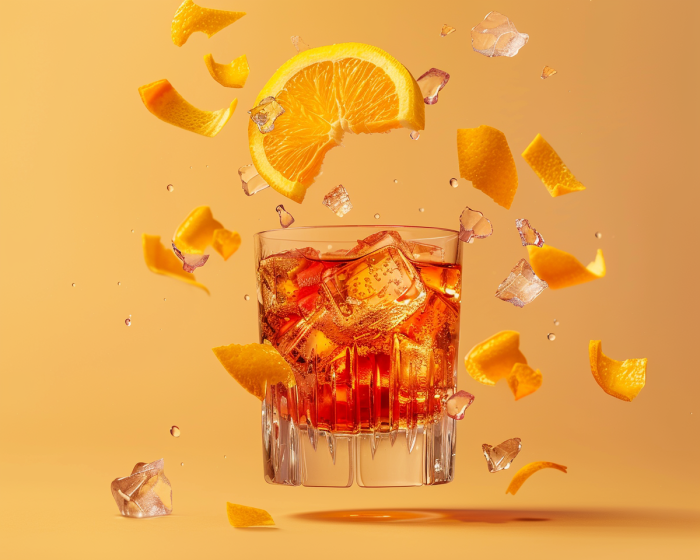
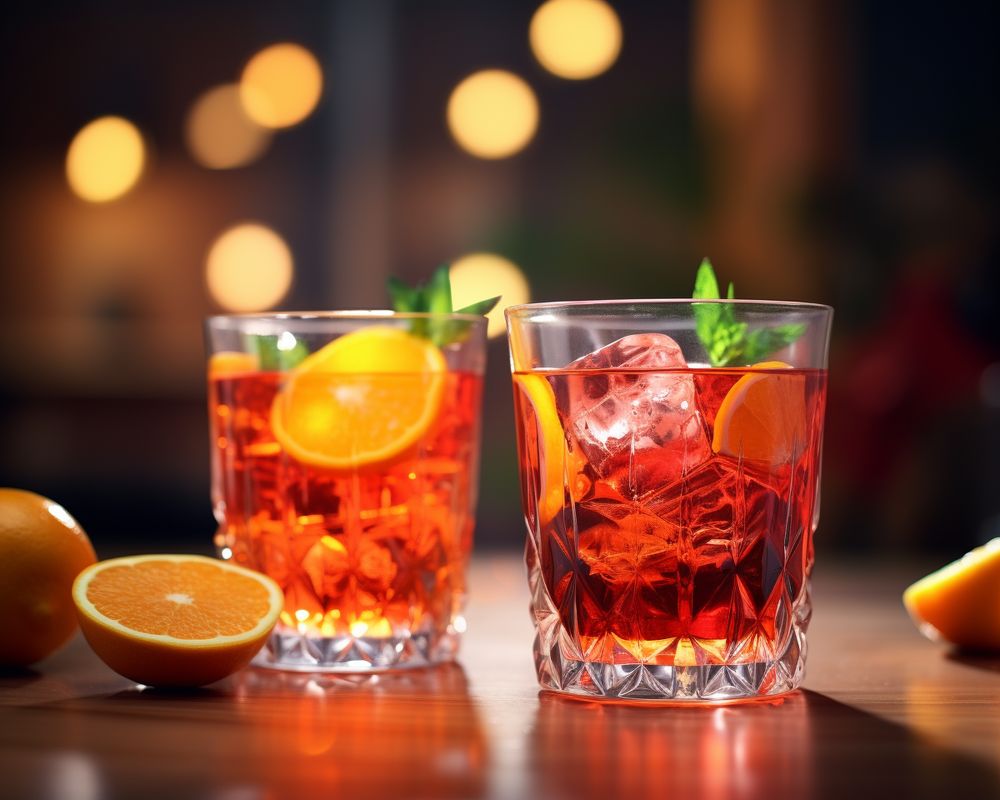
The Mimosa shines in a tall champagne flute, allowing its effervescence to be on full display. In contrast, the Negroni finds its home in a lowball glass, presenting its ruby red color and ice-cold serving temperature.
Storage & Organization
Speed pourers and liquor pour spouts are essential for both cocktails, ensuring precise and quick serving. An ice bucket & tongs are also crucial, especially for the Negroni’s need for chilled ice.
Garnishing & Fine Detailing
A peeler & zester, along with a cutting board & knife, are necessary for the Mimosa’s fresh orange garnish. The Negroni, however, requires a channel knife for its iconic twist of orange peel.
Preservation & Enhancement
A champagne stopper is a must-have for preserving the Mimosa’s key ingredient – champagne. For the Negroni, a decanter can be used for those who prefer a smoother, aged version of this classic cocktail.
💡While both the Mimosa and Negroni require a variety of barware and glassware, the Mimosa’s tools lean more towards serving and preservation, reflecting its light, brunch-time nature. The Negroni’s tools, however, emphasize mixing & preparation, mirroring its complex, layered flavors.
Cocktails Versatility: Mimosa vs Negroni
Occasion Pairing
When it comes to occasion pairing, Mimosas are the go-to choice for brunches, engagement parties, and beach days due to their light and refreshing nature. On the other hand, Negronis, with their bitter yet balanced flavor, are perfect for date nights, corporate parties, and farewell parties.
Event Pairing
Mimosas are a staple at weddings, baby showers, and Easter celebrations. Their bubbly and citrusy taste makes them a crowd-pleaser. Negronis, with their sophisticated flavor profile, are an excellent choice for art galas, product launches, and themed parties.
Season Pairing
Mimosas, with their bright, citrusy notes, are perfect for a sunny spring or summer day. The Negroni, with its robust and bitter flavor, is better suited for the cooler autumn and winter months.
| Mimosa | Negroni |
|---|---|
| Brunch, Engagement Parties, Beach Days | Date Nights, Corporate Parties, Farewell Parties |
| Weddings, Baby Showers, Easter | Art Galas, Product Launches, Themed Parties |
| Spring, Summer | Autumn, Winter |
💡 While both cocktails have their unique charm, the Mimosa’s versatility makes it a more accessible cocktail for various occasions and events. However, the Negroni’s rich flavor profile makes it an intriguing choice for those desiring a more adventurous cocktail experience.
Mimosa vs Negroni: Ingredient Accessibility
Mimosa Ingredients
- Champagne
- Orange Juice
The Mimosa is a cocktail that’s simple to make with only two key ingredients: Champagne and orange juice. These ingredients are relatively easy to find in most local grocery stores, making it a convenient choice for cocktail enthusiasts and newbies alike.
Negroni Ingredients
- Gin
- Campari
- Sweet Vermouth
On the other hand, the Negroni requires three ingredients: gin, Campari, and sweet vermouth. While gin is commonly available, Campari and sweet vermouth may not be as easy to locate in some areas, potentially making it a bit more challenging for those new to the cocktail scene.
Remember, the quality of your ingredients can significantly impact the taste of your cocktail. Choose wisely!
| Mimosa | Negroni |
|---|---|
| Easy to find ingredients | Potentially challenging to find all ingredients |
💡 While the Negroni may require a bit more effort to gather the ingredients, it offers a complex flavor profile that adventurous cocktail enthusiasts might appreciate. The Mimosa, with its easy-to-find ingredients, is perfect for those seeking a simple, refreshing drink.
Mimosa vs Negroni: A Dive into Cocktail Variations
Mimosa Variations
- Classic Mimosa: A simple, refreshing blend of chilled champagne and fresh orange juice.
- Strawberry Mimosa: Add a touch of strawberry puree to your classic Mimosa for a fruity twist.
- Coconut Mimosa: Swap orange juice with coconut water and garnish with a slice of lime for a tropical twist.
Negroni Variations
- Classic Negroni: A balanced mix of gin, Campari, and sweet vermouth, stirred with ice and garnished with an orange peel.
- Negroni Sbagliato: Replace gin with sparkling wine for a lighter, bubblier Negroni.
- White Negroni: Use Lillet Blanc and Suze in place of vermouth and Campari for a lighter, less bitter version.
| Mimosa | Negroni |
|---|---|
| Light, fruity, and brunch-friendly | Bitter, strong, and aperitif-appropriate |
| Champagne-based | Gin-based |
| Best served in a champagne flute | Best served in an old-fashioned glass |
“The art of mixology is all about experimentation. Don’t be afraid to mix and match flavors to find your perfect cocktail variation!”
💡 While both cocktails have their unique charms, the Negroni offers more versatility in terms of flavor profiles and complexity, making it a favorite among mixologists.
Mimosa vs Negroni: A Cost Comparison
Cost of Making a Mimosa
Mimosas are a less expensive cocktail to make, mainly because they require fewer ingredients. Here’s a list of the best options, from lower to higher brands:
- Andre Brut Champagne – $6.99
- Simply Orange Juice – $3.99
- Moet & Chandon Imperial Brut Champagne – $59.99
- Florida’s Natural Orange Juice – $3.49
Cost of Making a Negroni
Negronis, being a more complex cocktail, require more ingredients and thus are more expensive to make. Here’s a list of the best options, from lower to higher brands:
- Gordon’s London Dry Gin – $14.99
- Martini Rosso Vermouth – $7.99
- Campari – $27.99
- Tanqueray London Dry Gin – $26.99
- Antica Formula Vermouth – $34.99
💡 While Mimosas are cheaper to make, the cost can quickly rise with the use of high-end champagne. On the other hand, Negronis, despite being more expensive, offer a more complex flavor profile, offering value for money.
Prep & Mix Time: Mimosa vs Negroni
Mimosa Preparation
- Total Preparation: 3 minutes
- Mixing Time: 1 minute
- Complexity of Preparation: Easy
- Ingredient Preparation: Chill champagne and orange juice
- Mixing Techniques: Pour and stir
- Presentation: Served in a champagne flute
- Set up: Champagne, orange juice, and flute
- Cleanup: Rinse flute and stirrer
- Waiting Time: None
Negroni Preparation
- Total Preparation: 5 minutes
- Mixing Time: 2 minutes
- Complexity of Preparation: Medium
- Ingredient Preparation: Chill gin, vermouth, and Campari
- Mixing Techniques: Stir over ice, strain
- Presentation: Served in an old-fashioned glass
- Set up: Gin, vermouth, Campari, ice, and glass
- Cleanup: Rinse glass, stirrer, and strainer
- Waiting Time: None
Expert Tips
For a Mimosa, use fresh orange juice for the best taste. For a Negroni, use a high-quality gin for a smoother finish.
💡 While both cocktails are quick to prepare, the Mimosa is the easier of the two, making it an excellent choice for beginners. The Negroni, however, offers a more complex flavor profile for those looking to expand their cocktail repertoire.
Mixology Hacks for the Perfect Blend: Mimosa vs Negroni
Muddling Right
For a Mimosa, muddling isn’t required as the cocktail is a simple blend of champagne and orange juice. However, for a Negroni, muddling the orange peel releases essential oils, enhancing the cocktail’s flavor.
Ice Matters
Negroni is typically served over ice, while a Mimosa is served chilled without ice. The type of ice used can significantly impact the drink’s dilution rate and temperature.
Shake vs Stir
Mimosas are gently stirred to preserve the champagne’s effervescence. In contrast, Negronis are stirred, not shaken, to avoid dilution and maintain the cocktail’s robust flavor.
Balancing Act
While a Mimosa’s balance comes from the sweetness of the orange juice and the tartness of the champagne, a Negroni requires a more complex balancing act between the bitter Campari, sweet Vermouth, and strong Gin.
Herb Infusion
Herb infusions aren’t typically used in either cocktail. However, a sprig of rosemary or thyme could add an unexpected twist to your Mimosa or Negroni.
Aromatic Bitters
While a Mimosa doesn’t require bitters, a Negroni isn’t complete without a dash of aromatic bitters to enhance its complex flavor profile.
Smoke Effects
Smoke effects are not traditionally part of either cocktail. But for a dramatic presentation, a smoked Negroni could be a showstopper.
Double Straining
Double straining is not required for these cocktails as they don’t contain ingredients that need to be filtered out.
Perfect Presentation
A Mimosa is typically served in a tall champagne flute, while a Negroni is served in an old-fashioned glass with a single large ice cube and an orange peel garnish.
Glassware
Choosing the right glass is essential. Mimosas look best in champagne flutes, while Negronis are traditionally served in short, wide-rimmed glasses.
Garnish Game
A simple orange slice or twist works for both cocktails. However, a cherry garnish can add an extra touch to a Negroni.
Temperature
Both cocktails should be served cold. A Mimosa should be chilled in the refrigerator, while a Negroni should be stirred with ice before straining into a glass.
Crafting Signature Cocktails at Home
With these tips and techniques, you can easily craft these classic cocktails at home and impress your guests with your mixology skills.
💡 While both Mimosa and Negroni are popular cocktails, their preparation techniques and flavor profiles are vastly different. Understanding these differences can help you appreciate the art of mixology and enhance your cocktail-making skills.
Comparing Mimosa and Negroni: A Deep Dive into Alcohol Content
Mimosa: A Light and Bubbly Delight
The Mimosa, a brunch favorite, is a cocktail that’s light on the alcohol. It’s typically made with equal parts of champagne and orange juice, resulting in an alcohol by volume (ABV) percentage of around 6-12%. This makes it a great option for those who prefer a less potent drink.
Negroni: A Strong and Bold Choice
On the other hand, the Negroni is a cocktail for those who enjoy a stronger drink. Composed of equal parts gin, vermouth, and Campari, this cocktail boasts a much higher ABV of approximately 24%. Its bold, bitter taste is not for the faint of heart.
Alcohol-Free Alternatives: Mocktails
If you’re looking for alcohol-free alternatives, both the Mimosa and Negroni have their mocktail versions. For a non-alcoholic Mimosa, simply replace the champagne with a sparkling white grape juice. For a Negroni, there are non-alcoholic spirits available that mimic the flavors of gin and vermouth, and you can use a bitter aperitif syrup in place of Campari.
| Cocktail | ABV% |
|---|---|
| Mimosa | 6-12% |
| Negroni | 24% |
💡 While the Negroni has a higher alcohol content, the Mimosa is often consumed in larger quantities due to its lighter taste and lower ABV. Therefore, it’s possible to consume more alcohol overall with Mimosas, especially during a long brunch.
Nutritional Information: Mimosa vs Negroni
Caloric Intake
- Mimosa: Approximately 150 calories per serving
- Negroni: Around 200 calories per serving
Spirits and Mixers
Mimosa combines champagne and orange juice, while Negroni is a blend of gin, vermouth, and Campari.
Sugar Content and Simple Syrups
- Mimosa: Naturally sweet due to the orange juice, no additional sugar required.
- Negroni: Contains sugar from the Campari and vermouth.
Carbohydrates and Proteins
Mimosas have about 15g of carbs and negligible protein. Negronis, on the other hand, contain about 20g of carbs and no protein.
Fats and Vitamins
- Mimosa: Virtually fat-free, with a good dose of Vitamin C from the orange juice.
- Negroni: Negligible fat content, but lacks the vitamin punch of a Mimosa.
Allergens and Other Factors
Both cocktails are gluten-free, but Negronis contain nuts, which can be an allergen for some. Mimosas, with their citrus base, can be a better option for those with specific dietary requirements.
Low-Calorie and Sugar-Free Options
- Light Mimosa: Use a light champagne and freshly squeezed orange juice for a lower-calorie, lower-sugar option.
- Negroni Sbagliato: Swap the gin for sparkling wine to reduce the calorie and sugar content.
💡 Despite the higher calorie count, a Negroni’s more complex flavor profile and higher alcohol content can make it a more satisfying choice for those who prefer a stronger cocktail. However, for those watching their sugar intake or seeking a refreshing, vitamin-rich option, the Mimosa is the clear winner.
High Quality Facts: Mimosa vs Negroni
Ingredients and Preparation
- Mimosa: A classic Mimosa requires two simple ingredients – Champagne and freshly squeezed orange juice. The ideal ratio is 50:50, but you can adjust it according to your taste. It’s traditionally served in a tall champagne flute.
- Negroni: This cocktail is a blend of equal parts gin, sweet vermouth, and Campari. Stirred with ice and garnished with an orange peel, it’s served in an old-fashioned glass.
Taste Profile
- Mimosa: Mimosas are light, citrusy, and slightly sweet. They are known for their refreshing and bubbly nature.
- Negroni: Negronis are bitter, aromatic, and complex in flavor. They are well-balanced and have a strong character.
Occasion
- Mimosa: This cocktail is a brunch staple and is often associated with celebrations and festive events.
- Negroni: Negroni is a classic aperitif, typically enjoyed before a meal to stimulate the appetite.
Origin
- Mimosa: Mimosas were first created in Paris around 1925, a popular choice at the Ritz Hotel.
- Negroni: The Negroni traces back to Florence, Italy in 1919, named after Count Camillo Negroni who first ordered it.
💡 The Mimosa and Negroni, while both iconic, cater to vastly different taste profiles and occasions. The Mimosa, with its light and fruity flavor, is perfect for daytime and celebratory events, while the Negroni, with its complex and bitter taste, is ideal for evening and more formal occasions. Knowing the difference can help you choose the right cocktail for the right moment.
Mimosa vs Negroni: A Comprehensive Comparison
What are the key ingredients of Mimosa and Negroni?
A Mimosa is a simple and elegant cocktail made with equal parts of champagne and freshly squeezed orange juice. On the other hand, a Negroni is a more complex drink, consisting of equal parts of gin, Campari, and sweet vermouth.
How are Mimosa and Negroni prepared?
Mimosas are usually prepared in a champagne flute, with champagne poured first followed by orange juice. Negronis are stirred in a mixing glass with ice, and then strained into a chilled cocktail glass.
What alcohol brands are best for Mimosa and Negroni?
For Mimosas, a dry champagne like Moët & Chandon or Veuve Clicquot is ideal. For Negronis, a London dry gin such as Tanqueray or Beefeater, along with Campari and Martini Rosso vermouth, works best.
What barware and glassware are needed for Mimosa and Negroni?
A champagne flute is the traditional choice for serving Mimosas, while a rocks glass or an old-fashioned glass is preferred for Negronis. A bar spoon and a strainer are also needed for preparing a Negroni.
What are the ideal food pairings for Mimosa and Negroni?
Mimosas are a classic choice for brunch, pairing well with light dishes like eggs Benedict or fresh fruit. Negronis, with their bitter and complex flavor, pair well with rich, fatty foods like cheese and charcuterie.
How are Mimosa and Negroni presented visually?
Mimosas are bright and bubbly, often served with a slice of orange or strawberry for garnish. Negronis are deep red in color, usually garnished with a slice of orange peel.
What is the nutritional information for Mimosa and Negroni?
A standard Mimosa contains about 75 calories, while a Negroni has around 150 calories. Both drinks are gluten-free, but those with citrus allergies should avoid Mimosas.
What is the cost of making Mimosa and Negroni?
The cost of making a Mimosa can vary depending on the quality of the champagne, but it’s generally less expensive than a Negroni, which requires three different types of alcohol.
What is the alcohol content (ABV percentage) of Mimosa and Negroni?
The alcohol content of a Mimosa is about 6-12%, while a Negroni is much stronger, with an ABV of around 24%.
Unique Insight: While Mimosas and Negronis may seem quite different, they both embody the essence of their origins – the casual elegance of a French brunch for the Mimosa, and the bold, complex flavors of an Italian aperitivo for the Negroni.