Popular Fruity Cocktails
Sex on the Beach
This cocktail is a delightful combination of vodka, peach schnapps, orange and cranberry juice. It’s sweet, fruity, and refreshing, perfect for a day at the beach or a summer party.
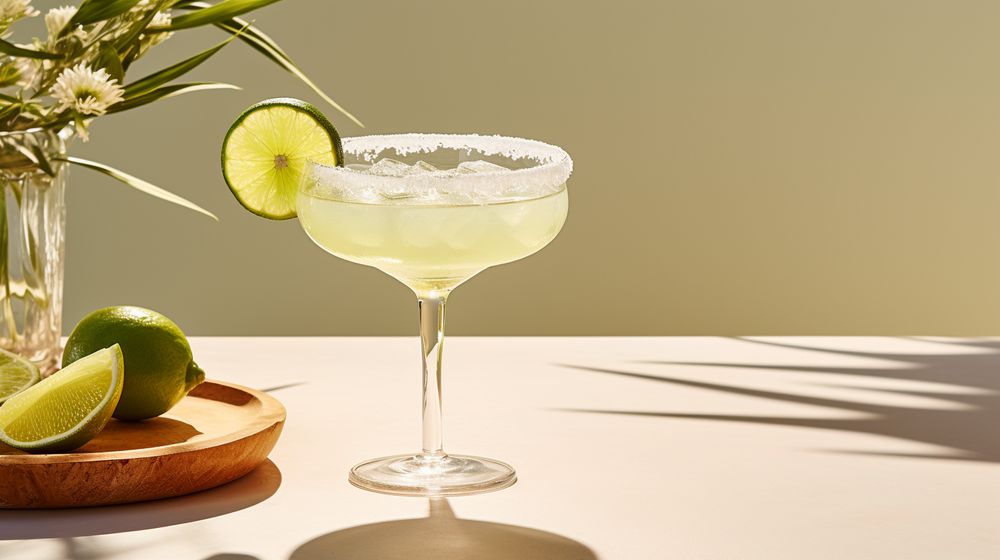
Margarita
A classic cocktail, the Margarita combines tequila, lime juice, and Cointreau. It’s tart, sweet, and slightly salty, providing a balanced and invigorating taste.
Strawberry Daiquiri
This fruity cocktail is a blend of rum, lime juice, and strawberries. It’s sweet, tangy, and refreshing, making it a perfect drink for a hot summer day.
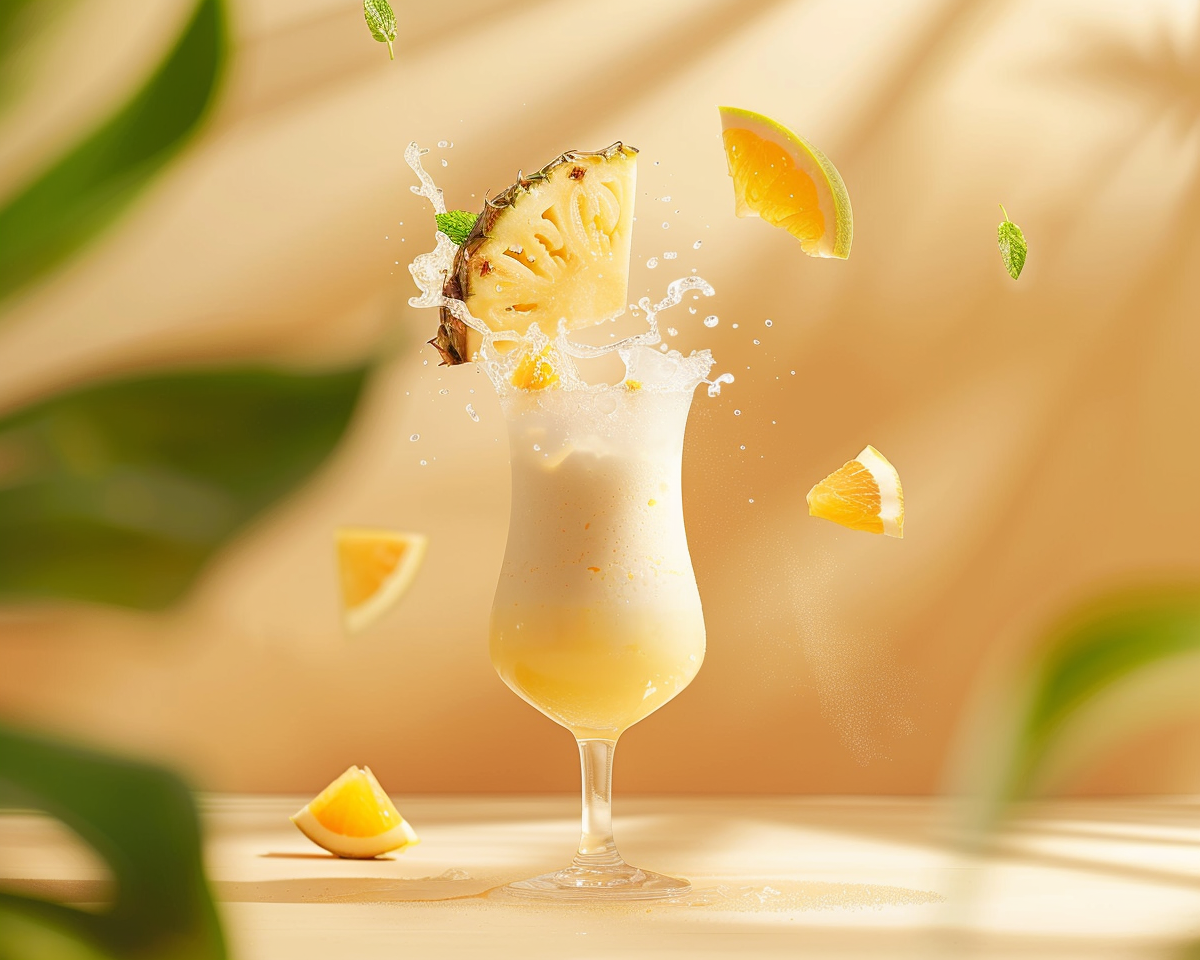
Piña Colada
The Piña Colada is a tropical cocktail made with rum, coconut cream, and pineapple juice. It’s creamy, sweet, and slightly tart, transporting you to a tropical island with each sip.
Blue Lagoon
The Blue Lagoon cocktail combines vodka, blue curaçao, and lemonade, resulting in a sweet, slightly tart, and visually striking drink.
Mai Tai
The Mai Tai is a tropical cocktail that combines rum, orange curaçao, lime juice, and orgeat syrup. It’s a balanced blend of sweet, tart, and nutty flavors.
Raspberry Collins
The Raspberry Collins is a refreshing cocktail made with gin, lemon juice, raspberry syrup, and soda water. It’s sweet, tart, and fizzy, making it a perfect drink for a hot summer day.
Fruity Cocktails: A Flavor Profile Journey
Dive into the vibrant world of fruity cocktails, where each sip is a burst of flavor, a symphony of sweet, sour, and sometimes even a hint of bitterness. Let’s explore the different categories of flavors one can experience in these delightful concoctions.
The Basic Tastes of Fruity Cocktails
At their core, fruity cocktails embody a balance of the following basic tastes:
- Sweetness: Derived from ripe fruits like strawberries, and peaches, or the addition of sweeteners like simple syrup.
- Sourness: Often comes from citrus fruits like lemon or lime.
- Bitterness: Can be introduced via certain fruits like grapefruit, or through the use of bitters.
Highlighting and Balancing Flavor Elements
In the art of cocktail creation, balancing flavors is key. For instance, the sweetness of a ripe peach can be perfectly offset by the sourness of a fresh lime squeeze. Similarly, the bitterness from a dash of bitters can add depth to a cocktail dominated by sweeter fruit flavors.
Complementary Ingredients
Complementary ingredients like herbs, spices, and even other spirits can introduce additional flavor dimensions to fruity cocktails. For instance:
| Ingredient | Flavor Introduced |
|---|---|
| Mint | Refreshing coolness |
| Cinnamon | Warm, sweet spice |
| Gin | Botanical notes |
💡 Remember, the beauty of fruity cocktails lies in their versatility. Don’t be afraid to experiment with different flavor combinations to create your own signature cocktail!
Fruity Cocktails: Exploring the World of Base Spirits
Base spirits play a crucial role in shaping the taste, aroma, and overall experience of fruity cocktails. Let’s delve deep into the fascinating world of base spirits and their interplay with fruity ingredients.
Most Commonly Used Base Spirits in Cocktails
- Rum: A versatile spirit, rum pairs well with a variety of fruity flavors, offering a sweet and smooth taste.
- Vodka: Its neutral taste makes it a perfect base for any fruity cocktail, allowing other flavors to shine.
- Gin: Known for its herbal notes, gin complements citrus and berry flavors exceptionally well.
The Impact of Base Spirits on Fruity Cocktails
Different base spirits can drastically alter the flavor profile of your fruity cocktail. For instance, rum can lend a tropical vibe, gin might add a botanical twist, while vodka keeps the focus on the fruit.
Substituting Base Spirits in Fruity Cocktails
While you can substitute one base spirit for another, it’s essential to remember that this can significantly change the cocktail’s taste. For example, replacing gin with vodka in a fruity cocktail will remove the herbal notes and make the fruit flavors more prominent.
Noteworthy Brands for Fruity Cocktails
Bacardi for rum-based cocktails, Smirnoff for vodka-infused drinks, and Tanqueray for gin-centric concoctions are some of the preferred brands for crafting delightful fruity cocktails.
Fruity Cocktails that Showcase the Base Spirit
| Cocktail | Base Spirit |
|---|---|
| Mojito | Rum |
| Martini | Gin |
| Greyhound | Vodka |
💡 Remember, while the choice of base spirit is essential, the quality of your fruit ingredients can make or break your fruity cocktail. Always opt for fresh, in-season fruits for the best taste and aroma.
Fruity Cocktails Ingredients: Your Guide to Vibrant Mixology
Unleash the full potential of your fruity cocktails by understanding the key ingredients that contribute to their unique flavors. From spirits to sweeteners, we dive deep into the world of mixology to bring you the ultimate guide to fruity cocktail ingredients.
The Role of Spirits in Fruity Cocktails
Spirits are the backbone of any cocktail. In fruity cocktails, they can either complement or contrast with the fruit flavors. For instance, rum’s sweet notes pair well with tropical fruits, while vodka’s neutral taste lets the fruit flavors shine through.
Ingredients that Bring Out the Fruitiness
Aside from the spirit base, other ingredients like mixers, sweeteners, and fresh fruits significantly contribute to a fruity cocktail’s overall flavor. Juices from citrus fruits like lemon, lime, or orange are common mixers that add a refreshing tanginess. Sweeteners such as simple syrup or agave nectar can enhance the fruit’s natural sweetness.
Choosing High-Quality Mixers
High-quality mixers can elevate your fruity cocktail experience. Opt for freshly squeezed juices over store-bought ones for a more authentic fruit taste. Also, consider using artisanal sodas or tonic waters to add a unique twist.
Importance of Fresh Ingredients
Fresh fruits, herbs, and vegetables are essential in fruity cocktails. They contribute not just to the flavor but also to the aroma and visual appeal of the drink. Popular choices include strawberries, blueberries, mint, and cucumber.
How Sweeteners Affect Flavor and Texture
The choice of sweetener can significantly affect a fruity cocktail’s flavor and texture. The simple syrup gives a smooth sweetness, while brown sugar can add a hint of caramel flavor. Honey and agave nectar offers a more complex sweetness with a thicker texture.
Adding Complexity with Bitters, Liqueurs, and Other Flavor Enhancers
Bitters, liqueurs, and other flavor enhancers can add depth and complexity to fruity cocktails. Bitters can balance the sweetness, while liqueurs can introduce new flavor notes. For example, a dash of orange liqueur can add a citrusy twist to a strawberry cocktail.
Sourcing and Preparing Fruity Cocktail Ingredients
When it comes to fruity cocktails, fresh and high-quality ingredients are key. Try to source locally grown fruits for the freshest taste. For exotic ingredients, specialty stores or online shops are your best bet.
The Art of Garnishing Fruity Cocktails
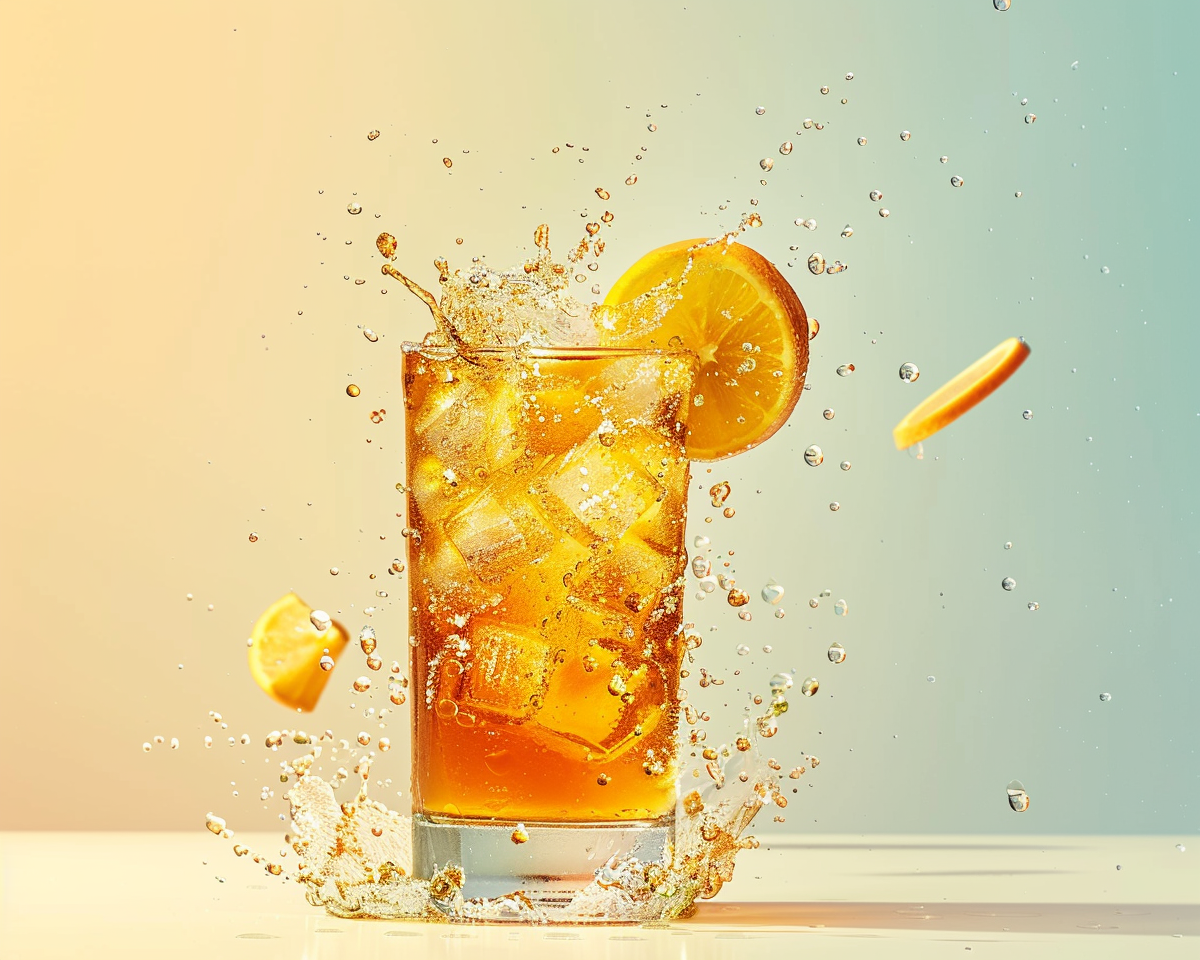
Garnishes serve both a functional and aesthetic role in fruity cocktails. They can enhance the drink’s flavor and add a visually appealing touch. Common garnishes include fruit slices, herbs, and edible flowers.
💡 Remember, the secret to a great fruity cocktail lies in the balance of flavors. Don’t be afraid to experiment and find your perfect mix!
Fruity Cocktails: Seasonal Tips
Whether you’re a cocktail enthusiast or a newbie, understanding the best occasions and seasonal options for fruity cocktails can elevate your mixology game. Here’s an in-depth look at how to make the most of each season with the right fruity cocktails.
Spring: The Season of Freshness
Spring is all about fresh, light flavors. Opt for cocktails with ingredients like strawberries, raspberries, and mint. The Strawberry Mojito, with its refreshing notes and vibrant color, is a perfect choice.
Summer: The Tropical Paradise
Summer calls for tropical flavors. Think mangoes, pineapples, and coconuts. A classic Piña Colada or a Mango Daiquiri can transport you to a beach vacation instantly.
Autumn: The Harvest Season
Autumn is the season of harvest, making it a great time to experiment with apple, pear, and cranberry-based cocktails. The Apple Cider Margarita or a Cranberry Moscow Mule can be perfect for a cozy evening.
Winter: The Time for Warmth
Winter is all about warmth and comfort. Opt for cocktails with citrus fruits like oranges and grapefruits. A Hot Toddy with a citrus twist can be a comforting choice.
| Season | Recommended Fruity Cocktail |
|---|---|
| Spring | Strawberry Mojito |
| Summer | Piña Colada |
| Autumn | Apple Cider Margarita |
| Winter | Hot Toddy with Citrus Twist |
💡 Remember, the best fruity cocktail is one that appeals to your taste buds and resonates with the season’s spirit. Don’t be afraid to experiment and find your signature mix!
Fruity Cocktails Food Pairings
Pairing food with fruity cocktails can transform your culinary experience into a delightful journey of flavors. Let’s dive into the art of matching your favorite fruity cocktails with the right food.
Light and Citrusy Cocktails
Light and citrusy cocktails like a classic Mojito or a zesty Margarita pair excellently with seafood and spicy dishes. The crisp acidity of these cocktails can cut through the rich flavors, providing a refreshing palate cleanser.
Rich and Sweet Cocktails
Fruity cocktails that are rich and sweet, such as a Pina Colada or a Strawberry Daiquiri, complement desserts and sweet dishes. The sweetness of these cocktails can balance out the richness of desserts like chocolate cake or cheesecake.
Table of Food Pairing
| Cocktail | Food Pairing |
|---|---|
| Mojito | Grilled Shrimp |
| Margarita | Chicken Tacos |
| Pina Colada | Coconut Cake |
| Strawberry Daiquiri | Cheesecake |
💡 The key to a successful food and cocktail pairing is to balance the flavors. A well-paired dish and cocktail can enhance each other’s taste, creating a harmonious dining experience.
Fruity Cocktails Frequently Asked Questions
1. What are the essential ingredients for fruity cocktails?
Fruity cocktails typically require a combination of fresh fruit, fruit juices, and a spirit of your choice. Common fruits include citrus fruits like lemons, limes, and oranges, as well as berries, pineapples, and melons. The choice of spirit can range from vodka, rum, tequila, to gin, depending on the cocktail recipe.
2. How do I prepare a fruity cocktail?
Preparing a fruity cocktail involves muddling or juicing the fruits, adding the spirit, and shaking or stirring the mixture with ice. The cocktail is then typically strained into a glass and garnished with a slice of fruit or a sprig of mint.
3. What are the best alcohol brands for fruity cocktails?
Some of the best alcohol brands for fruity cocktails include Absolut Vodka, Bacardi Rum, and Tanqueray Gin. These brands offer a variety of flavored spirits that can enhance the taste of your fruity cocktails.
4. What type of barware is needed to make fruity cocktails?
Essential barware for making fruity cocktails includes a cocktail shaker, a muddler, a strainer, and a jigger for measuring spirits. A sharp knife and a cutting board are also needed for preparing the fruit.
5. What kind of glassware should I use for fruity cocktails?
Fruity cocktails can be served in a variety of glassware, including highball glasses, martini glasses, and hurricane glasses. The choice of glassware often depends on the type of fruity cocktail being served.
6. What foods pair well with fruity cocktails?
Fruity cocktails pair well with a variety of foods, including seafood, grilled meats, and spicy dishes. They also complement desserts and cheeses.
7. How can I visually present my fruity cocktail?
Fruity cocktails can be visually presented in a variety of ways. This includes garnishing the drink with a slice of fruit, adding a colorful straw or umbrella, or serving the cocktail in a decorative glass.
8. Can I customize my fruity cocktail?
Yes, fruity cocktails are highly customizable. You can experiment with different types of fruits, spirits, and garnishes to create your own unique cocktail.
9. What is the calorie content of a fruity cocktail?
The calorie content of a fruity cocktail can vary greatly depending on the ingredients used. However, a typical fruity cocktail can contain anywhere from 150 to 300 calories per serving.
10. Are there any allergy considerations with fruity cocktails?
Some people may be allergic to certain fruits or spirits used in fruity cocktails. It’s important to check the ingredients if you have any food allergies.
11. How much does it cost to make a fruity cocktail?
The cost of making a fruity cocktail can vary depending on the ingredients used. However, you can expect to spend anywhere from $2 to $10 per cocktail at home.
12. What is the alcohol content (ABV percentage) of a fruity cocktail?
The alcohol content of a fruity cocktail can vary depending on the amount and type of spirit used. However, most fruity cocktails have an ABV percentage ranging from 10% to 20%.