Martini vs Margarita: A Taste Profile Showdown
Basic Tastes
- Martini: Primarily bitter due to the gin, with umami undertones from the olive garnish.
- Margarita: A delightful blend of sweet and sour, with a hint of saltiness from the rim.
Other Taste Profile Factors
Martini: The martini’s aroma is herbal, with a smooth texture, served chilled for a refreshing mouthfeel. The aftertaste is crisp and clean.
Margarita: The margarita has a citrusy aroma, a slushy texture, and is served cold for a refreshing mouthfeel. The aftertaste is tangy and lingering.
Considerations
| Martini | Margarita |
|---|---|
| Well-balanced, harmonious, and complex with an intense bitterness. | Perfectly balanced, harmonious, complex yet easy to enjoy with a contrasting sweet and sour profile. |
💡 While both cocktails offer a unique blend of flavors, the martini’s bitterness and umami make it a more complex drink, ideal for savoring slowly. On the other hand, the margarita’s sweet and sour profile, coupled with its slushy texture, makes it a refreshing choice, perfect for a hot summer day.
Martini vs Margarita: A Deep Dive into Barware and Glassware
Mixing & Preparation
- Both cocktails require a cocktail shaker, jigger, and ice molds for preparation.
- Margaritas also require a muddler for crushing the lime and a Hawthorne strainer for removing pulp and seeds.
- Martinis, on the other hand, may require a bar spoon for stirring and a fine mesh strainer for a smoother mix.
Serving & Presentation
- Martinis are traditionally served in a cocktail glass, while margaritas are typically presented in a highball glass or a specialized margarita glass.
- Both cocktails use a glass rimmer for applying salt (margarita) or sugar (martini) to the rim of the glass.
- Coasters and garnish trays are also common for both, with martinis often garnished with olives and margaritas with lime.
Storage & Organization
- Both cocktails require an ice bucket & tongs for serving and a bottle opener & corkscrew for opening liquor bottles.
- Speed pourers and liquor pour spouts are also essential for controlling the flow of alcohol.
- A bar mat is useful for both, while a bar roll or tool bag helps keep tools organized.
Garnishing & Fine Detailing
- Both cocktails require a cutting board & knife for preparing garnishes.
- Margaritas may also require a citrus juicer for fresh lime juice, while martinis might need a peeler & zester for lemon peel garnish.
- A channel knife is essential for martinis to create a twist of lemon, while an atomizer can be used for both to add a mist of bitters or citrus.
Preservation & Enhancement
- While neither cocktail typically requires preservation, a wine aerator could be used to enhance the flavor of the vermouth in a martini.
- A decanter could also be used for both cocktails to allow the mix to breathe and develop flavors.
💡 While both cocktails share many tools, the margarita uses more citrus-focused tools like the muddler and citrus juicer, highlighting its fresh and tangy profile. The martini, with tools like the bar spoon and fine mesh strainer, showcases its smooth and refined character.
Martini vs Margarita: A Tale of Cocktail Versatility
Occasion Pairings
- Martini: Perfect for upscale events like corporate parties, art galas, and award ceremonies. Also a great choice for sophisticated gatherings like date night or a family reunion.
- Margarita: Ideal for casual, lively events such as beach days, barbecues, and music festivals. It’s also a hit at themed parties and girls’ night out.
Seasonal Pairings
- Martini: This cocktail shines in the cooler months of autumn and winter, adding a touch of elegance to holiday parties and New Year’s celebrations.
- Margarita: A summer staple, the Margarita is a refreshing choice for Fourth of July celebrations, camping trips, and road trips. It also works well in the spring, particularly for Easter brunches and farewell parties.
Event Pairings
| Martini | Margarita |
|---|---|
| Weddings, Product Launches, Retirement Parties | Birthday Parties, Sporting Events, Bachelor/Bachelorette Parties |
💡 While both cocktails have their own unique charm, the Martini’s versatility lies in its sophistication, making it a perfect choice for formal and upscale events. On the other hand, the Margarita is a crowd-pleaser, lending itself to casual, fun-filled gatherings. Remember, the best cocktail is the one that suits your event, occasion, and season perfectly!
Martini vs Margarita: Ingredient Accessibility
Martini Ingredients
- Dry gin
- Dry vermouth
- Lemon peel or olive for garnish
Margarita Ingredients
- Tequila
- Triple sec
- Lime juice
- Salt for the rim
Finding and Gathering Ingredients
For both the Martini and the Margarita, the ingredients are relatively easy to find. Most liquor stores carry dry gin and dry vermouth for Martinis, and tequila and triple sec for Margaritas. Lemons, limes, and olives can be found at any grocery store. The only potential difficulty could be finding high-quality, artisanal versions of these ingredients, especially in smaller towns or rural areas.
Ingredient Accessibility Comparison
| Martini | Margarita |
|---|---|
| Commonly available | Commonly available |
| Artisanal versions may be harder to find | Artisanal versions may be harder to find |
💡 While the ingredients for both cocktails are widely available, the quality of the ingredients can significantly impact the final taste. If you’re a cocktail enthusiast, it might be worth seeking out higher-quality, artisanal versions of these ingredients.
Exploring the Exquisite World of Martini and Margarita Variations
The Classic Martini: A Timeless Elegance
A traditional Martini is a simple cocktail, with just two main ingredients – gin and dry vermouth. The ratio of gin to vermouth can vary, but a common mix is 5:1. The cocktail is usually garnished with an olive or a lemon twist.
Shaken or Stirred: Martini Variations
- Dirty Martini: Made with a splash of olive brine, giving it a salty kick.
- Vesper Martini: Named after James Bond’s love interest, this version uses both gin and vodka, with a hint of Lillet Blanc.
The Vibrant Margarita: A Fiesta in a Glass
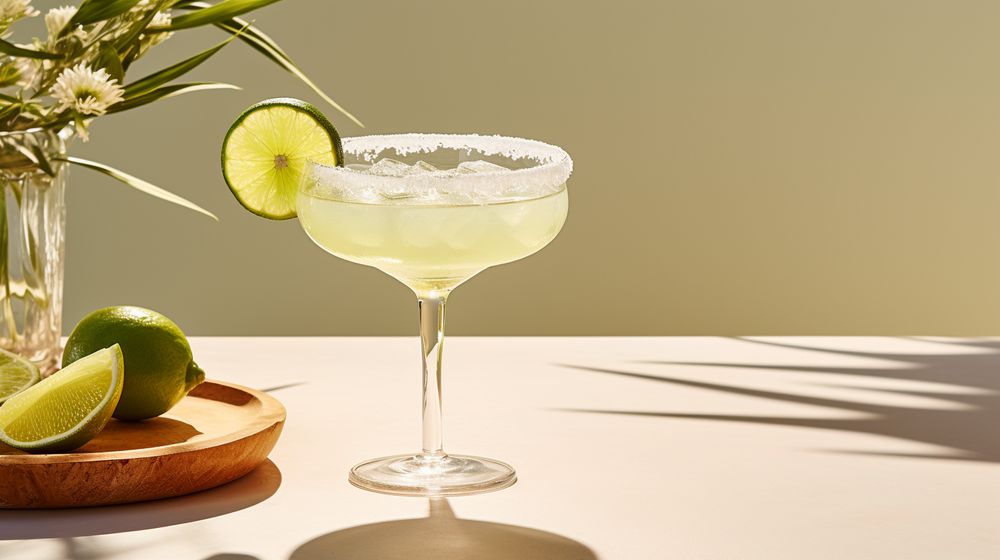
The classic Margarita blends tequila, lime juice, and Cointreau or triple sec, served in a salt-rimmed glass. The balance of sweet and sour flavors makes it a refreshing favorite.
Spice and Everything Nice: Margarita Variations
- Strawberry Margarita: Adds a fruity twist with fresh strawberries, perfect for summer.
- Spicy Margarita: Includes a dash of jalapeno or habanero for a fiery kick.
Whether you’re a Martini connoisseur or a Margarita aficionado, experimenting with these variations will surely enrich your cocktail experience.
| Martini | Margarita |
|---|---|
| Gin and Dry Vermouth | Tequila, Lime Juice, and Cointreau |
| Dirty Martini, Vesper Martini | Strawberry Margarita, Spicy Margarita |
💡 While both the Martini and Margarita have a rich history and classic appeal, the Martini is often seen as a more sophisticated, “grown-up” drink, while the Margarita is associated with fun and festivity. Yet, both cocktails offer a world of variations to explore and enjoy.
Comparing Martini and Margarita Cocktail Costs
Cost of Making a Martini
Creating a classic Martini requires two main ingredients: gin and vermouth. Here are some options ranked from lower to higher brands:
- Gordon’s Dry Gin and Martini & Rossi Vermouth
- Bombay Sapphire Gin and Dolin Vermouth
- Hendrick’s Gin and Carpano Antica Formula Vermouth
Cost of Making a Margarita
Margaritas require tequila, triple sec, and lime juice. Here are some options ranked from lower to higher brands:
- Jose Cuervo Tequila, DeKuyper Triple Sec, and fresh lime juice
- Patron Silver Tequila, Cointreau, and fresh lime juice
- Don Julio Anejo Tequila, Grand Marnier, and fresh lime juice
Which Cocktail is More Expensive?
Generally, a Margarita tends to be more expensive to make than a Martini. This is mainly due to the cost of tequila and premium orange liqueurs like Grand Marnier or Cointreau. However, the final cost can vary depending on the brands of alcohol used and personal preferences for ingredients.
💡 While the Margarita generally costs more to make, it’s worth noting that the Martini has a wider range of gins that can significantly increase its price. For example, using a premium gin like Monkey 47 can make a Martini more expensive than a Margarita.
Martini vs Margarita: Prep & Mix Time
Martini
- Total Preparation: 5 minutes
- Mixing Time: 1 minute
- Complexity of Preparation: Easy
- Ingredient Preparation: Chill martini glass, measure gin/vodka, and vermouth
- Mixing Techniques: Stirring
- Presentation: Served in a chilled martini glass with an olive or lemon twist
- Set up: Martini shaker, bar spoon, jigger, and chilled glass
- Cleanup: Quick and easy, rinse tools and glass
- Waiting Time: None
Margarita
- Total Preparation: 7 minutes
- Mixing Time: 2 minutes
- Complexity of Preparation: Medium
- Ingredient Preparation: Juice limes, measure tequila, triple sec, and simple syrup
- Mixing Techniques: Shaking
- Presentation: Served in a salt-rimmed glass with a lime wheel
- Set up: Shaker, jigger, citrus juicer, and salt-rimmed glass
- Cleanup: Moderate, rinse tools, glass, and juicer
- Waiting Time: None
💡 Expert Tip: For a smoother martini, stir instead of shaking to prevent dilution. For a margarita, use fresh lime juice and high-quality tequila for the best flavor.
Mixology Hacks for the Perfect Blend: Martini vs Margarita
Muddling Right
- Martini: No muddling required.
- Margarita: Muddle lime and salt for an enhanced flavor profile.
Ice Matters
- Martini: Use large, clear ice cubes to keep the drink cold without diluting it.
- Margarita: Crushed ice is preferred to create a slushy texture.
Shake vs Stir
- Martini: Stirred, not shaken, to maintain clarity.
- Margarita: Shaken to blend the ingredients thoroughly.
Balancing Act
- Martini: Balancing the gin and vermouth is key.
- Margarita: Perfect balance lies between the tequila, triple sec, and lime juice.
Herb Infusion
- Martini: No herb infusion.
- Margarita: Infuse tequila with jalapenos for a spicy twist.
Aromatic Bitters
- Martini: Optional orange bitters for an added layer of flavor.
- Margarita: No bitters needed.
Smoke Effects
- Martini: No smoke effects.
- Margarita: Smoke the glass rim with a lime wedge for a smoky aroma.
Double Straining
- Martini: Double strain to ensure a clear drink.
- Margarita: Not necessary unless you’re using fresh fruit.
Perfect Presentation
- Martini: Serve in a chilled martini glass.
- Margarita: Serve in a salt-rimmed glass with a lime wheel.
Glassware
- Martini: A martini glass is a must.
- Margarita: A margarita glass or a double old-fashioned glass works best.
Garnish Game
- Martini: An olive or a lemon twist.
- Margarita: A lime wheel and salt rim.
Temperature
- Martini: Serve ice-cold.
- Margarita: Serve chilled or frozen.
💡 The secret to crafting signature cocktails at home lies in understanding the subtle nuances of mixology techniques for beginners. From muddling to shaking, every step contributes to the final flavor. So, whether you’re mixing a martini or a margarita, remember to balance the flavors, use the right garnish, and serve at the perfect temperature. With these tips, you can elevate your cocktail game from simple to spectacular!
Martini vs Margarita: A Deep Dive into Alcohol Content
Martini
Originating from the United States, the classic Martini is a cocktail that’s as sophisticated as it is potent. This cocktail typically contains:
- 2 ounces of gin or vodka (80 proof)
- 1 ounce of vermouth
With this blend, the average Martini carries an Alcohol By Volume (ABV) of around 31.3%.
Alcohol-Free Martini Alternative
For those who prefer a non-alcoholic version, try the Virgin Martini. It uses:
- 2 ounces of apple juice
- 1 ounce of lime juice
Margarita
Originating from Mexico, the Margarita is a refreshing cocktail that packs a punch. The typical Margarita includes:
- 2 ounces of tequila (80 proof)
- 1 ounce of triple sec
- 1 ounce of lime juice
With these ingredients, a Margarita typically has an ABV of around 26.9%.
Alcohol-Free Margarita Alternative
For a non-alcoholic twist, try the Virgin Margarita. It uses:
- 2 ounces of lime juice
- 1 ounce of orange juice
💡 Despite their differing origins and flavors, the Martini and Margarita have quite similar alcohol content levels. However, the Martini narrowly edges out with a slightly higher ABV, making it the stronger of the two cocktails.
Nutritional Information: Martini vs Margarita
Caloric Intake
A standard Martini contains about 178 calories while a Margarita has around 168 calories.Spirits and Mixers
Martini is made with gin or vodka and dry vermouth. Margarita, on the other hand, is a mix of tequila, triple sec, and lime juice.Sugar Content and Simple Syrups
Martini has zero sugar content while a Margarita contains about 24g of sugar, due to the use of triple sec and lime juice.Pre-mixed Cocktails: These are often high in sugar and calories. Opt for making your cocktails from scratch for better control over the nutritional content.
Carbohydrates
Martini contains zero carbs while a Margarita has about 28g of carbs.Proteins, Fats, and Other Factors
Both cocktails have negligible amounts of proteins and fats. However, Margaritas contain a small amount of sodium due to the salted rim.Low-Calorie and Sugar-Free Options
For a low-calorie version, opt for a Skinny Margarita, made with fresh lime juice, tequila, and agave nectar. For a sugar-free Martini, stick to the classic recipe but avoid sweetened gin or vodka.Gluten-Free Alcoholic Beverages
Both Martini and Margarita can be made gluten-free, provided you use gluten-free spirits.💡 Despite their differing ingredients and nutritional profiles, both Martini and Margarita can be enjoyed as part of a balanced diet. Moderation is key.
Martini vs Margarita: High Quality Facts
Ingredients and Preparation
Martini:- Gin or Vodka
- Dry Vermouth
- Lemon twist or Olive for garnish
- Stirred, not shaken
Margarita:
- Tequila
- Triple Sec
- Lime Juice
- Salt for the rim
- Shaken and strained
Taste Profile
Martini offers a strong, slightly bitter taste with a hint of citrus if garnished with a lemon twist.
Margarita, on the other hand, provides a sweet, tangy, and slightly salty flavor.
Glassware
Martini: Served in a Martini glassMargarita: Served in a Margarita glass or a rocks glass
Origin
Martini hails from the United States, with its roots traced back to the mid-19th century.
Margarita, a Mexican classic, is believed to have been first mixed in the 1930s or 1940s.
Alcohol Content
| Martini | Approximately 31.3% ABV |
| Margarita | Approximately 26.9% ABV |
💡 While both cocktails are renowned worldwide, the Martini is typically considered a more “sophisticated” drink due to its strong alcohol content and minimalistic presentation, whereas the Margarita is often associated with fun and festive occasions, thanks to its vibrant flavors and colorful presentation.
Martini vs Margarita: A Comprehensive Comparison
What are the main ingredients in a Martini and a Margarita?
A classic Martini is made with gin and vermouth, garnished with an olive or a lemon twist. On the other hand, a Margarita is a cocktail consisting of tequila, orange liqueur, and lime juice often served with salt on the rim of the glass.
How are Martini and Margarita prepared?
Martini is stirred with ice and strained into a chilled cocktail glass. The Margarita is shaken with ice, strained, and served straight up or on the rocks in a salt-rimmed glass.
Which alcohol brands are best for these cocktails?
For a Martini, brands like Tanqueray or Bombay Sapphire are popular choices. For a Margarita, Patron and Jose Cuervo are often favored.
What barware and glassware are needed?
To make a Martini, you need a mixing glass, a bar spoon, and a strainer. It is traditionally served in a Martini glass. A Margarita requires a shaker and a strainer, and is typically served in a Margarita glass.
What are the best food pairings?
Martinis pair well with salty snacks like olives and nuts, or seafood dishes. Margaritas go well with Mexican dishes, especially those with a bit of heat.
What about visual presentation?
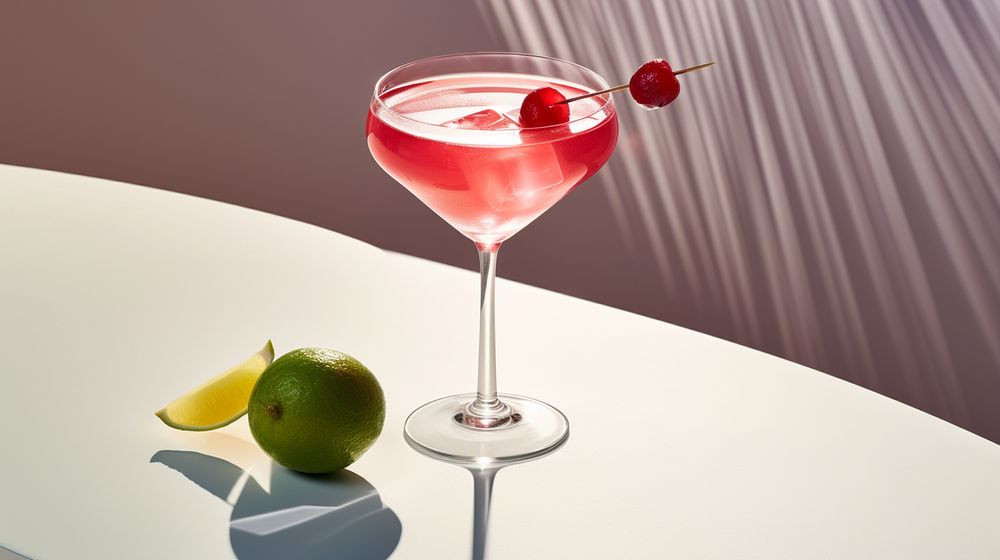
Both cocktails have distinct presentations. A Martini is garnished with an olive or a lemon twist, while a Margarita is often served with a lime wheel and salt on the rim.
What is the nutritional information for these cocktails?
A standard Martini has around 200 calories and no allergens, while a Margarita has approximately 150-200 calories. Margaritas may contain allergens if the mix used contains gluten.
What is the making cost and alcohol content?
The cost of making these cocktails largely depends on the quality of the alcohol used. The alcohol by volume (ABV) of a Martini is around 31.3%, while a Margarita has an ABV of about 20%.
Unique Insight: While both cocktails have their unique charm, the choice between a Martini and a Margarita often depends on personal preference and the occasion. A Martini is often seen as more sophisticated and is a classic aperitif, while a Margarita is fun and festive, perfect for a summer party.