Popular Barrel-Aged Cocktails
Barrel-Aged Negroni
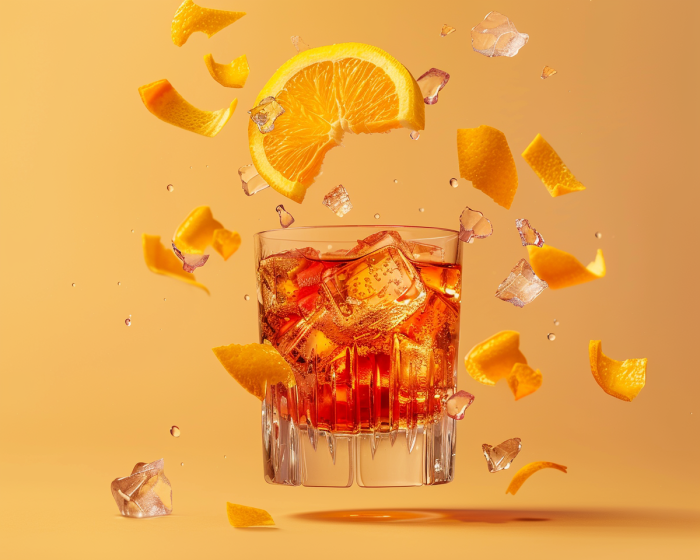
Experience the smooth, bitter-sweet taste of the Barrel-Aged Negroni. This cocktail is a blend of gin, vermouth, and Campari, aged in a barrel for a distinct oak flavor that complements the bitter Campari and sweet vermouth perfectly.
Barrel-Aged Manhattan
The Barrel-Aged Manhattan is a classic cocktail with a twist. The barrel-aging process enhances the rich, sweet, and spicy flavors of rye whiskey, sweet vermouth, and bitters, resulting in a cocktail with a long, warming finish.
Barrel-Aged Old Fashioned
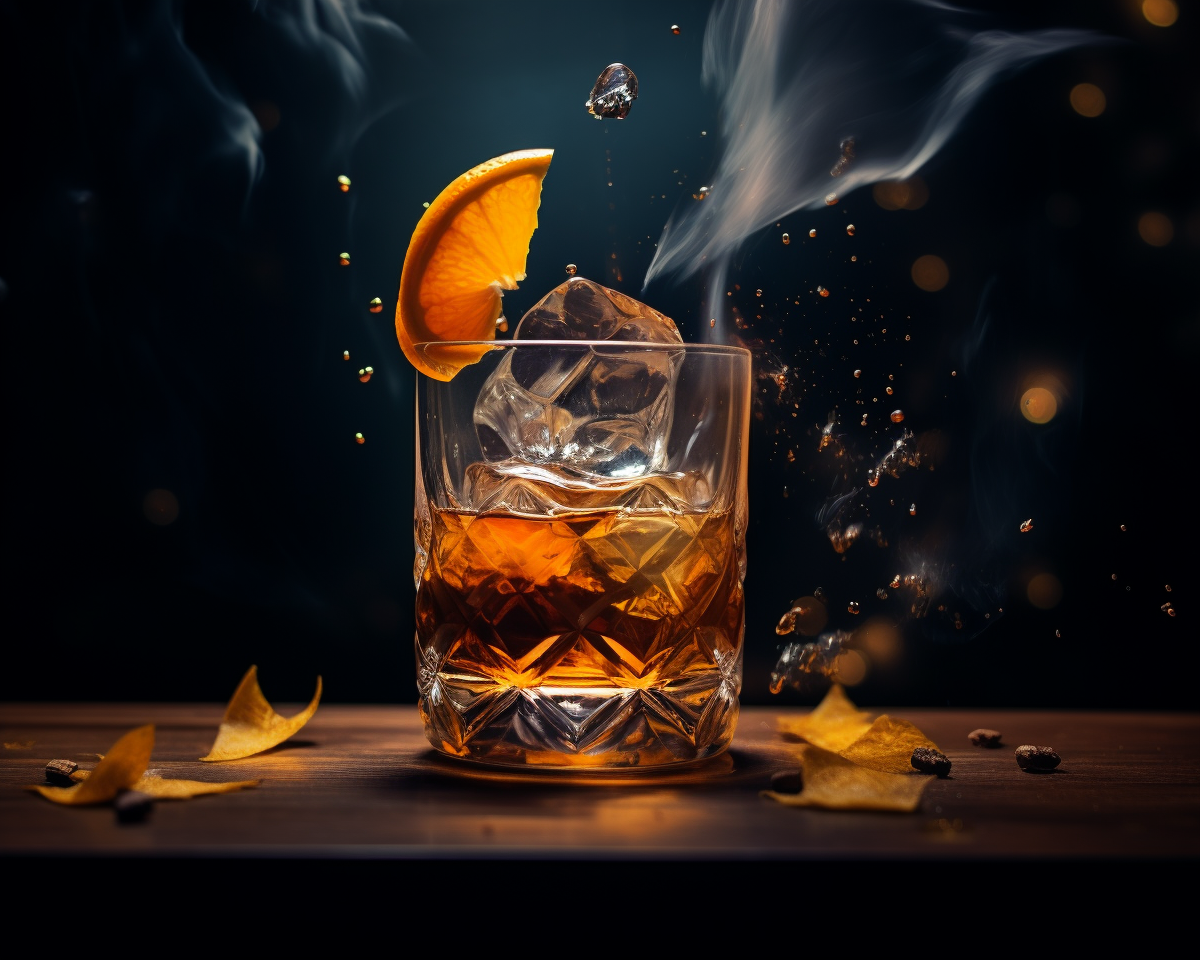
Enjoy the classic taste of an Old Fashioned with a barrel-aged spin. The bourbon, sugar, and bitters are aged in a barrel, enhancing the cocktail’s sweetness and adding a hint of oakiness for a more complex flavor profile.
Barrel-Aged Sazerac
The Barrel-Aged Sazerac is a bold, spicy cocktail with a hint of anise. The barrel-aging process accentuates the rye whiskey and absinthe flavors, creating a cocktail with a rich, complex taste.
Barrel-Aged Boulevardier
The Barrel-Aged Boulevardier is a whiskey-based cocktail with a bittersweet flavor profile. The barrel aging process adds depth and smoothness to the cocktail, balancing the sweet vermouth, bitter Campari, and robust bourbon.
Barrel-Aged Martini
The Barrel-Aged Martini is a classic cocktail with a twist. The gin and vermouth are aged in a barrel, adding a layer of complexity and oaky flavor to this iconic cocktail.
Barrel-Aged Whiskey Sour
The Barrel-Aged Whiskey Sour is a sweet and sour cocktail with a hint of oakiness. The barrel-aging process enhances the whiskey’s flavor and adds a smooth, oaky finish to the cocktail.
Barrel-Aged Vieux Carré
The Barrel-Aged Vieux Carré is a rich, complex cocktail. The barrel aging process adds depth to the flavors of rye whiskey, cognac, and sweet vermouth, creating a cocktail with a long, warming finish.
Unraveling the Flavor Profile of Barrel-Aged Cocktails
When it comes to barrel-aged cocktails, the flavor profile is a captivating journey of taste and aroma. These cocktails offer an immersive sipping experience, where each sip uncovers a new layer of complexity. Let’s dive into the world of these aged libations and their diverse flavor profiles.
The Basic Tastes of Barrel-Aged Cocktails
Barrel-aging a cocktail transforms its flavor profile, adding depth and complexity. The basic tastes one can experience in these cocktails include:
- Sweet: The aging process often imparts a natural sweetness to the cocktail, primarily from the sugars in the wood.
- Bitter: Depending on the cocktail and the type of barrel used, a certain level of bitterness can be present, providing a nice balance to the sweetness.
- Sour: Some cocktails may have a slight sourness, primarily if citrus elements have been incorporated into the mix.
- Savory: The woody, earthy flavors from the barrel can bring a savory touch to the cocktail.
Highlighting and Balancing Flavor Elements
Creating a well-balanced barrel-aged cocktail is an art. It’s all about highlighting and balancing different flavor elements. Adding complementary ingredients like bitters, syrups, or fresh fruits can enhance certain flavors and balance out others. For instance, a splash of bitters can counteract the sweetness, while a hint of citrus can brighten up a heavy cocktail.
Flavors Derived from Complementary Ingredients
Complementary ingredients play a crucial role in shaping the flavor profile of barrel-aged cocktails. Here are some common flavors derived from these ingredients:
| Ingredient | Flavor |
|---|---|
| Bitters | Spicy, herbal |
| Citrus Fruits | Tart, tangy |
| Syrups | Sweet, fruity |
💡 Remember, the magic of barrel-aged cocktails lies in their complexity. Every sip reveals a new layer of flavor, making each cocktail a unique experience.
Embracing the Essence of Barrel-Aged Cocktails: Base Spirits
Base spirits are the heart and soul of any cocktail, especially when it comes to the sophisticated world of barrel-aged cocktails. They interact with other ingredients in unique ways, creating a symphony of flavors that’s truly exceptional.
Most Commonly Used Base Spirits in Cocktails
When it comes to cocktails, certain base spirits are more commonly used than others. These include:
- Whiskey
- Gin
- Rum
- Vodka
- Tequila
Base Spirits and Their Impact on Barrel-Aged Cocktails
Each base spirit brings a unique character to a barrel-aged cocktail. For instance, whiskey often imparts a smoky, rich flavor, while gin can add a refreshing, herbal note. The aging process further enhances these flavors, creating a cocktail that’s deeply complex and satisfying.
Can You Substitute One Base Spirit for Another?
While it’s technically possible to substitute one base spirit for another, it’s important to remember that this can significantly change the flavor profile of your barrel-aged cocktail. So, if you’re looking for a specific taste, it’s best to stick with the recommended base spirit.
Notable Brands for Barrel-Aged Cocktails
There are several brands that are often preferred when it comes to creating barrel-aged cocktails. These include:
- Buffalo Trace Bourbon for whiskey-based cocktails
- Tanqueray for gin-based cocktails
- Bacardi for rum-based cocktails
Barrel-Aged Cocktails that Showcase the Base Spirit
A well-made barrel-aged cocktail should highlight the base spirit, not mask it. Examples include the classic Old Fashioned, which beautifully showcases the richness of whiskey, and the Negroni, which allows the unique flavors of gin to shine through.
💡 Remember, the key to a great barrel-aged cocktail is balance. The base spirit should work in harmony with the other ingredients, creating a cocktail that’s greater than the sum of its parts.
Unveiling the Magic of Ingredients for Barrel-Aged Cocktails
Dive into the world of barrel-aged cocktails and discover the wealth of ingredients that contribute to their unique character. From spirits and mixers to fresh ingredients and sweeteners, let’s explore the components that shape these exquisite concoctions.
1. The Spirit: The Backbone of Your Cocktail
The choice of spirit is crucial as it forms the base of your cocktail. Whiskey, rum, and tequila each add their own distinctive notes, heavily influencing the cocktail’s overall character. For instance, whiskey imparts a warm, smoky flavor, while rum adds a sweet, tropical touch.
2. Mixers: The Complementary Notes
High-quality mixers like club soda, tonic water, or fruit juices can elevate your cocktail to new heights. They contribute to the overall flavor, adding depth and complexity to your barrel-aged cocktail.
3. Fresh Ingredients: The Flavor Enhancers
Fresh fruits, herbs, and vegetables not only add visual appeal but also enhance flavor and aroma. Citrus fruits like lemon and orange, herbs like mint and basil, and vegetables like cucumber are commonly used in barrel-aged cocktails.
4. Sweeteners: The Balancing Act
The choice of sweetener can greatly affect the cocktail’s flavor and texture. Syrups, sugars, and alternative sweeteners like agave nectar or honey can add a subtle sweetness, balancing the strong flavors of the spirits and mixers.
5. The Role of Bitters, Liqueurs, and Other Flavor Enhancers
Bitters and liqueurs add complexity and balance to the cocktail. They enhance the flavors of the other ingredients, making your barrel-aged cocktail a symphony of tastes.
6. Sourcing and Preparing Ingredients
When it comes to unique or exotic ingredients, sourcing can be a challenge. However, quality always pays off. For instance, using authentic Kentucky bourbon can make a world of difference in your barrel-aged cocktail.
7. Garnishes: The Final Touch
Garnishes serve both a functional and aesthetic role. They can enhance the flavors and also add visual appeal. Common garnishes for barrel-aged cocktails include maraschino cherries, orange slices, and fresh herbs.
💡 Remember, the art of making a perfect barrel-aged cocktail lies in the balance of all the ingredients. It’s about creating a harmonious blend where each component complements the others, resulting in a cocktail that’s greater than the sum of its parts.
Seasonal Tips for Barrel-Aged Cocktails
Embrace the changing seasons with the rich, complex flavors of barrel-aged cocktails. Whether it’s a crisp autumn evening or a sultry summer night, there’s a barrel-aged cocktail perfect for every occasion and season.
Spring: The Revitalizing Blend
As the world reawakens from winter, your cocktail should reflect this renewal. A barrel-aged Negroni, with its blend of gin, vermouth, and Campari, offers a refreshing yet complex taste that mirrors spring’s vibrancy.
Summer: The Tropical Twist
Summer demands something light and refreshing. A barrel-aged Margarita, with its tequila base and citrusy notes, provides a tropical escape right in your glass.
Fall: The Warm Embrace
As the leaves change, so should your cocktail. A barrel-aged Old Fashioned, with its whiskey base and sweet undertones, offers a warm embrace on those cool fall evenings.
Winter: The Cozy Comfort
Winter calls for a cocktail that warms you from the inside out. A barrel-aged Manhattan, with its robust rye whiskey and sweet vermouth, provides the cozy comfort you crave.
Seasonal Variations: The Art of Mixing
| Season | Barrel-Aged Cocktail |
|---|---|
| Spring | Negroni |
| Summer | Margarita |
| Fall | Old Fashioned |
| Winter | Manhattan |
💡 Remember, the beauty of barrel-aged cocktails lies in their adaptability. Feel free to experiment with different spirits, mixers, and aging times to create a cocktail that perfectly suits your taste and the season.
Barrel-Aged Cocktails and Food Pairings
Dive into the delightful world of barrel-aged cocktails and discover how to pair them with food for an unforgettable gastronomic experience.
Why Pair Barrel-Aged Cocktails with Food?
Barrel-aged cocktails, with their complex flavors and smooth finish, can enhance the taste of various dishes. Pairing them with the right food can elevate your dining experience to a whole new level.
Pairing Guidelines
Here are some general guidelines to follow when pairing barrel-aged cocktails with food:
- Match the intensity: Strong cocktails go well with robust dishes.
- Consider the cocktail’s base spirit: The base spirit of the cocktail can guide you towards suitable food pairings.
- Complement or contrast: Pair cocktails and food that either complement each other or provide a pleasing contrast.
Specific Pairings
| Cocktail | Food Pairing |
|---|---|
| Barrel-Aged Negroni | Charcuterie Board |
| Barrel-Aged Manhattan | Grilled Steak |
| Barrel-Aged Old Fashioned | Dark Chocolate Dessert |
💡 While pairing food and cocktails, remember that the aim is to enhance the dining experience. There are no hard and fast rules. Feel free to experiment and find combinations that delight your palate.
Barrel-Aged Cocktails Frequently Asked Questions
What are Barrel-Aged Cocktails?
A Barrel-Aged Cocktail is a mix of spirits, liqueurs, or wines that have been aged in a barrel. This aging process allows the cocktail to develop a unique depth of flavor, similar to how wines and spirits gain complexity when aged in barrels. The process can take anywhere from a few weeks to several months, depending on the desired flavor profile.
What ingredients are used in Barrel-Aged Cocktails?
The ingredients used in Barrel-Aged Cocktails can vary widely, but typically include a combination of spirits such as whiskey, rum, or tequila, along with various liqueurs, wines, or vermouth. Often, bitters or other flavoring agents are added to the mix. The specific ingredients used will depend on the cocktail recipe being aged.
How are Barrel-Aged Cocktails prepared?
Preparing a Barrel-Aged Cocktail involves mixing the ingredients in a barrel and allowing them to age. The barrel is typically sealed and stored in a cool, dark place for the duration of the aging process. The cocktail is periodically tasted to monitor its flavor development, and the aging process is stopped when the desired flavor profile is achieved.
What alcohol brands are best for Barrel-Aged Cocktails?
There are many brands of spirits that can be used in Barrel-Aged Cocktails. Some popular choices include Maker’s Mark bourbon, Don Julio tequila, and Bacardi rum. However, the best brand to use will depend on the specific cocktail recipe and personal taste preference.
What barware is needed to make Barrel-Aged Cocktails?
At the very least, you will need a barrel for aging the cocktail, a large container for mixing the ingredients, and a funnel for transferring the cocktail into the barrel. Additionally, a strainer may be useful for removing any solids that may form during the aging process.
What is the alcohol content (ABV percentage) of Barrel-Aged Cocktails?
The alcohol content of Barrel-Aged Cocktails can vary widely, depending on the specific ingredients used. However, because the cocktails are made with spirits, they are typically quite strong, often having an ABV (Alcohol By Volume) of 20% or higher.
How much does it cost to make Barrel-Aged Cocktails?
The cost to make Barrel-Aged Cocktails will depend on the specific ingredients used, as well as the cost of the barrel. However, because the cocktails are typically made with high-quality spirits and require a significant amount of time to age, they can be quite expensive to produce.
What are some food pairings for Barrel-Aged Cocktails?
Barrel-Aged Cocktails are often enjoyed on their own, but they can also be paired with a variety of foods. Rich, hearty dishes like steak or lamb can stand up to the robust flavors of these cocktails. For lighter fare, consider pairing with cheese or charcuterie.
What are the nutritional facts of Barrel-Aged Cocktails?
Like all alcoholic beverages, Barrel-Aged Cocktails are high in calories. A typical cocktail may contain anywhere from 150 to 300 calories, depending on the specific ingredients used. They also contain alcohol, which can have negative health effects if consumed in excess. As for allergy information, it would depend on the ingredients used in the specific cocktail recipe.
How can I customize my Barrel-Aged Cocktails?
There are many ways to customize Barrel-Aged Cocktails. You can experiment with different spirits, liqueurs, and wines, or add various flavoring agents like bitters or herbs. The aging process itself can also be customized, with longer aging times resulting in more complex flavors.