The Art of Collecting Gins
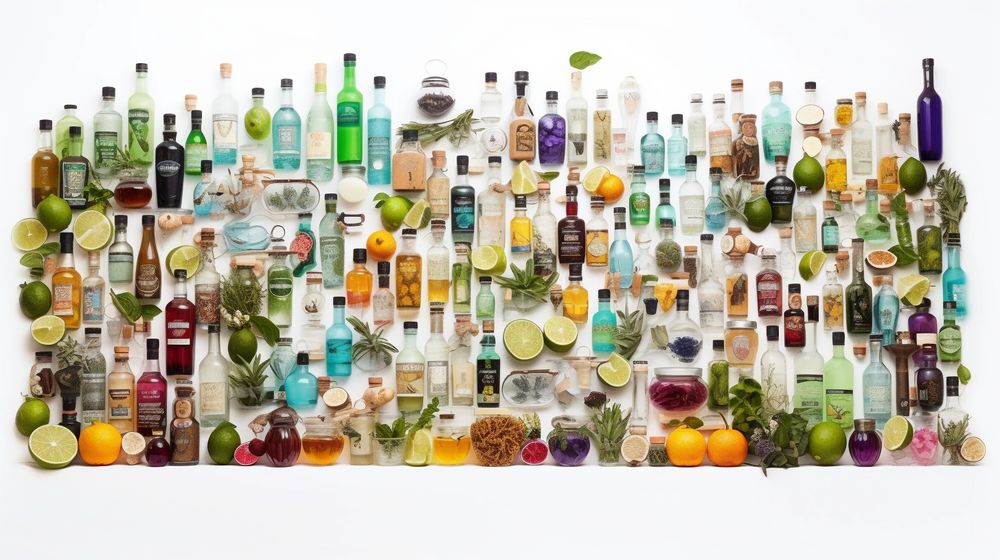
Starting a gin collection can be an intoxicating journey, both figuratively and literally. It’s more than just amassing bottles—it’s about discovering the rich history, diverse styles, and complex flavor profiles that make gin one of the world’s most beloved spirits.
The joy of exploring different types of gins, each with its own unique story and taste, can be an exciting hobby for seasoned connoisseurs and newcomers alike.
Whether you’re a budget-conscious sipper, a luxury cocktail connoisseur, or a DIY craft cocktail maker, this guide is tailored to suit your needs and preferences. Let’s delve into the fascinating world of gin and help you start your collection.
Understanding Gin: The Spirit’s Essence
Before starting your gin collection, it’s essential to understand what makes gin, well, gin. The spirit’s core ingredient is juniper berries, which give gin its distinctive piney flavor.
But the magic doesn’t stop there. The different styles of gin, such as London Dry, New American, and Old Tom, vary significantly in taste and production method.
London Dry is arguably the most famous gin style, known for its crisp, dry taste with a strong juniper focus. New American, or international, gins give distillers more creative freedom, often resulting in a less juniper-heavy and more experimental flavor profile.
Old Tom, the sweetest of the bunch, is often described as the missing link between the other two, offering a balance of botanical sweetness.
Understanding these differences is key to building a well-rounded collection that reflects the spirit’s rich diversity.
Starting a Collection on a Budget
Being budget-conscious doesn’t mean you can’t start a quality gin collection. Affordable doesn’t have to mean cheap in taste. Brands like Beefeater and Bombay Sapphire offer excellent London Dry Gins that won’t break the bank. If you’re interested in exploring New American style, try Aviation American Gin, a quality option with a reasonable price tag.
Remember, collecting gin is not a race. It’s wonderful to grow your collection slowly, prioritizing quality over quantity. This approach also allows you to savor each bottle and appreciate its unique characteristics.
Building a Premium Collection
If you’re looking to make a statement with your gin collection, focusing on luxury brands and limited-edition bottles is the way to go. Brands like Monkey 47 and Hendrick’s offer premium gin options that not only taste superb but also add a touch of elegance to any collection.
But don’t stop at just the well-known names. Explore small-batch distilleries and limited-edition releases. These often offer unique flavor profiles and stories, adding depth to your collection.
For instance, the limited-edition Cambridge Distillery’s Truffle Gin is made with a white truffle from Alba, offering an unmatched decadent flavor profile.
Assembling a Diverse Collection
For the DIY craft cocktail maker, having a diverse collection is key. Gin’s versatility makes it a prime candidate for home mixology. Unleash your creativity by exploring gins with unique and diverse flavor profiles.
Consider Japanese gins like Roku, which incorporate unique botanicals like yuzu and sakura flower for a distinctly Japanese twist. Or try Malfy Gin Con Arancia, an Italian gin bursting with Sicilian blood oranges.
Remember, the goal here isn’t just to gather different bottles but to cultivate a collection that pushes boundaries and inspires creativity in your cocktail-making.
Non-Alcoholic Gins for Your Collection
For those who prefer their drinks sans alcohol, the good news is that there is an impressive array of non-alcoholic gins on the market that capture the spirit’s complex flavor profile.
Brands like Seedlip, with its three distinct botanical blends, and Monday Gin, known for its crisp and refreshing taste, offer a taste experience that rivals their alcoholic counterparts.
Incorporating non-alcoholic gins into your collection allows you to savor the gin experience without the alcohol, making your collection inclusive and versatile.
Choosing the Right Bottle
When it comes to choosing the right bottle of gin, there are several factors to consider. The botanicals used, the distillation method, and the region of origin all contribute to the gin’s flavor profile.
For example, a London Dry Gin uses traditional botanicals and a particular distillation method that results in a classic, juniper-forward flavor.
On the other hand, a gin originating from the Black Forest in Germany might feature unique botanicals like lingonberries, creating a distinct taste.
Understanding these elements will enhance your appreciation of gin and help you make informed decisions when expanding your collection.
Keeping Track of Your Collection
As your gin collection grows, keeping track of your bottles becomes vital. You might consider using a simple spreadsheet detailing each gin’s name, style, botanicals, and tasting notes.
Alternatively, several apps like “Distiller” or “Ginventory” can help you catalog your collection digitally, offering additional features like reviews and tasting notes from other users.
Keeping track not only helps you manage your collection effectively but also enhances your gin exploration journey by making it easy to recall your tasting experiences.
Storing Your Gin Collection Proper storage is crucial to maintaining the quality and flavor of your gin. Gin should be stored upright in a cool, dark place to prevent light and heat from affecting its taste.
While gin doesn’t age in the bottle like wine, an opened bottle can lose its flavor over time due to oxidation. Hence, it’s recommended to consume an opened bottle within a year. Storing your gin collection correctly will ensure that each sip offers the best taste experience.
Exploring Local and International Brands Part of the thrill of building a gin collection is the exploration of diverse brands, both local and international.
Local gins often reflect the spirit of their region through the use of locally sourced botanicals, offering a unique taste of place.
International brands, on the other hand, allow you to experience global flavor profiles and distillation techniques.
To begin a gin collection, keep in mind that your curiosity and taste buds will guide you along the way.
Tasting Your Collection
As you embark on your gin collection journey, it’s essential to understand the art of tasting gin. The essence of gin lies in its taste, and appreciating the varied flavors can significantly enhance your gin-collecting experience.
Start with the proper glassware; a tulip-shaped glass or a copita is perfect for tasting gin as they concentrate the aromas, allowing you to experience the full range of flavors.
When tasting, hold the gin in your mouth for a moment, letting it wash over your tongue to pick up the different botanicals. The temperature also plays a crucial role; room temperature is ideal for tasting gin, as chilling can suppress its flavors.
Garnishes, though often overlooked, can transform your gin-tasting experience. They can complement or contrast the gin’s botanicals, bringing out unique flavors.
For instance, a slice of cucumber or a sprig of rosemary could highlight the herbaceous notes in a gin, while a twist of lemon peel could enhance its citrusy character.
Expanding Your Collection
Now that you’ve started your collection and have learned the art of tasting gin, it’s time to grow it.
There are numerous ways to explore the wide world of gin and add to your collection.
One of the best ways to discover new gins is by attending gin festivals. These events often feature a range of brands, from well-established ones to small-batch distilleries, giving you the chance to taste and learn about different gins before adding them to your collection.
Alternatively, consider joining a gin subscription club. This is a fantastic way to receive hand-picked gins from around the world right at your doorstep.
It not only adds variety to your collection but also offers the thrill of surprise each month.
Showcasing Your Collection
Your gin collection is a reflection of your journey through the diverse world of gin. It deserves to be displayed with pride.
Creating a home bar can be a great way to showcase your collection. Arrange your bottles by region, distillery, or flavor profile to make them visually appealing and easy to navigate.
Remember, the way you display your collection can say a lot about your gin journey. So, make it personal, make it unique, and most importantly, make it you.
Sharing Your Collection
A gin collection is best enjoyed when shared with others. Hosting a gin-tasting party or a cocktail night can be a fun and interactive way to do this.
A gin-tasting party allows your guests to taste different gins from your collection and learn more about their unique flavors.
You can make it more engaging by including rating cards or having a blind-tasting competition.
For a cocktail night, you can showcase the versatility of gin. From classic gin and tonics to more elaborate cocktails like the negroni or martini, the possibilities are endless.
Sharing your collection not only allows you to spread the joy of gin but also helps you connect with fellow gin enthusiasts.
Conclusion
Embarking on the journey to start a gin collection is about so much more than just amassing bottles on a shelf; it’s a voyage of discovery into the wide, intriguing world of gin, a universe of varied flavors, aromas, and experiences.
So don’t hesitate any longer. Take the plunge. Step into the fascinating world of gin collection armed with the knowledge and insights you’ve gained from this guide. Start your collection and let it reflect your tastes, interests, and experiences.
Remember, starting a gin collection is not a race; it’s a journey. A journey of flavor and discovery, a journey best shared with friends and loved ones. There’s a whole universe of gin out there, waiting for you to explore and enjoy.
Gin-credible Beginnings: Your Essential Guide to Starting a Gin Collection
What types of gin should I include in my collection?
When starting a gin collection, consider including a variety of types. This can include a premium gin like British Polo Gin, a French gin like Citadelle Reserve Gin, a classic like Junipero Gin, a flavored gin like Malfy con Limone Gin or Gin Divine Raspberry, and an Old Tom gin like Herno Old Tom or Hayman’s Old Tom. Also, consider including gins with unique stories or properties, such as Boe Violet Gin, Jinzu Gin, or Black Tomato Gin.
What should I look for in a premium gin?
A premium gin should be strong, dry, and timeless. It should have a diverse taste due to the wide range of botanicals used. A good example is British Polo Gin, which is 100% organic, quadruple distilled, and has a smooth, clean flavor.
How can I diversify my gin collection?
To diversify your gin collection, consider adding flavored gins and gins with interesting stories behind them. Flavored gins can add depth to your collection and are great for cocktails. Gins with unique stories or intriguing elements, like Jinzu Gin, which blends English gin and sake, can also add interest to your collection.
What role do tonics play in a gin collection?
Tonics play a significant role in a gin collection. Since a large part of your drink is tonic, it should be of high quality and complement your gin. Buying tonics in individual servings helps maintain quality and effervescence. For garnishes, consider more than just lemon or lime; there are many options like thyme, watermelon, or even dragonfruit.
What is an Old Tom gin and why should I include it in my collection?
Old Tom Gin is an 18th-century English recipe sweetened with honey and sugar, making it less dry than standard gin. Including an Old Tom gin in your collection, like Herno Old Tom or Hayman’s Old Tom, can add depth and variety to your collection.
What type of gin is recommended for starting a collection?
A premium gin is a great starting point for a gin collection. For example, British Polo Gin is a solid choice. It is 100% organic and quadruple distilled, which gives it a smooth, clean flavor.
What is a good-flavored gin to add to my collection?
There are many great-flavored gins you could add to your collection. For example, Malfy con Limone Gin uses sweet lemons from Italy’s Amalfi Coast, resulting in a fresh and light gin. Alternatively, Gin Divine Raspberry is made with fresh raspberries and has no added sugar, allowing the raw flavors to shine through.
What is an example of an Old Tom gin I should consider?
Old Tom gins are a sweeter variety that can add depth to your collection. Herno Old Tom is a highly regarded example from Sweden, while Hayman’s Old Tom could be a more budget-friendly alternative.
Are there any unique gins that would make my collection stand out?
Yes, adding a gin with a unique story or flavor can make your collection more interesting. Boe Violet Gin is a Scottish gin infused with violets, giving it a distinctive flavor and color. Jinzu Gin combines English gin and sake with botanicals like cherry blossom and Japanese yuzu for an exciting blend.
Alternatively, Black Tomato Gin includes a few drops of seawater and is believed to have health benefits due to the high levels of anthocyanin in black tomatoes.
What are the top 10 brands of gin?
- Tanqueray – Known for its distinctive green bottle and its various offerings, including Tanqueray No. Ten and Rangpur gin.
- Bombay Sapphire – A popular choice worldwide, it’s made using 10 botanicals and is vapor-infused.
- Hendrick’s – This Scottish gin is popular for its rose and cucumber-infused flavor.
- Beefeater – A classic London dry gin that’s been in production since the 1860s.
- Gordon’s – One of the oldest gin brands, its London Dry Gin is known worldwide.
- Sipsmith – This London-based distillery helped ignite the gin renaissance and is especially known for its London Dry Gin.
- Plymouth – A unique style of gin that’s a bit less dry than the London style, it’s made in the oldest operating distillery in England.
- Monkey 47 – This German gin uses a whopping 47 botanicals, and it’s particularly complex and unique.
- The Botanist – Another Scottish gin, made by the Bruichladdich distillery, known for its variety of locally foraged botanicals from Islay.
- Brockmans – This is a super-premium gin, known for its unique blend of botanicals and its berry-forward flavor profile.
However, the world of gin continues to grow and change, with many small craft distilleries producing excellent gins that may not have worldwide recognition but are nevertheless of high quality. By 2023, newer brands may have risen in prominence, and the preferences may have shifted due to changing tastes and trends.
What are the top 5 gins in the USA?
- Seagram’s – Known for its Extra Dry Gin, Seagram’s is a versatile and budget-friendly option popular in the United States.
- Bombay Sapphire – This globally recognized brand is also a favorite among American gin drinkers for its aromatic botanicals and smooth finish.
- Tanqueray – With its distinctive green bottle, Tanqueray is a London Dry gin that’s popular in many countries, including the U.S.
- Hendrick’s – This Scottish gin, which boasts a distinctive flavor profile with cucumber and rose, is also widely enjoyed in the U.S.
- New Amsterdam – This American brand is recognized for its smooth, modern style that’s more citrus-forward than many traditional gins.
What are the top 5 gins in Europe?
- Gordon’s – This British brand’s London Dry Gin is popular across Europe and is known for its strong juniper focus and dry character.
- Beefeater – Another British classic, Beefeater is a London dry gin that has been in production since the 1860s. It’s often used in cocktails.
- Tanqueray – Renowned for its distinctive green bottle and its various offerings like Tanqueray No.10, this brand has a strong presence in Europe.
- Hendrick’s – This Scottish gin is appreciated for its unique addition of Bulgarian Rose and cucumber, making it stand out from other gins.
- Monkey 47 – A German gin that uses 47 botanicals, Monkey 47 is celebrated for its complexity and uniqueness, making it a favorite among gin connoisseurs.
It’s important to note that many local and craft distilleries across Europe produce excellent gins, and popularity and rankings can fluctuate based on region, personal preferences, and trends.
What are the top 5 gins in Asia?
- Nikka Coffey Gin – From the renowned Japanese whisky distiller, Nikka, comes this gin made in their Coffey still. It incorporates traditional gin botanicals alongside a selection of Japanese citrus fruits, providing a unique twist on the spirit.
- The Botanist – While not produced in Asia, this gin has gained enormous popularity in Asian markets, particularly in high-end bars and restaurants. It is created in Scotland at the Bruichladdich distillery using a variety of wild botanicals.
- KI NO BI Kyoto Dry Gin – This Japanese gin uses a rice spirit base and botanicals that are local to Kyoto, including yuzu, sansho pepper, and gyokuro tea.
- Four Pillars Rare Dry Gin – This Australian gin (Australia is part of the geographical region of Oceania but is often included in the Asia-Pacific region for market analysis) has gained a strong reputation. Its botanicals include Tasmanian pepperberry and lemon myrtle.
- Tanglin Gin, Singapore’s first gin distillery – Tanglin has received international awards for its Orchid Gin, which includes botanicals such as dendrobium orchid, amchoor (mango powder), and vanilla.
Remember, popularity can vary by country and is subject to change over time, so the “top” gins can differ depending on who you ask and when.
What are the top 5 gins in South America?
- Principe De Los Apostoles – This Argentine gin is considered one of the best in South America. It’s made from yerba mate, peppermint, eucalyptus, and pink grapefruit, making it a true Argentine gin.
- Amázzoni Gin – Hailing from Brazil, Amázzoni Gin was the country’s first dedicated gin distillery. Their gin uses Amazonian botanicals, and their production facilities are located on an old coffee farm.
- La Republica Amazonia Gin – Another gin that uses Amazonian botanicals. It’s distilled in Colombia and contains a variety of unique regional botanicals such as cupuaçu and camu camu.
- Gin’ca – This Peruvian gin is made with Peruvian corn and native botanicals like munia and huacatay, which gives it a unique Andean character.
- Apostoles Mate Gin – Another gin from Argentina, it’s famous for its flavor profile of yerba mate, a traditional South American tea, along with eucalyptus, pink grapefruit, and peppermint.
These gins have gained recognition for their unique flavor profiles and use of indigenous ingredients. However, as with all spirits, personal tastes and preferences can greatly influence rankings.
What is the top brand of gin?
There wasn’t a single top brand identified, as the “best” can depend on personal taste and the specific use (e.g., for cocktails, straight, etc.). However, brands like Tanqueray, Hendrick’s, and Bombay Sapphire are often recommended.
How many brands of gin are there?
As of 2021, there were hundreds of gin brands worldwide, with new ones continually being introduced due to the gin renaissance of recent years. An exact number is difficult to pin down as it is continually changing.
What are the four types of gin?
The four main types of gin are London Dry Gin, Plymouth Gin, Old Tom Gin, and Genever. London Dry is the most common type, while Plymouth Gin has a protected geographical indication, meaning it must be produced in Plymouth, England. Old Tom Gin is a sweeter version of London Dry, and Genever is a Dutch style of gin that is maltier and sweeter.
What is the oldest brand of gin?
The oldest gin brand still in production is probably Bols Genever, which was founded in Amsterdam in 1575. However, Genever is slightly different from what we consider gin today. In terms of traditional gin, the brand Gordon’s, established in 1769, might be the oldest.
What is premium gin?
Premium gin is a high-quality gin that often uses superior ingredients and meticulous distillation methods. Premium gin should have a balance of flavors and can be enjoyed straight or in cocktails. One example mentioned is British Polo Gin, which is 100% organic and quadruple distilled, providing a smooth, clean flavor.