Dry Cocktails: A Journey for your Palate
Martini
As a classic cocktail, the Martini is a blend of gin and vermouth, garnished with a lemon twist or olive. Its taste profile is primarily dry and crisp, with a subtle hint of botanicals from the gin and a slight sweetness from the vermouth. It’s a smooth and elegant drink, perfect for those who appreciate the finer things in life.
Negroni
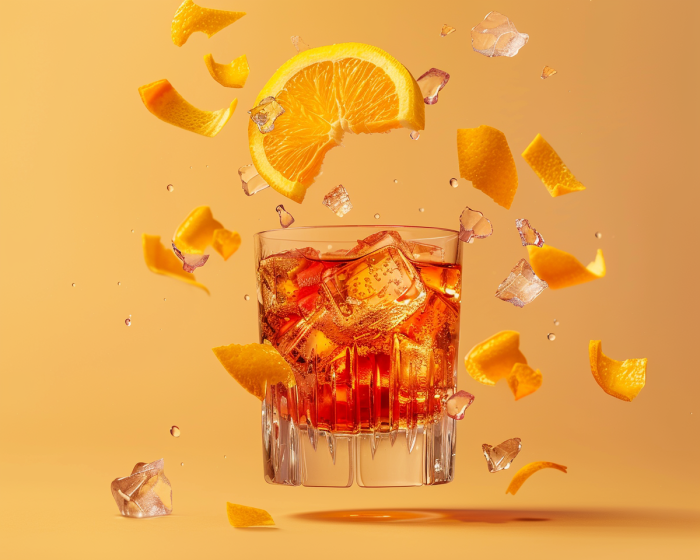
The Negroni is a bold, bitter, and balanced cocktail made from equal parts gin, Campari, and sweet vermouth. Its taste is characterized by a complex interplay of sweet and bitter flavors, with the gin adding a touch of dryness. It’s a cocktail for the adventurous, ready to explore a unique flavor profile.
Old Fashioned
Old Fashioned is a timeless cocktail that features bourbon or rye whiskey, sugar, and Angostura bitters. Its taste is a harmonious blend of sweet and bitter, with the whiskey adding a warm and robust character. It’s a cocktail that speaks of tradition and craftsmanship, ideal for those who appreciate a well-made drink.
Manhattan
The Manhattan is a sophisticated cocktail made from whiskey, sweet vermouth, and Angostura bitters. Its taste profile is a delightful balance of sweet and bitter, with the whiskey adding a full-bodied richness. It’s a cocktail that exudes elegance and refinement, perfect for those who enjoy a classy drink.
Gimlet
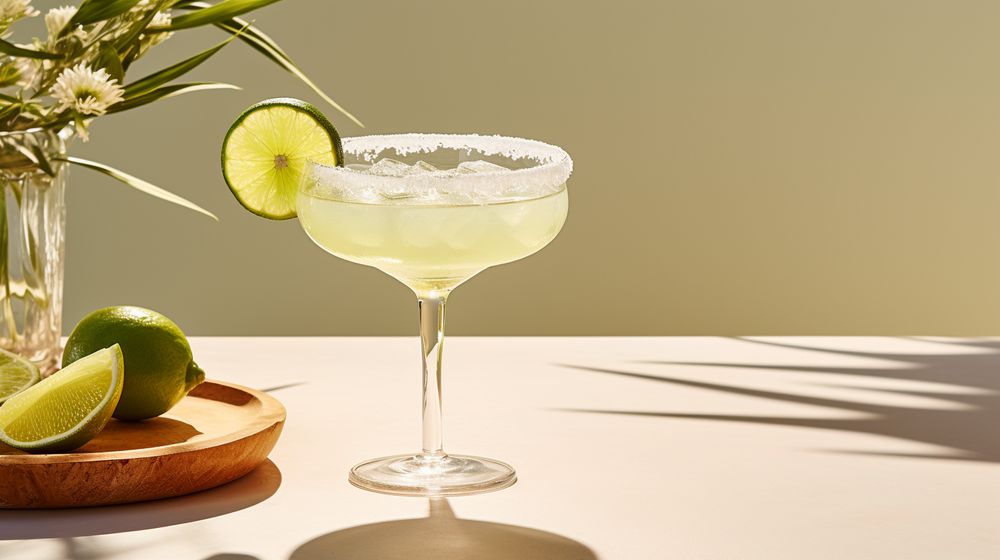
The Gimlet is a refreshing cocktail made from gin and lime juice. Its taste is predominantly tart and tangy, with the gin adding a dry and botanical nuance. It’s a cocktail that’s vibrant and invigorating, ideal for those who love a zesty kick in their drink.
Sidecar
The Sidecar is a classic cocktail made from cognac, orange liqueur, and lemon juice. Its taste profile is a harmonious blend of sweet and sour, with the cognac adding a rich and warming depth. It’s a cocktail that’s both lively and luxurious, perfect for those who enjoy a balance of flavors.
Sazerac
The Sazerac is a traditional cocktail made from rye whiskey, sugar, Peychaud’s bitters, and absinthe. Its taste is a complex mix of sweet, bitter, and spicy, with the rye whiskey adding a robust character. It’s a cocktail that’s full of heritage and complexity, ideal for those who appreciate a drink with a story.
Rob Roy
The Rob Roy is a distinguished cocktail made from Scotch whisky, sweet vermouth, and Angostura bitters. Its taste profile is a balance of sweet and bitter, with the Scotch whisky adding a smoky and full-bodied richness. It’s a cocktail that’s both bold and balanced, perfect for those who enjoy a drink with character.
Vesper
The Vesper is an iconic cocktail made from gin, vodka, and Lillet Blanc. Its taste is predominantly dry and crisp, with a subtle sweetness from the Lillet Blanc. It’s a cocktail that’s sleek and stylish, ideal for those who enjoy a drink that’s both modern and classic.
Dry Daiquiri
The Dry Daiquiri is a refreshing cocktail made from rum, lime juice, and sugar. Its taste is a delightful blend of tart and sweet, with the rum adding a smooth and warming depth. It’s a cocktail that’s both vibrant and smooth, perfect for those who enjoy a drink with a tropical twist.
Dry Cocktails Flavor Profile
When it comes to the world of cocktails, the flavor profiles can range from sweet to sour, bitter to spicy, and everything in between. But what about dry cocktails? These beverages offer a unique flavor experience that is both sophisticated and refreshing.
Basic Tastes of Dry Cocktails
Dry cocktails are characterized by their lack of sweetness. They often have a crisp, clean taste that can be either subtly complex or strikingly bold. Some of the basic tastes that you might experience in a dry cocktail include:
- Bitterness: This is often derived from ingredients like vermouth or bitters.
- Sourness: Citrus fruits like lemon or lime can lend a sour note to dry cocktails.
- Saltiness: While not as common, some dry cocktails may have a slight salty undertone.
Highlighting and Balancing Flavor Elements
Creating a well-balanced dry cocktail is all about understanding the interplay of flavors. For instance, the bitterness of vermouth can be balanced with the sourness of citrus to create a cocktail that is dry yet flavorful. Similarly, the addition of a salty ingredient can help to highlight the other flavors in the drink.
Complementary Ingredients
There are many ingredients that can complement the flavors of a dry cocktail. For example, botanicals like juniper can add a layer of complexity, while garnishes like olives or a twist of lemon peel can provide a hint of freshness. Other complementary ingredients might include herbs, spices, or even certain types of fruit.
💡 Remember, the key to enjoying a dry cocktail is to savor the complexity of flavors rather than expecting a sweet sensation. It’s all about appreciating the subtleties!
Unveiling the Magic of Base Spirits in Dry Cocktails
Understanding the role of base spirits in dry cocktails is key to mastering the art of mixology. These spirits, which form the backbone of any cocktail, interact with other ingredients to create a symphony of flavors that are both complex and delightful.
Most Commonly Used Base Spirits in Cocktails
- Gin: Known for its botanical flavors, it’s a staple in many dry cocktails.
- Vodka: Its neutral flavor makes it a versatile base spirit.
- Rum: Adds a sweet and tropical touch to cocktails.
- Whiskey: Brings a robust and smoky flavor to the mix.
How Base Spirits Affect the Flavor of Dry Cocktails
The choice of base spirit significantly influences the overall flavor of dry cocktails. For instance, gin’s botanical notes can add a refreshing twist, while whiskey’s smoky undertones can lend a robust depth to the cocktail.
Substituting Base Spirits in Dry Cocktail Recipes
While you can substitute one base spirit for another, it’s important to remember that this will alter the cocktail’s flavor profile. For instance, swapping gin for vodka in a dry martini will result in a less botanical and more neutral flavor.
Notable Brands for Dry Cocktails
| Base Spirit | Preferred Brand |
|---|---|
| Gin | Tanqueray |
| Vodka | Absolut |
| Rum | Bacardi |
| Whiskey | Jameson |
Dry Cocktails That Showcase the Base Spirit
- Dry Martini: A classic cocktail that highlights the botanical flavors of gin.
- Rum Old Fashioned: A twist on the classic Old Fashioned, this cocktail lets the rum shine.
- Vodka Soda: A minimalist cocktail that showcases vodka’s neutral flavor.
💡 Remember, the key to a great dry cocktail is balance. The base spirit should complement, not overpower, the other ingredients. So, experiment with different spirits and find your perfect mix!
Dry Cocktails Ingredients: A Comprehensive Guide
When it comes to crafting the perfect dry cocktail, the ingredients you choose can make all the difference. Let’s delve into the nuances of spirits, mixers, sweeteners, and garnishes that contribute to the unique character of dry cocktails.
The Impact of Spirits on Dry Cocktails
Spirits are the backbone of any cocktail, and in dry cocktails, their role is even more prominent. Whether it’s the smoothness of vodka, the richness of whiskey, or the botanical notes of gin, each spirit adds a distinctive flavor profile to the cocktail. For instance, a dry martini made with gin will have a more herbal and earthy character compared to one made with vodka.
Contribution of Specific Ingredients to Dry Cocktails
In dry cocktails, every ingredient counts. The choice of vermouth can significantly influence the cocktail’s flavor, with dry vermouth imparting a lighter, crisp taste. The inclusion of bitters, while optional, can add complexity and balance to the drink. Even the garnish, such as a lemon twist or olive, can subtly alter the cocktail’s overall flavor and aroma.
Choosing High-Quality Mixers
While spirits may be the star of the show, mixers play a crucial supporting role in dry cocktails. High-quality mixers, such as premium tonic water or artisanal soda, can enhance the flavor of the spirits without overpowering them. When choosing mixers, look for ones with natural ingredients and avoid those with artificial sweeteners or flavors.
Role of Fresh Ingredients in Dry Cocktails
Fresh fruits, herbs, and vegetables can add a burst of flavor, aroma, and visual appeal to dry cocktails. For example, a sprig of fresh rosemary or a slice of cucumber can transform a simple gin and tonic into a refreshing and aromatic beverage.
Impact of Sweeteners on Flavor and Texture
While dry cocktails are known for their lack of sweetness, a touch of sweetener can help balance the flavors. The type of sweetener used, from simple syrup to agave nectar, can affect the cocktail’s flavor and texture. For instance, brown sugar syrup can add a rich, caramel-like sweetness to whiskey-based cocktails.
Adding Complexity with Bitters, Liqueurs, and Other Flavor Enhancers
Bitters and liqueurs can add depth and complexity to dry cocktails. A dash of orange bitters can brighten up a dry martini, while a splash of elderflower liqueur can add a floral note to a gin and tonic.
Sourcing and Preparing Ingredients for Dry Cocktails
When it comes to dry cocktails, quality ingredients are key. Look for fresh, organic fruits and herbs, premium spirits, and natural mixers. For unique or exotic ingredients, such as elderflower liqueur or absinthe, check your local liquor store or online retailers.
The Role of Garnishes in Dry Cocktails
Garnishes serve both a functional and aesthetic role in dry cocktails. They can enhance the cocktail’s flavor and aroma, as well as add a touch of elegance. Common garnishes for dry cocktails include lemon twists, olives, and cocktail onions.
💡 Remember, the key to a great dry cocktail is balance. Each ingredient should complement the others, creating a harmonious blend of flavors that is more than the sum of its parts.
Dry Cocktails Seasonal Tips
As the seasons change, so do our cocktail preferences. Dry cocktails, known for their crisp, refreshing taste, are a fantastic choice for any season. Let’s dive into the best occasions and many seasonal options for dry cocktails.
Winter Warmers
Winter calls for cocktails that warm you from the inside out. Opt for a Dry Martini, a classic cocktail that’s perfect for sipping by the fire. Use a crisp, dry gin to cut through the winter chill.
Spring Sippers
As the weather starts to warm up, a dry cocktail like a Gimlet is the perfect choice. This cocktail, made with dry gin and lime juice, is refreshing and light, perfect for those first sunny days of spring.
Summer Coolers
Summer is all about staying cool and hydrated. A dry Daiquiri, made with white rum, lime juice, and a touch of sugar, will keep you refreshed all summer long.
Autumn Tipples
As the leaves start to fall, it’s time to switch to a more warming cocktail. A dry Old Fashioned, with its mix of bourbon and bitters, is the perfect autumnal drink.
| Season | Dry Cocktail |
|---|---|
| Winter | Dry Martini |
| Spring | Gimlet |
| Summer | Dry Daiquiri |
| Autumn | Dry Old Fashioned |
💡 Remember, the key to a great dry cocktail is balance. The alcohol should be prominent, but not overpowering. And always use fresh, quality ingredients for the best results.
Dry Cocktails Food Pairings: A Guide to Enhancing Your Culinary Experience
Pairing food with dry cocktails can elevate your dining experience to a whole new level. Whether you’re a cocktail enthusiast or a newbie, understanding the art of pairing will allow you to enjoy your meals and drinks in a more sophisticated manner.
Why Pair Food with Dry Cocktails?
Pairing food with dry cocktails is not just about mixing and matching. It’s about creating a balance between the flavors of the food and the cocktail. A well-paired meal and cocktail can enhance the overall taste, making your dining experience more enjoyable.
How to Pair Food with Dry Cocktails
Here are some general guidelines to follow when pairing food with dry cocktails:
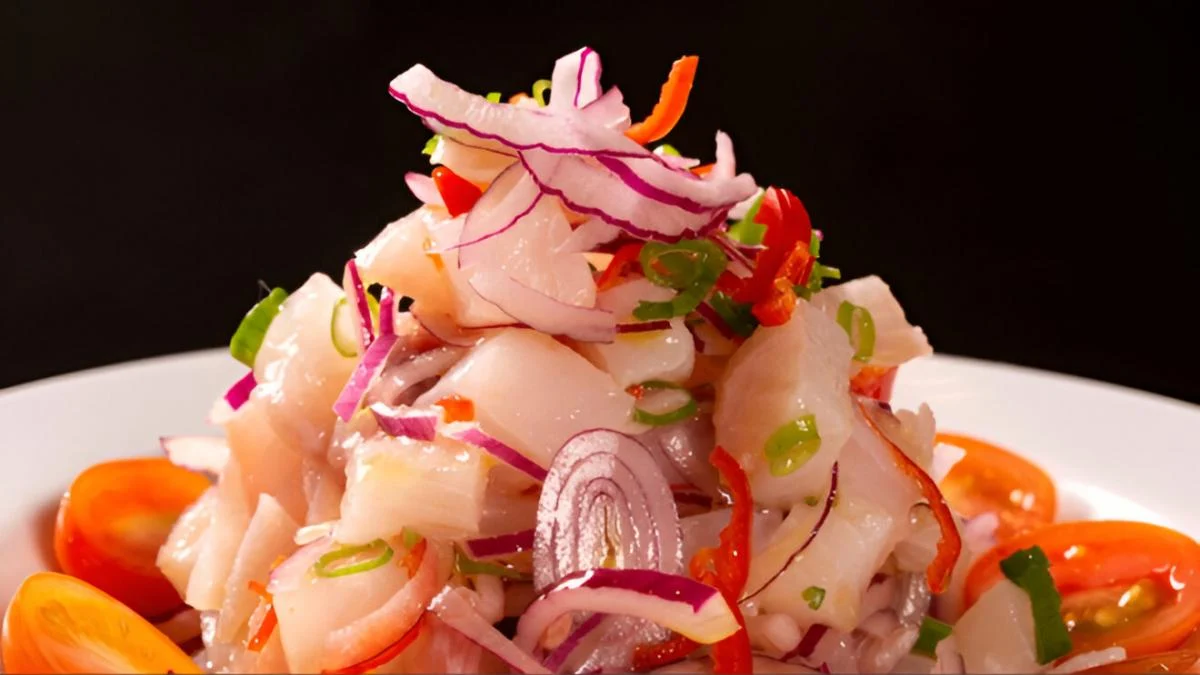
- Complementing Flavors: Try to find a cocktail that complements the flavor of the food. For example, a dry martini pairs well with seafood because the crispness of the cocktail complements the delicate flavors of the seafood.
- Contrasting Flavors: Sometimes, contrasting flavors can create an exciting pairing. For example, a dry gin and tonic can cut through the richness of a creamy pasta dish, providing a refreshing contrast.
Examples of Food and Dry Cocktail Pairings
| Food | Dry Cocktail |
|---|---|
| Seafood | Dry Martini |
| Creamy Pasta | Dry Gin and Tonic |
Remember, the best pairing is often based on personal preference, so don’t be afraid to experiment and find what works best for you.
💡 While dry cocktails are typically high in alcohol content, their lack of sweetness allows them to pair well with a variety of foods, from rich and creamy dishes to light and delicate seafood. So, next time you’re planning a meal, consider adding a dry cocktail to the mix for an enhanced culinary experience.
Dry Cocktails: Frequently Asked Questions
What are Dry Cocktails?
Dry cocktails are those that contain little to no sugar. They are typically made with spirits such as gin, vodka, or whiskey, and mixed with dry vermouth or other non-sweet mixers. Dry cocktails are known for their crisp and clean flavors.
What Ingredients are Commonly Used in Dry Cocktails?
Common ingredients in dry cocktails include spirits like gin, vodka, and whiskey. Dry vermouth is a popular mixer, as are bitters and citrus peels. You may also find ingredients like olives or onions, which are used as garnish in certain cocktails like the Martini or Gibson.
What Alcohol Brands are Suitable for Dry Cocktails?
There are many alcohol brands suitable for dry cocktails. For gin, consider brands like Tanqueray or Bombay Sapphire. For vodka, brands like Absolut and Grey Goose are popular. For whiskey, consider brands like Jameson or Maker’s Mark.
What Barware is Needed to Make Dry Cocktails?
Basic barware for making dry cocktails includes a cocktail shaker, a strainer, a bar spoon, and a jigger for measuring. A cocktail glass, such as a martini glass, is also essential.
What Glassware is Suitable for Serving Dry Cocktails?
Dry cocktails are typically served in a cocktail or martini glass. However, the type of glass can vary depending on the specific cocktail. For example, a Gibson is often served in a coupe glass.
What Food Pairings Work Well with Dry Cocktails?
Dry cocktails pair well with a variety of foods. They are particularly good with salty snacks, seafood, and cheeses. The crisp flavors of the cocktail complement these foods well.
How are Dry Cocktails Presented Visually?
Dry cocktails are often presented in a clear glass to showcase their clarity and simplicity. They may be garnished with a twist of citrus peel, an olive, or a cocktail onion.
How Can I Customize a Dry Cocktail?
Dry cocktails can be customized by changing the spirit or the mixer. For example, you could use bourbon instead of gin in a Martini. You could also add a dash of bitters or a different type of garnish.
What is the Nutritional Information for Dry Cocktails?
The nutritional information for dry cocktails can vary depending on the ingredients used. However, they are typically lower in sugar and calories than sweet cocktails. Always check the labels of your ingredients for specific nutritional information.
What is the Cost of Making a Dry Cocktail?
The cost of making a dry cocktail will depend on the brands of alcohol and mixers you choose. However, they are generally not more expensive to make than other types of cocktails.
What is the Alcohol Content of Dry Cocktails?
The alcohol content of dry cocktails can vary, but they are typically quite strong. This is because they contain a high proportion of spirits and little to no sweet mixers. Always drink responsibly and be aware of the alcohol content of your cocktail.