The Vintage Cocktails
Martini
One of the quintessential vintage cocktails, the Martini is a blend of gin and vermouth. The result is a clear, crisp drink with a strong juniper taste from the gin, balanced by the slightly sweet, herbal notes of the vermouth.
Old Fashioned
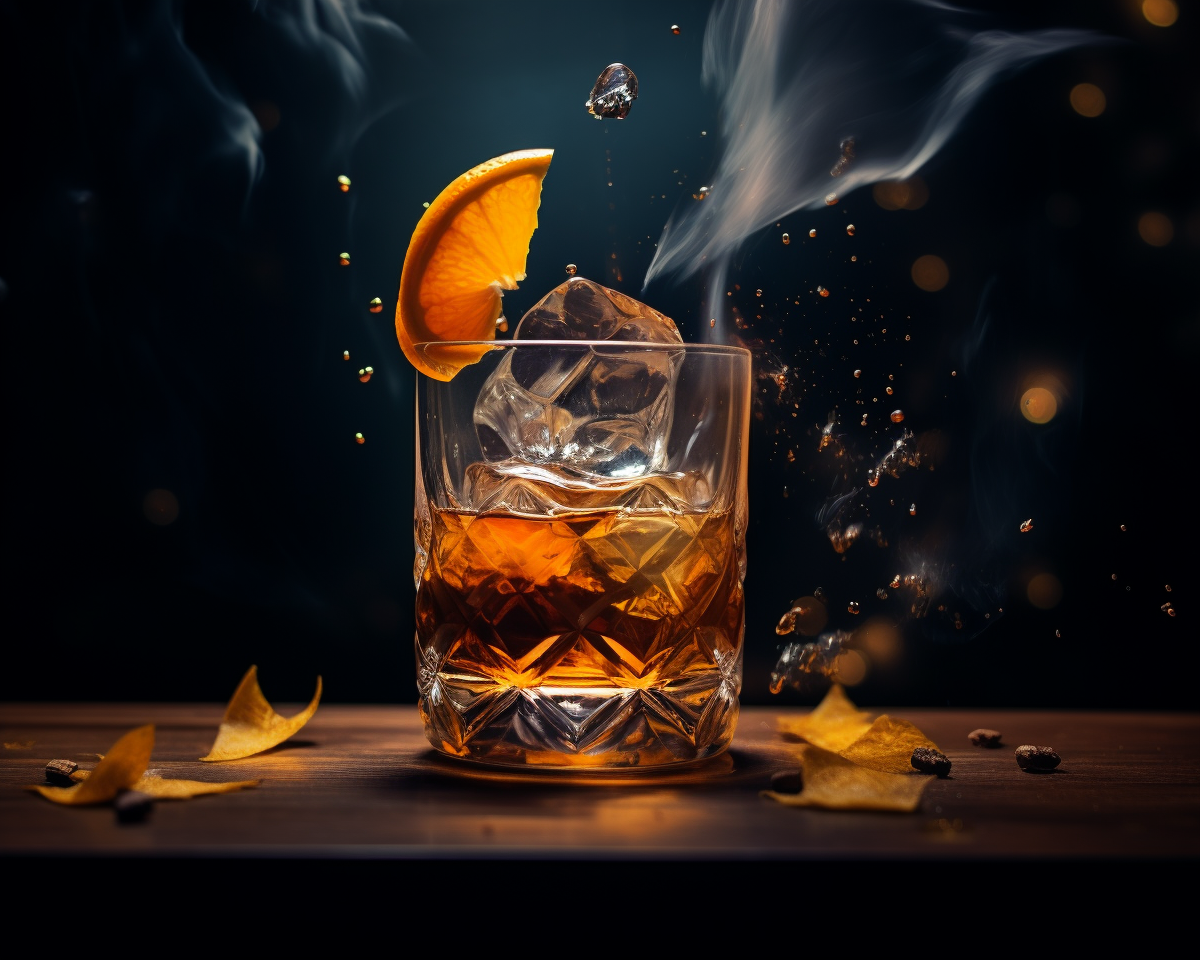
With a base of whiskey, sugar, and bitters, the Old Fashioned is a cocktail with a robust, full-bodied flavor. The sweetness of the sugar complements the strength of the whiskey, while the bitters add a layer of complexity to the taste profile.
Manhattan
The Manhattan is a whiskey-based cocktail that combines the strong, smoky notes of the whiskey with the sweet and slightly bitter taste of vermouth. A dash of Angostura bitters adds a subtle spiciness to this classic cocktail.
Negroni
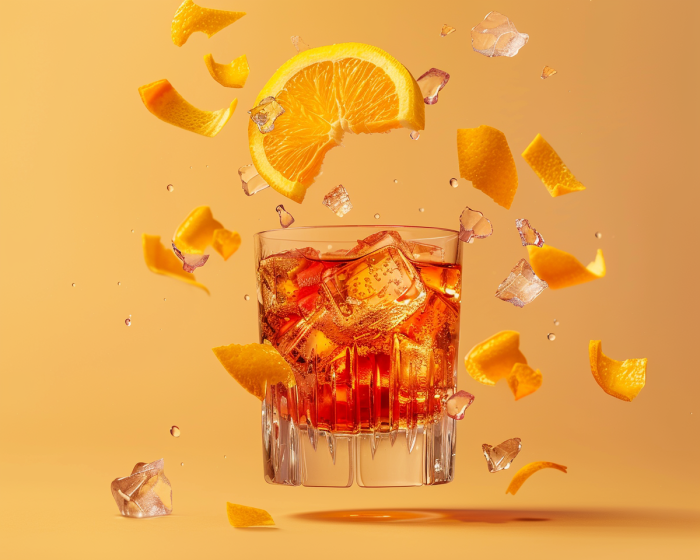
A Negroni is a bitter, yet refreshing cocktail made from equal parts gin, Campari, and sweet vermouth. The gin provides a crisp backdrop, the Campari adds a bitter edge, and the sweet vermouth balances the drink with a touch of sweetness.
Sidecar
The Sidecar is a cocktail that combines the warmth of cognac with the tartness of lemon juice and the sweetness of orange liqueur. The result is a balanced cocktail with a complex flavor profile that is both sweet and sour.
Gimlet
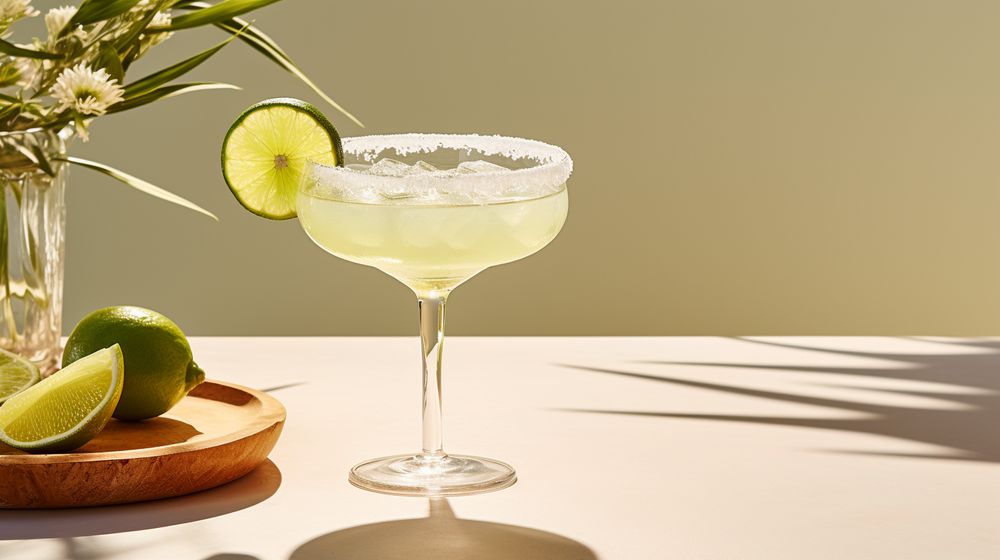
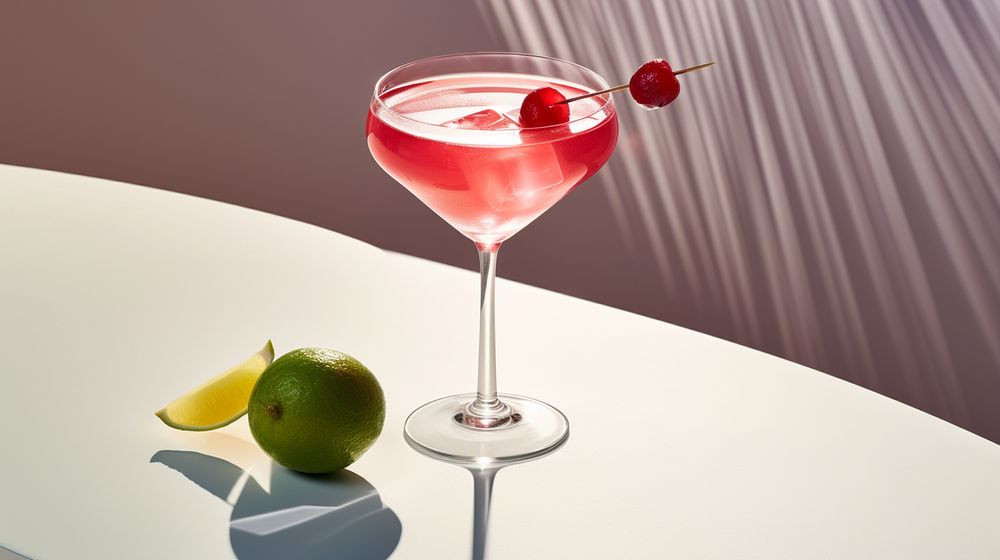
The Gimlet is a simple, yet refreshing cocktail made from gin and lime juice. The gin provides a crisp, juniper-forward base, while the lime juice adds a burst of citrusy tartness, making it a perfect summer cocktail.
Whiskey Sour
A Whiskey Sour is a cocktail that balances the robust flavor of whiskey with the tartness of lemon juice and the sweetness of simple syrup. The result is a cocktail that is both tangy and sweet, with a full-bodied whiskey kick.
French 75
The French 75 is a sparkling cocktail that combines gin, lemon juice, simple syrup, and champagne. The gin and lemon provide a tart, refreshing base, while the champagne adds a bubbly, festive touch.
Sazerac
The Sazerac is a New Orleans classic that combines rye whiskey, absinthe, sugar, and Peychaud’s bitters. The rye whiskey provides a robust base, the absinthe adds a hint of anise, and the bitters give a subtle spiciness to this complex cocktail.
Tom Collins
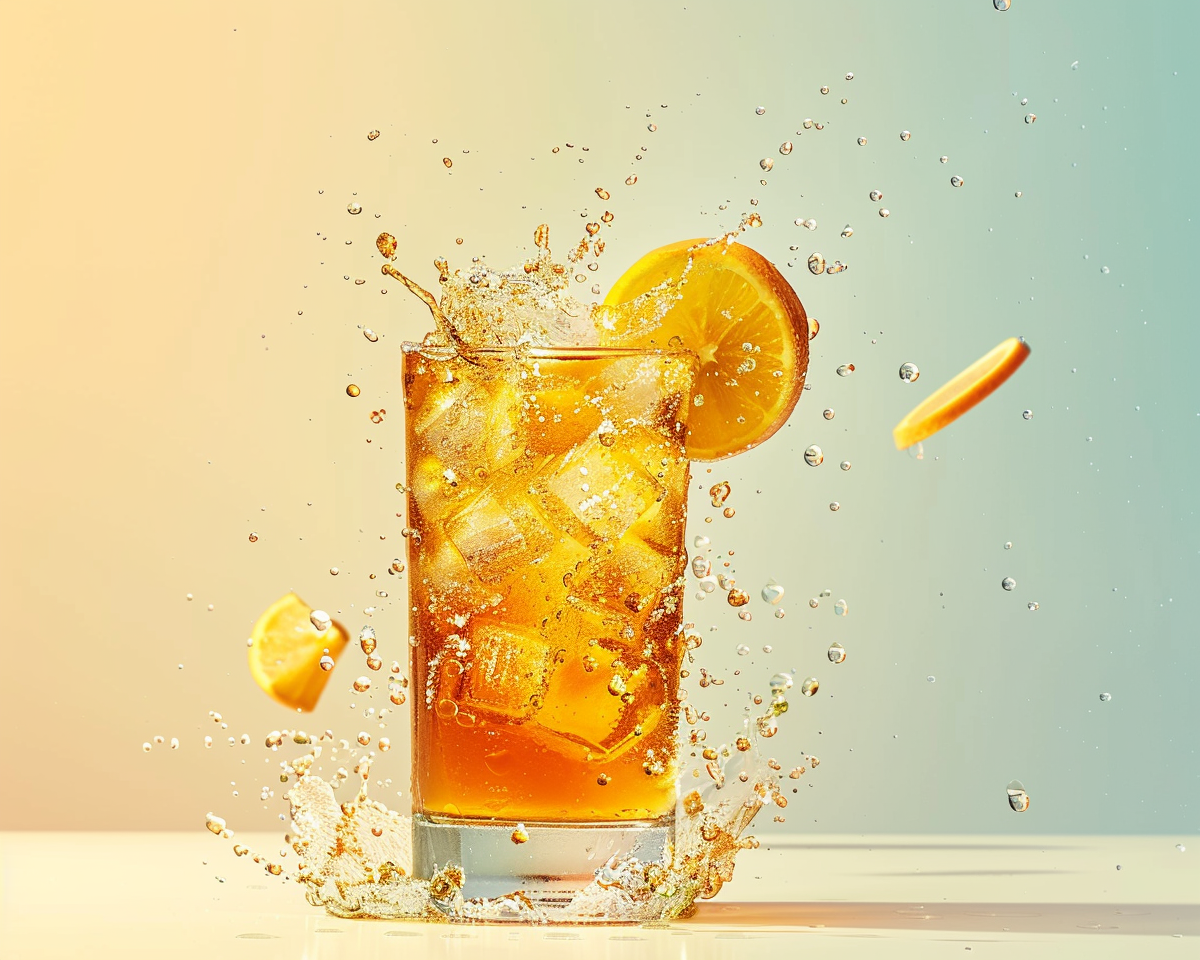
The Tom Collins is a refreshing, citrusy cocktail made from gin, lemon juice, simple syrup, and soda water. The gin provides a crisp base, the lemon adds a tart edge, and the soda water gives it a refreshing fizz.
Vintage Cocktails Flavor Profile
Unveiling the world of vintage cocktails, one sip at a time. Let’s dive into the distinct flavor categories that make these timeless classics an unforgettable experience.
Basic Tastes of Vintage Cocktails
Every vintage cocktail tells a story, and that story is often told through its basic tastes. Here are the key players:
- Sweet: Often derived from sugar, honey, or fruits, sweetness balances the bitterness and acidity in cocktails.
- Sour: Citrus fruits like lemon and lime bring a tangy punch, adding freshness and vibrancy.
- Bitter: Ingredients like bitters, vermouth, and certain spirits contribute to a complex, mature flavor profile.
- Salty: Though less common, a hint of salt can enhance other flavors and add a unique twist.
Highlighting and Balancing Flavors
The art of mixology lies in the balance. A perfectly crafted vintage cocktail is a symphony of flavors, where no single taste overpowers the others. Here’s how it’s done:
By adjusting the proportions of ingredients, mixologists can emphasize certain flavors or create a harmonious blend. For instance, adding more sweet components can mellow the bitterness, while a dash of extra citrus can cut through the sweetness.
Complementary Ingredients
Additional flavors in vintage cocktails often come from complementary ingredients. These can range from spices and herbs to flavored syrups and liqueurs. Some common ones include:
| Ingredient | Flavor |
|---|---|
| Mint | Fresh, cool |
| Angostura bitters | Bitter, herbal |
| Cherry Heering | Sweet, fruity |
💡 Remember, the beauty of vintage cocktails lies in their complexity. Each sip is a journey through layers of flavors, crafted with precision and passion. That’s the magic of mixology.
Vintage Cocktails and Their Base Spirits
Base spirits are the backbone of any cocktail, providing the primary flavor and alcohol content. In vintage cocktails, these spirits interact uniquely with other ingredients, shaping the overall taste and character of the drink.
Most Commonly Used Base Spirits in Cocktails
Classic cocktails often feature a diverse range of base spirits. Here are some of the most prevalent:
- Whiskey
- Rum
- Gin
- Vodka
- Tequila
How Base Spirits Affect the Flavor of Vintage Cocktails
Each base spirit carries its own distinct flavor profile, influencing the overall taste of a vintage cocktail. Whiskey, for example, can impart a smoky or sweet note, while gin offers a crisp, botanical edge. Rum can be light or dark, adding sweetness or depth, and vodka provides a clean slate for other flavors to shine.
Substituting Base Spirits in Vintage Cocktail Recipes
While it’s possible to substitute one base spirit for another, this will significantly alter the cocktail’s taste and character. For instance, replacing gin with vodka in a Martini would yield a Vodka Martini, a much milder drink with less botanical complexity.
Preferred Brands for Vintage Cocktails
There are several notable brands that stand out when crafting vintage cocktails:
| Base Spirit | Preferred Brand |
|---|---|
| Whiskey | Jameson |
| Rum | Bacardi |
| Gin | Tanqueray |
| Vodka | Absolut |
| Tequila | Patron |
Vintage Cocktails Showcasing the Base Spirit
Some vintage cocktails are designed to highlight the base spirit, such as the Old Fashioned (whiskey), Daiquiri (rum), and Dry Martini (gin).
💡 The art of mixology is all about balance. While it’s essential to understand the role of base spirits, remember that every ingredient in a vintage cocktail contributes to the final flavor profile. Experimentation is key to finding your perfect blend.
Vintage Cocktails: A Deep Dive into Ingredients
Unravel the mystery behind the captivating world of vintage cocktails. Let’s explore the myriad of ingredients that give these timeless concoctions their distinctive character and charm.
The Role of Spirits in Vintage Cocktails
From gin to rum, bourbon to tequila, the choice of spirit lays the foundation for a cocktail’s character. Each spirit carries its unique flavor profile, heavily influencing the cocktail’s final taste. For instance, gin, with its botanical notes, gives a vintage cocktail a refreshing and complex character.
Contribution of Specific Ingredients to Flavor
Many vintage cocktails are known for their unique ingredients. Vermouth, for instance, adds a sweet or dry note, while absinthe contributes a rich, anise flavor. These ingredients work in harmony to create the distinctive flavor profile of vintage cocktails.
Guidelines for Choosing High-Quality Mixers
Quality mixers can elevate a cocktail from good to great. Always opt for fresh, natural mixers over processed ones. For vintage cocktails, club soda, tonic water, or even freshly squeezed citrus juices are commonly used to enhance flavors.
The Impact of Fresh Ingredients
Fresh fruits, herbs, and vegetables can significantly enhance a cocktail’s flavor, aroma, and visual appeal. For vintage cocktails, ingredients like fresh mint, citrus fruits, and even certain vegetables like cucumber can add a refreshing twist.
Sweeteners and Their Effect on Flavor and Texture
The choice of sweetener can greatly affect a cocktail’s flavor and texture. From simple syrup to exotic alternatives like agave nectar, each brings a unique sweetness and texture to vintage cocktails. For instance, honey adds a rich, smooth sweetness that is hard to replicate.
Adding Complexity with Bitters, Liqueurs, and Other Ingredients
Bitters and liqueurs can add layers of complexity to vintage cocktails. They balance the sweetness and provide a depth of flavor. Classic choices include Angostura bitters and orange liqueurs.
Sourcing and Preparing Vintage Cocktail Ingredients
While many ingredients can be found at your local supermarket, some unique or exotic ingredients might require a bit of hunting. For instance, Chartreuse, a French liqueur used in many vintage cocktails, might need to be sourced from a specialty liquor store.
The Role of Garnishes in Vintage Cocktails
Garnishes serve both functional and aesthetic roles in vintage cocktails. From a slice of citrus to a sprig of mint, garnishes add a final touch of flavor and visual appeal to the drink.
💡 Remember, the magic of vintage cocktails lies in the balance of flavors. Each ingredient, no matter how small, plays a crucial role in creating the perfect sip.
Vintage Cocktails Seasonal Tips
As a cocktail enthusiast or newbie, understanding the best occasions and seasonal options for vintage cocktails can elevate your mixology game. Let’s dive into this captivating world of vintage cocktails and their seasonal variations.
Winter: Warm and Spicy
Winter calls for cocktails that warm the soul. Think of drinks like the Hot Toddy or a classic Whiskey Sour, with their strong, spicy flavors and warming spirits.
Spring: Fresh and Floral
Spring is the perfect season for cocktails with a floral and fresh twist. A Lavender Gin Fizz or a Rosemary Infused Vodka Lemonade can be the perfect companions to celebrate the blooming season.
Summer: Cool and Fruity
Summer days are best paired with cool, fruity cocktails. Vintage cocktails like the Daiquiri or a Pimm’s Cup, with their refreshing and fruity flavors, are perfect for a hot summer day.
Autumn: Rich and Earthy
Autumn brings a palette of rich, earthy flavors. Vintage cocktails like the Old Fashioned or a classic Negroni, with their depth and complexity, are perfect for the changing season.
| Season | Recommended Vintage Cocktail |
|---|---|
| Winter | Hot Toddy, Whiskey Sour |
| Spring | Lavender Gin Fizz, Rosemary Infused Vodka Lemonade |
| Summer | Daiquiri, Pimm’s Cup |
| Autumn | Old Fashioned, Negroni |
💡 Remember, the beauty of vintage cocktails lies in their versatility. They can be enjoyed year-round, and their recipes can be tweaked according to the season and your personal preference. So, don’t be afraid to experiment and find your own perfect mix.
Vintage Cocktails Food Pairings: A Journey Through Time
Take a step back in time and explore the world of vintage cocktails. These classic concoctions not only tantalize your taste buds but also pair beautifully with a variety of foods. Here’s how to create the perfect pairing:
The Classic Martini and Oysters
The crisp, clean flavor of a classic martini, with its gin and dry vermouth, pairs perfectly with the briny, oceanic taste of oysters. This pairing is a nod to the glamour of the 1920s.
Old Fashioned and Steak
An Old Fashioned, with its robust bourbon base and hint of sweetness, is a wonderful accompaniment to a juicy steak. The smoky, charred flavors of the steak echo the rich, complex notes in the cocktail.
Manhattan and Dark Chocolate
The Manhattan, a blend of whiskey, vermouth, and bitters, has a rich, deep flavor that pairs beautifully with dark chocolate. The bitterness of the chocolate enhances the cocktail’s sweet and spicy notes.
When pairing vintage cocktails with food, consider the flavors in both the drink and the dish. Complementary flavors create a harmonious dining experience, while contrasting flavors can provide an exciting culinary adventure.
| Vintage Cocktail | Food Pairing |
|---|---|
| Classic Martini | Oysters |
| Old Fashioned | Steak |
| Manhattan | Dark Chocolate |
💡 Remember, the best food and cocktail pairings are not just about taste but also about the atmosphere they create. A vintage cocktail can transport you to a different era, and the right food pairing can enhance that journey.
Vintage Cocktails: Frequently Asked Questions
What are some popular vintage cocktails?
Some popular vintage cocktails include the Old Fashioned, Martini, Negroni, and Sidecar. These cocktails have remained favorites due to their classic, timeless flavors and the nostalgia they evoke.
What ingredients are commonly used in vintage cocktails?
Vintage cocktails often feature spirits such as gin, whiskey, rum, and brandy. They also frequently incorporate vermouth, bitters, and citrus juices. Some recipes may also call for less common ingredients like absinthe or egg whites.
How do you prepare a vintage cocktail?
The preparation method can vary depending on the specific cocktail. However, most vintage cocktails are either stirred or shaken with ice, then strained into a glass. Some may also require muddling ingredients or using a cocktail shaker.
What brands of alcohol are best for vintage cocktails?
Quality brands of spirits like Tanqueray Gin, Bulleit Bourbon, and Bacardi Rum are often recommended for vintage cocktails. However, the best brand can depend on personal taste and the specific cocktail recipe.
What type of barware is needed to make vintage cocktails?
Essential barware for making vintage cocktails includes a cocktail shaker, strainer, muddler, bar spoon, and jigger for measuring. A variety of glassware, such as coupe glasses, martini glasses, and highball glasses, may also be needed.
What are good food pairings for vintage cocktails?
Vintage cocktails can pair well with a variety of foods. For example, an Old Fashioned might pair well with steak, while a Martini could be served with seafood or salty snacks. The best pairing depends on the flavors in both the cocktail and the food.
How are vintage cocktails usually presented?
Vintage cocktails are often served in specific types of glassware and garnished with items like citrus peels, cherries, or olives. The presentation can add to the overall experience of enjoying a vintage cocktail.
Can vintage cocktails be customized?
Yes, many vintage cocktails can be customized to suit individual tastes. For example, the sweetness, bitterness, or strength of a cocktail can often be adjusted by modifying the proportions of the ingredients.
What is the calorie content of vintage cocktails?
The calorie content of vintage cocktails can vary widely depending on the ingredients. However, many vintage cocktails can be relatively low in calories compared to modern, sugary cocktails. For instance, a classic Martini may have around 150-200 calories.
Are there any common allergens in vintage cocktails?
Some vintage cocktails may contain allergens such as gluten (in certain spirits), egg whites, or nuts (in some liqueurs or garnishes). It’s always best to check the ingredients if you have a food allergy.
How much does it cost to make a vintage cocktail?
The cost to make a vintage cocktail can vary depending on the specific ingredients used. However, many vintage cocktails can be made relatively inexpensively, especially if you stock your home bar with a few versatile spirits.
What is the alcohol content (ABV percentage) of vintage cocktails?
The alcohol content of vintage cocktails can vary, but many are quite strong. For example, a Negroni or Martini might have an ABV of around 20-30%. Always drink responsibly and be aware of the strength of your cocktails.